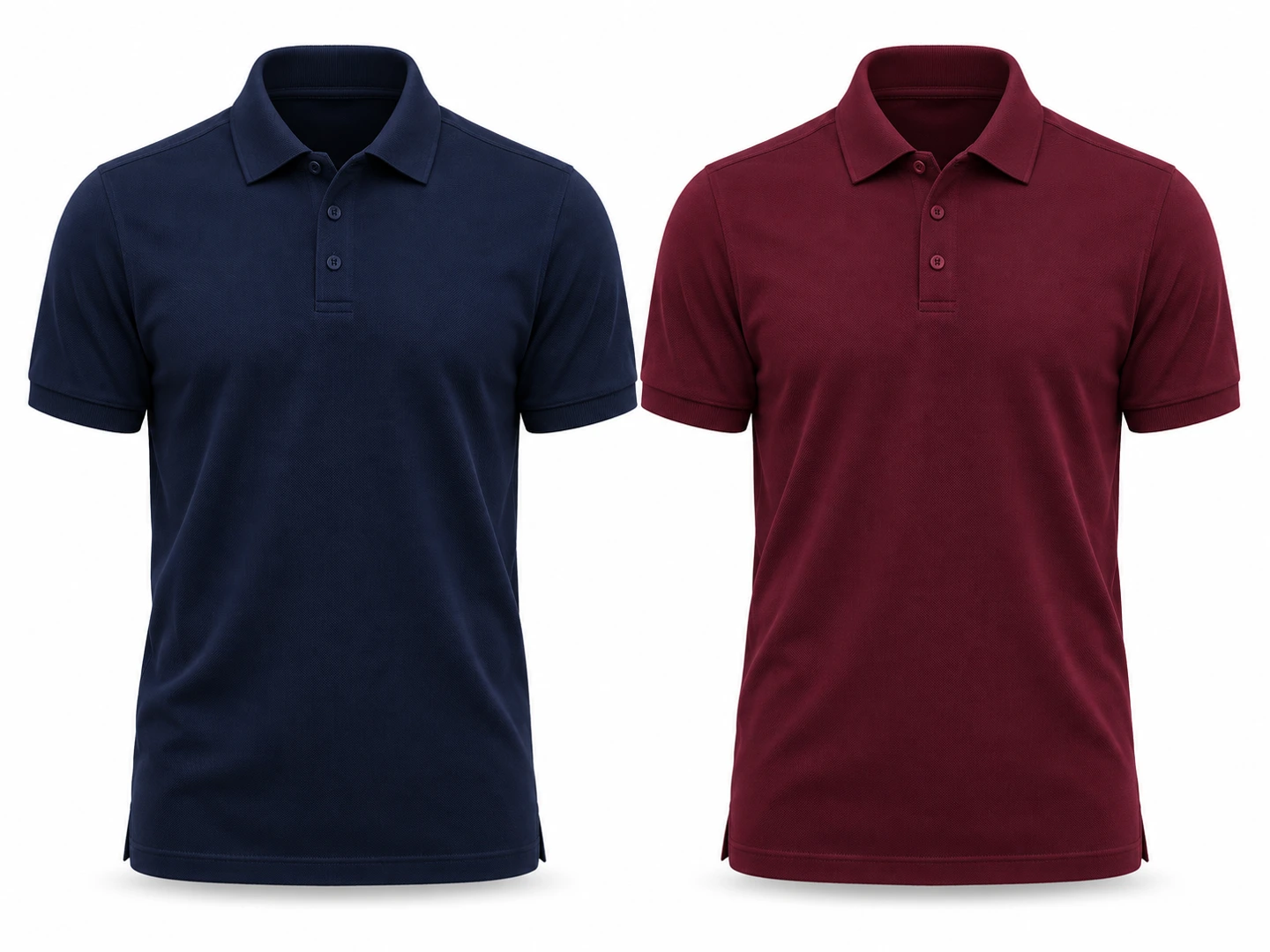
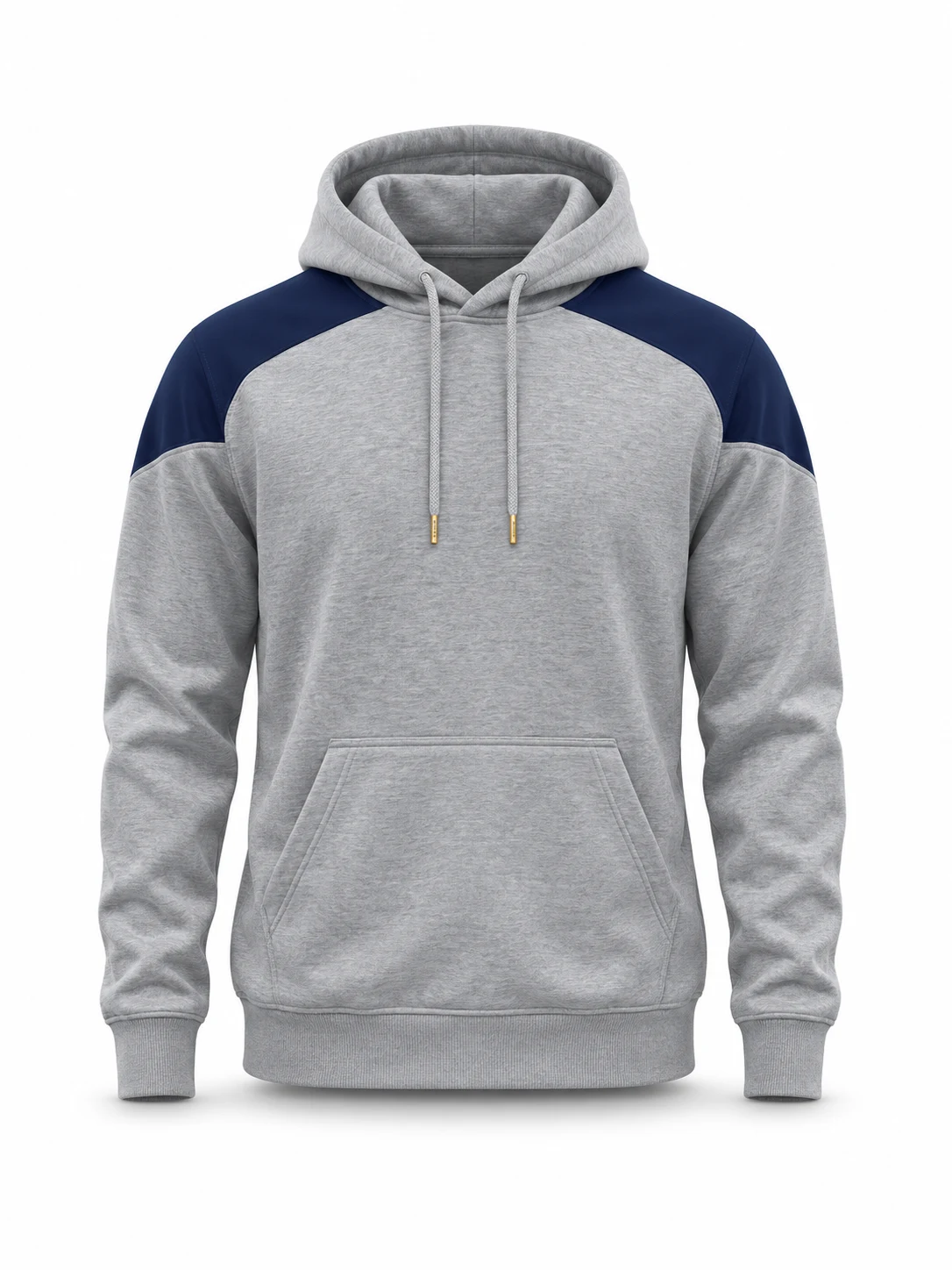
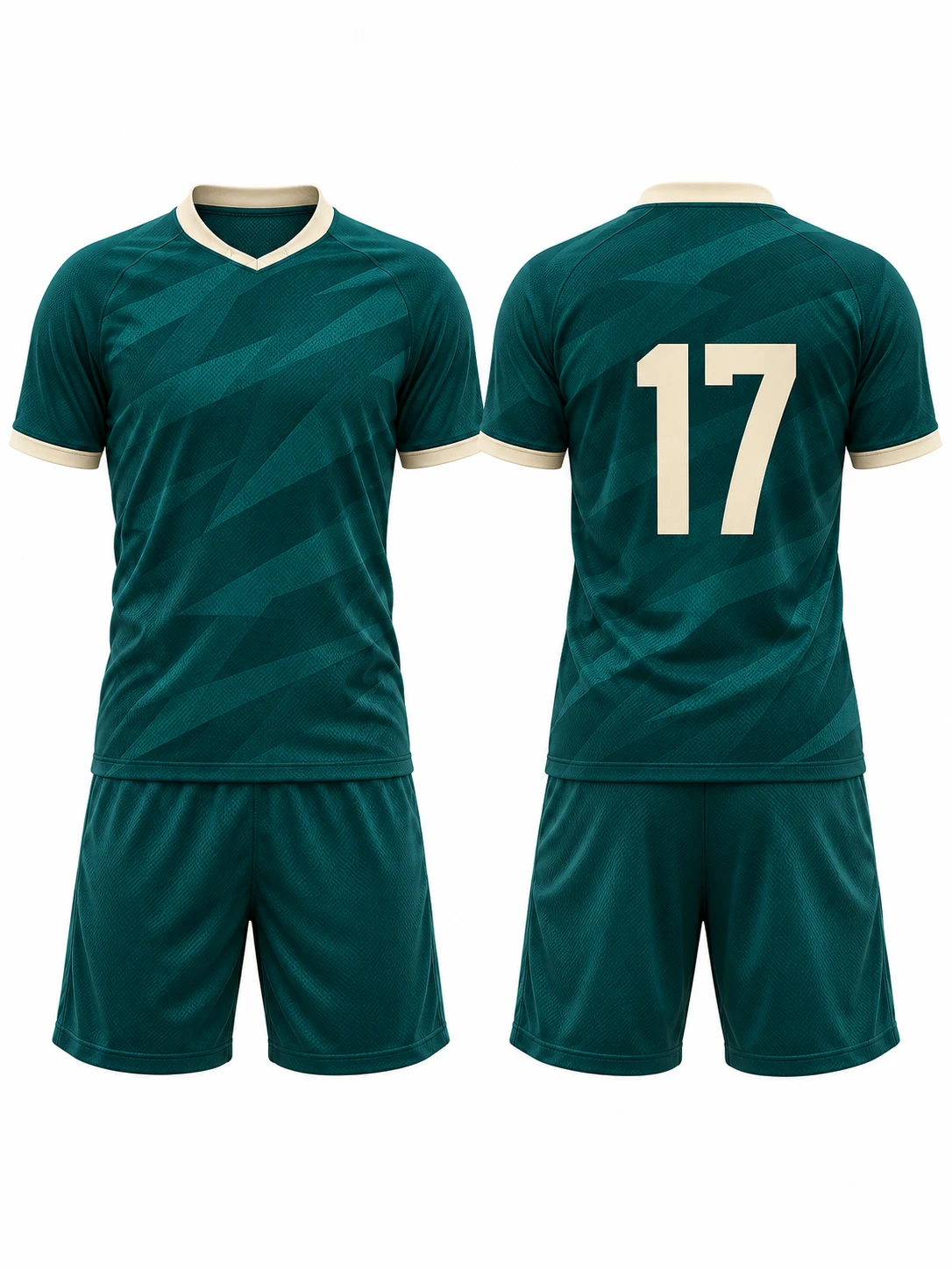
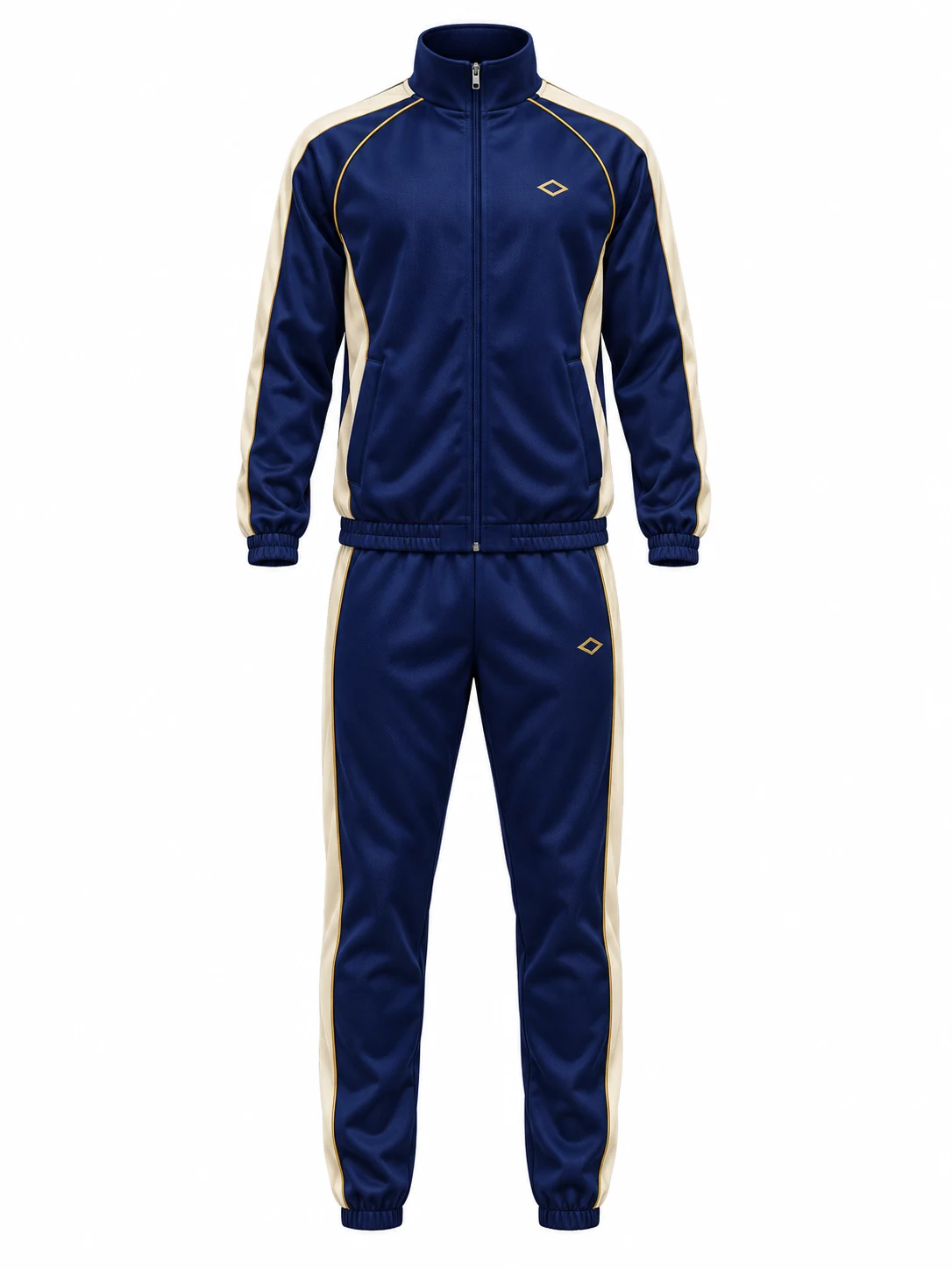
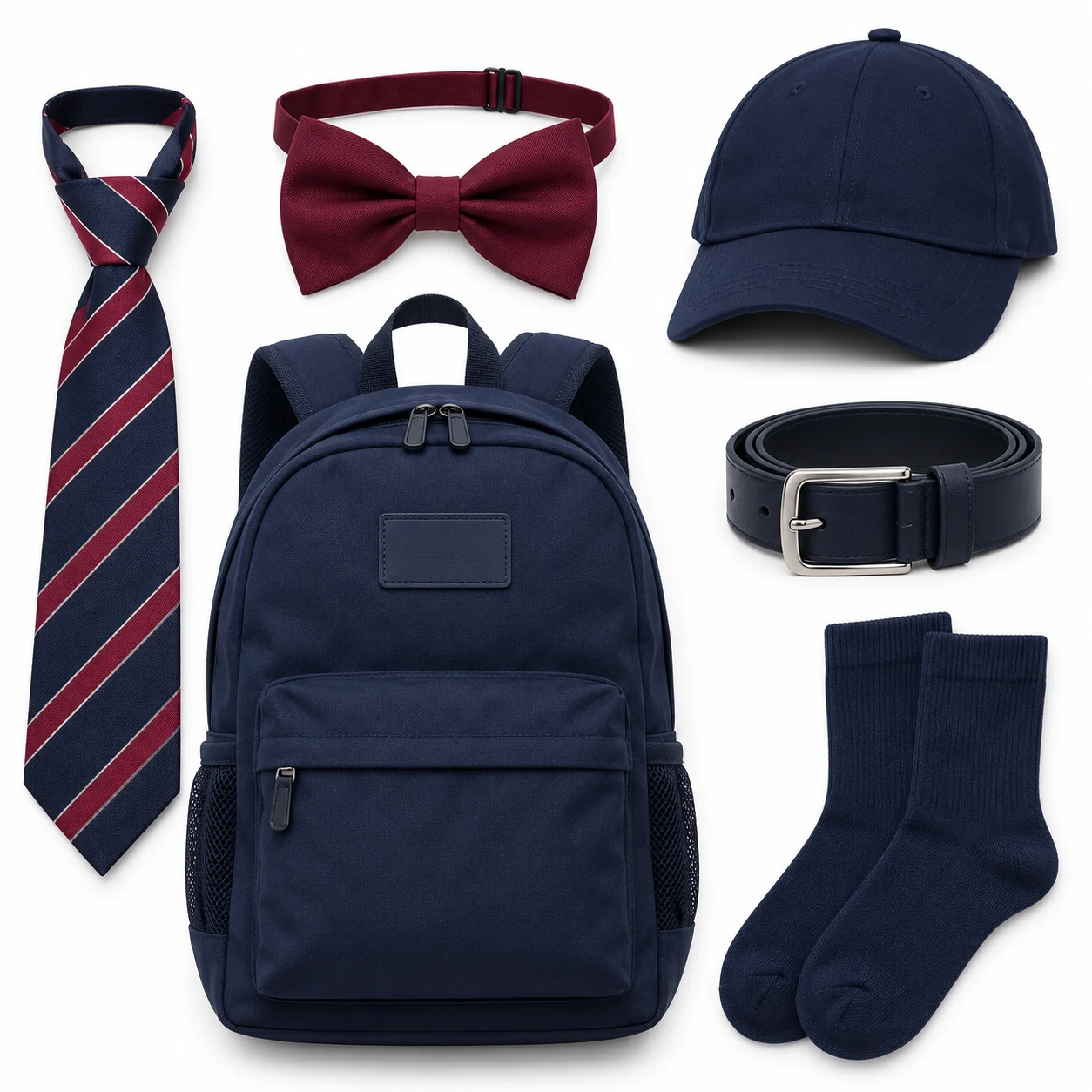
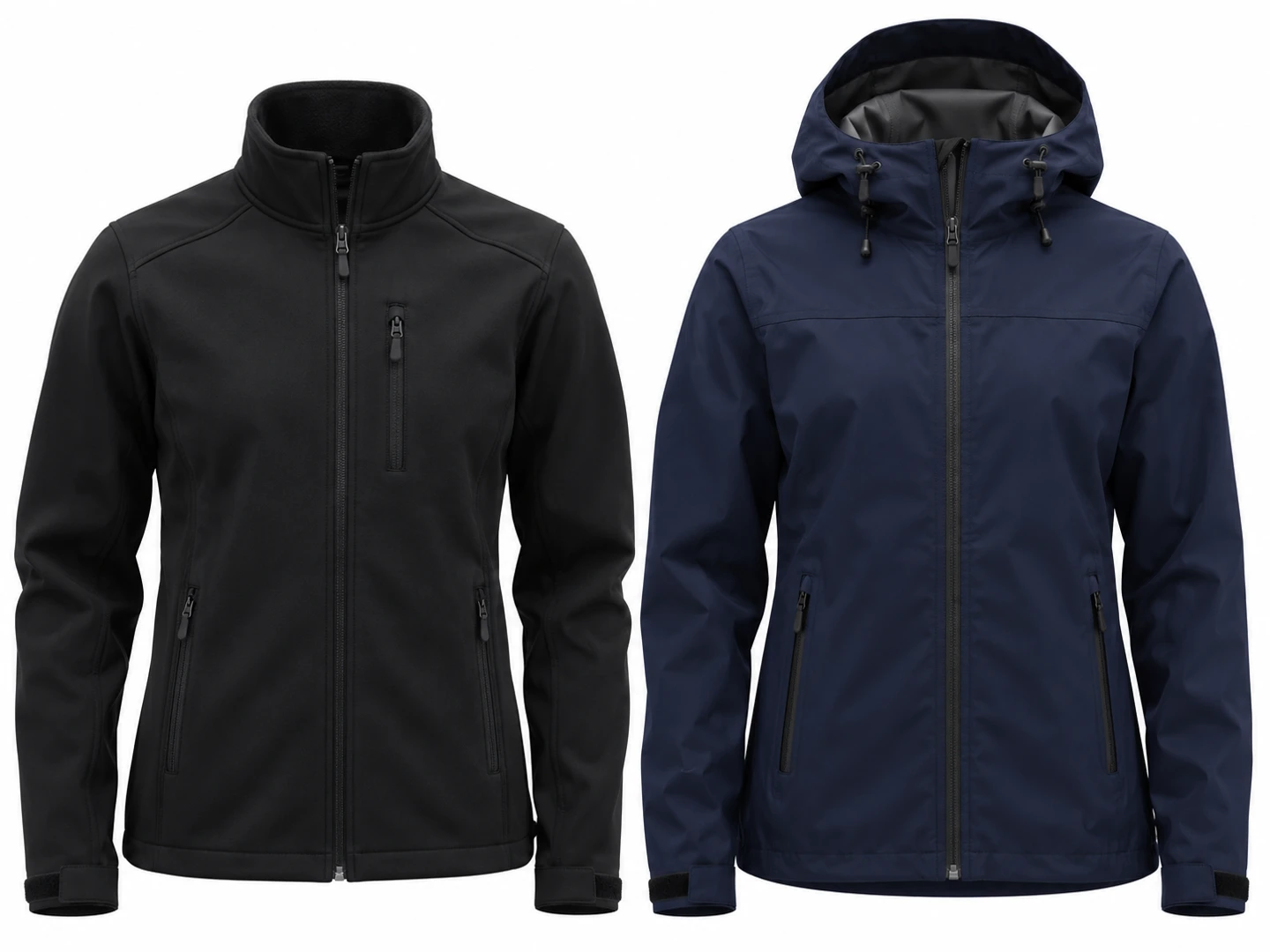
Private-label workwear for DTC brands, uniform distributors and branded merchandise programmes. Develop tees, polos, hoodies, work layers and teamwear with your own fit, labels and packaging. Start at 50 pieces per SKU, approve the sample, then reorder from retained patterns, artwork and material references.
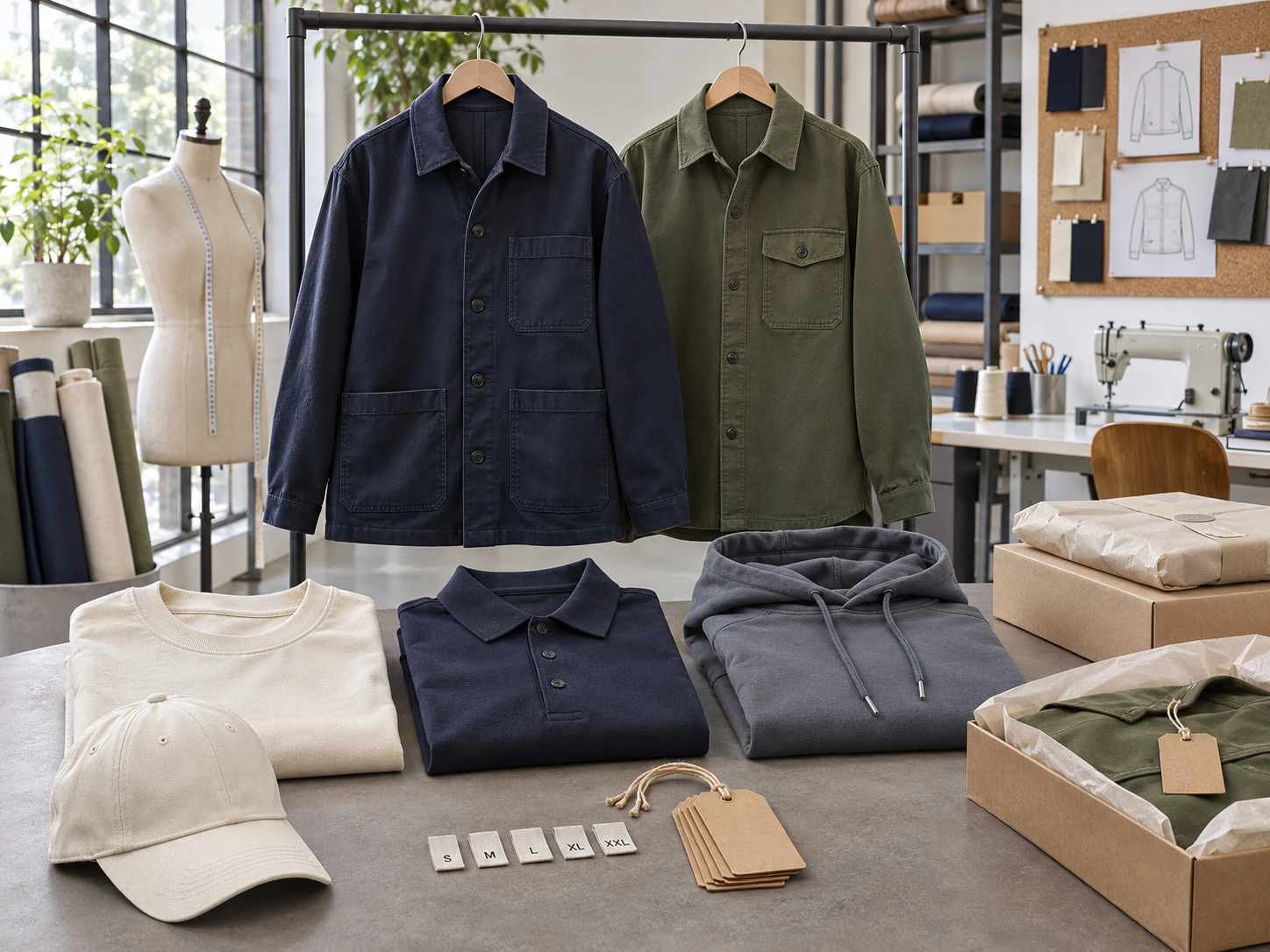
MOQ 50 per SKU · Sampling 5 business days · Factory-direct production · No artwork shared between buyers
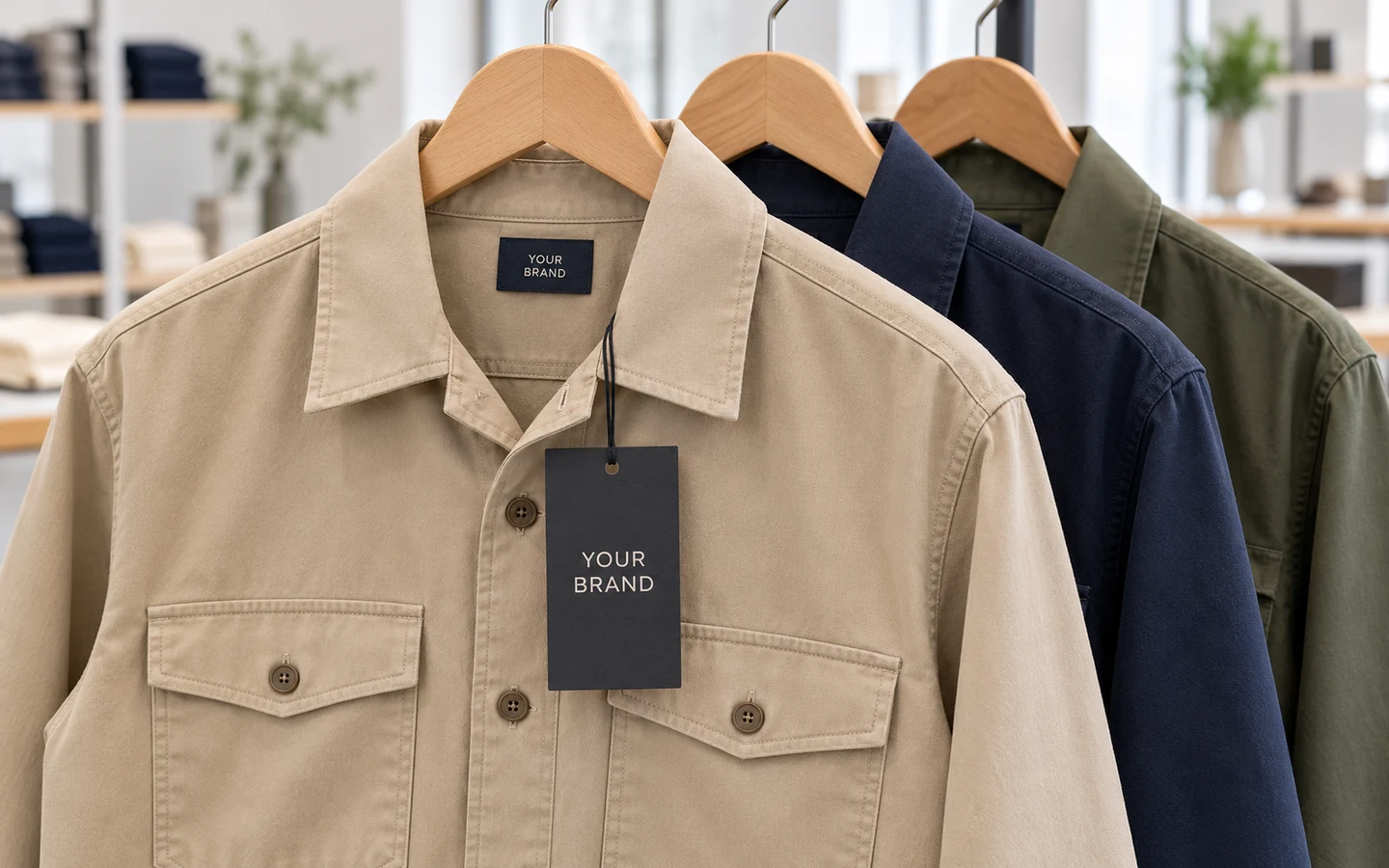
Washedloom connects garment development, fabric sourcing, printing, embroidery, custom labelling and packaging for your private-label product line. Keep the approved colour, fit and branding under one style revision, so a new drop or replenishment order builds on the range you already developed.
Five common launch problems—and the production decisions that help prevent them.
Generic blanks leave your branded merchandise competing on a logo alone.
Little product distinction makes your private-label range easier to replace.
An unapproved size chart produces fit complaints across the collection.
Exchanges tie up stock and reduce confidence in the next purchase.
A single event order has no plan for new starters, seasons or customer demand.
Best-selling sizes run out while slow sizes remain on the shelf.
Patterns, artwork and fabric references are missing when you need to reorder.
Your next drop starts with another development cycle.
Colour, labels and decoration change between suppliers or production runs.
Customers stop recognising a consistent branded product line.
Develop fabric, fit and branding together, so the garment itself supports your label.
Retain approved patterns, artwork and material references under the SKU revision.
Review size-level demand and material availability before your next production run.
Use shared colour, trim and artwork references across styles.
Choose the users and working conditions first. We then match garment construction, materials and branding to the roles your collection serves.
| Product line | Who wears it | What we build | Your branding |
|---|---|---|---|
| Workwear & Industrial | Plant, workshop & floor crews | Coveralls, work shirts, work pants, work jackets | Crest embroidery, woven label, hi-vis trim |
| Safety & Hi-Vis | Construction, oil & gas, electrical | ANSI/ISEA 107 vests & shirts, FR workwear | Company mark, class-coded panel layout |
| Medical & Clinical | Clinics, hospitals, labs | Scrubs, lab coats, clinical tunics | Department colour-coding, monogram |
| Hospitality & Culinary | Hotels, restaurants, kitchens | Chef coats, aprons, front-of-house wear | Crest embroidery, coordinated palette |
| Corporate & Office | Multi-office teams, retail staff | Polos, shirting, suiting, blazers | Logo lockup, brand-palette matching |
| School & Campus | K-12, academy & college programs | Student & staff uniform, sports kit | School crest, house colours |
| Security & Aviation | Guards, cabin crew, ground staff | Guard shirts, tunics, cabin wear | Rank insignia, airline mark |
| Team & Sport | Clubs, leagues, campus teams | Sublimated jerseys, shorts, warm-ups | Team name, per-player letters & numbers |
Start with 50 pieces per SKU. Confirm the colour and size mix for each style; fabric and trim minimums are included in the quotation.
Combine everyday basics, work layers and team apparel in one coordinated range. Each style gets its own approved fabric, measurements and branding file.


Start with the pieces your customers need most. Add new styles using the same physical colour references and brand artwork.
Branded apparel supports identity, team recognition and repeat purchases when the garments stay recognisable across sites, seasons and drops. A coordinated colour palette, approved size grade and practical reorder plan connect your staff uniforms, customer merchandise and retail collection.
Your colours, crest and logo placement give the apparel a recognisable identity.
Wearers can identify the brand across uniforms, merchandise and retail pieces.
A coordinated collection connects staff across roles, locations and shifts.
Shared references keep different garments looking like one programme.
Repeat orders use retained colour, fit and branding references.
Each release builds recognition instead of introducing a different look.
Staff uniforms present your brand at customer, patient and guest touchpoints.
Useful, well-fitted garments make that everyday presentation consistent.
Seasonal drops, new-starter kits and gifting create repeat ordering occasions.
An approved specification and replenishment route let the range continue.
Approve logo position, label artwork and packing together.
Develop a DTC drop or branded merchandise capsule through concept, sampling, preorder quantity planning, production and retail-ready fulfilment. Each stage uses the same approved style file, so the next release has a production starting point.
Send sketches, artwork or a reference garment, together with target quantities, size range, destination and launch date. We define the fabric, construction and branding for each SKU.
Plan sampling at 5 business days after the complete brief and materials are ready. Check the physical garment for fit, colour, sewing and decoration before approval.
Start production at 50 pieces per SKU. Agree the colour and size breakdown and itemised costs before committing to the range.
Plan bulk at 15–20 days after final sample approval and material readiness. Inspect against the approved garment and the agreed quality plan.
Finish with your woven or printed labels, hangtags and packing instructions. Confirm barcodes, carton marks and delivery details for your warehouse or fulfilment partner.
For unchanged styles with available material, repeat production can be planned at 10–14 days. New fabrics, fit or artwork changes require approval. Allow freight time separately.
Keep the details customers recognise, then develop your next release from those references.
Catalogue garment with decoration added afterwards.
Developed fabric, silhouette, trims and branding.
Build recognition through the complete product.
Generic measurements that vary between styles.
A style-specific grade with an approved size set.
Help customers choose a fit they understand.
A new brief every time stock runs low.
Retained patterns, artwork and material references.
Order from the accepted revision.
Different shades and finishes across the range.
Shared physical references with approval by material.
Present a coordinated collection.
We will not put a percentage on these for you — what a line earns back depends on how you sell it. What we control is that the garment holds up to the promise.
Compare the same material, branding, packing and delivery scope. A clear specification makes price and service differences easier to assess.
Your quotation separates garment, decoration, testing, labels, packing and freight. Confirm the production schedule and approval milestones before the order starts.
Scope a direct line — 24hrA sample is a decision, not a gesture. These are the success criteria we agree before cutting — so neither side is negotiating the standard after the sample lands. Copy this into your approval doc.
| Criterion | Pass rule |
|---|---|
| Dimensions & fit | Agree points of measurement and the style-specific grade before cutting. Planning tolerance: ±0.5 in / 1.3 cm unless your tech pack specifies a tighter or different limit. |
| Colour | Agree ΔE ≤1.5 against the physical reference, with instrument, formula, illuminant and observer recorded. Check each dye lot and the finished garment under the agreed conditions. |
| After-wash | Specify the care process, temperature, detergent, drying and cycle count. Check dimensional change, colour, collar shape, seams and decoration after the agreed washing procedure. |
| Logo & branding | Approve a placement drawing with garment reference points, logo dimensions, method and tolerance. Retain thread colours, print references and an approved sew-out or strike-off. |
| Batch inspection | Use ISO 2859-1 General Inspection Level II with no critical defects accepted, Major AQL 2.5 / Minor AQL 4.0. Record lot size, sample size and acceptance numbers. |
| Documentation | File material/lot identity, applicable certificates, agreed test results, inspection records and office-level packing lists under the PO. Certificate validity and scope must cover the supplied material. |
A sample lands approved in one round when these arrive with the brief. Hand them over late and the first sample is guessing — this is the checklist that stops that.
Wash conditions
How the garment is laundered on site — commercial or industrial, wash temperature, detergent, and dryer or iron finish. Agree the washing procedure and conditions before sampling.
Role list
Every role on site, the colour and standard each one needs, and headcount per role per location — the map the whole program is built against.
Size distribution
The size breakdown to order, and human measurements where the program is made-to-measure rather than graded from a chart.
Reference colour
A Pantone number, physical swatch, or existing garment we can read by spectrophotometer, so the colour formula is locked to your reference, not matched by eye.
Standards by market
Destination market, care labels, restricted-substance requirements and any material certificates required by your purchasing policy.
First delivery window
The date the first site needs stock, so sampling and production are scheduled against a real deadline instead of a placeholder.
Use these quantity bands to plan investment. Each SKU meets its confirmed minimum; your fabric and branding choices determine the final price.
50 pieces per SKU lets you launch an approved style without committing to a large opening run.
Plan a larger size mix for your first selling period. Use demand by size and colour to guide the next order.
Build several coordinated styles on one palette. Confirm minimums and packing separately for every SKU.
Grow the styles that perform using retained patterns and branding references. Review material availability and quantity pricing before release.
Request an itemised quote for your launch and replenishment quantities. We price the actual fabric, construction and finish rather than a generic catalogue product.
Size your first run — 24hrControl colour, wash behaviour, size coverage and repeat fit before the order leaves production.
“The second one is not even the same colour.”
Agree the physical colour reference, instrument, formula, illuminant and observer for a ΔE ≤1.5 target. Review the dye lot before cutting and check finished garments.
“It looked ruined after a month.”
Agree wash method, cycle count, dimensional change, colourfastness and pilling criteria before sampling. Inspect the tested fabric and decoration against those requirements.
“They were out of my size again.”
The fit runs XS–6XL on a measured chart, graded to your tolerance, so someone’s size is not the one that always gaps.
“This one fits nothing like the last.”
Every reorder is cut against the archived, signed sample — so run five matches run one instead of drifting toward whatever is convenient.
These are the failures wearers actually notice, and the ones a review calls out by name. Catching them at the gate is far cheaper than answering for them on the floor or in a comment thread.
Agree the batch QC record, colour specification, applicable compliance documents and branded retail pack before production. Your woven labels, hangtags, barcodes and carton marks follow your approved artwork. Arrange blind shipping to your warehouse or fulfilment partner while retaining required shipping declarations.
Inspection results tied to the PO, with the agreed sampling plan, defects found and retained sample reference.
A physical colour reference and agreed readings for each material. New dye lots are reviewed against the same reference.
Request applicable material certificates and laboratory tests for your market. Verify the supplied certificate number, scope and validity.
Your label artwork, hangtags, barcodes and size markings approved before packing. Confirm carton quantities and warehouse delivery instructions.
Keep the specification revision and delivery records together so purchasing and fulfilment can trace each run.
For the first launch, I need the SKU minimum, size breakdown and landed-cost components before deciding how many styles to buy.
The sample review should cover fabric, fit and branding on the garment I will actually sell.

Brand Development Priorities
Private Label Collection Planning
For replenishment, the key is a retained pattern, approved colour reference and a clear record of changes.
I need packing by SKU and size, with the next production window confirmed against material availability.

Purchasing & Fulfilment Priorities
Repeat Order Planning
If your question isn’t here, our RFQ desk responds within 24 hours — no sales pitch, just specs.
Yes. Develop tees, polos, hoodies, jerseys, warm-ups and outerwear from one brand brief, with labels, hangtags and packing in your name. Confirm accessory availability and approve each style’s fabric, fit and branding. Production starts at 50 pieces per SKU.
Start at 50 pieces per SKU. A three-style capsule requires each style to meet its confirmed minimum; the minimum is not shared across unrelated styles. Confirm colour and size mix, fabric minimums and sample charges in the quotation.
Plan samples at 5 business days after the complete brief and materials are ready. Plan bulk at 15–20 days after final approval and material readiness. Unchanged repeat styles with available materials can be planned at 10–14 production days. Freight is quoted separately.
Retain the physical colour reference, fabric article, approved measurements, pattern grade and sealed sample under the style revision. Agree a ΔE ≤1.5 target with instrument, formula, illuminant and observer. Review each dye lot and approve substitutions before production.
Your supplied artwork remains yours. Agree confidentiality and permitted file use before sharing proprietary files. Approve brand labels, carton marks, barcodes, packing ratios and delivery details for your warehouse or fulfilment partner. Required commercial and origin information remains on shipping documents.
Send your brand artwork, product categories, target quantities and launch date. Plan a private-label workwear collection or DTC merchandise drop with an itemised quotation, sample approvals and a clear replenishment route.