Firefighter Uniforms FAQ.
Straight answers on garment types, 50-piece minimums, fabrics, sizing and delivery.
Which firefighter uniforms do you make — and do you supply structural turnout gear?
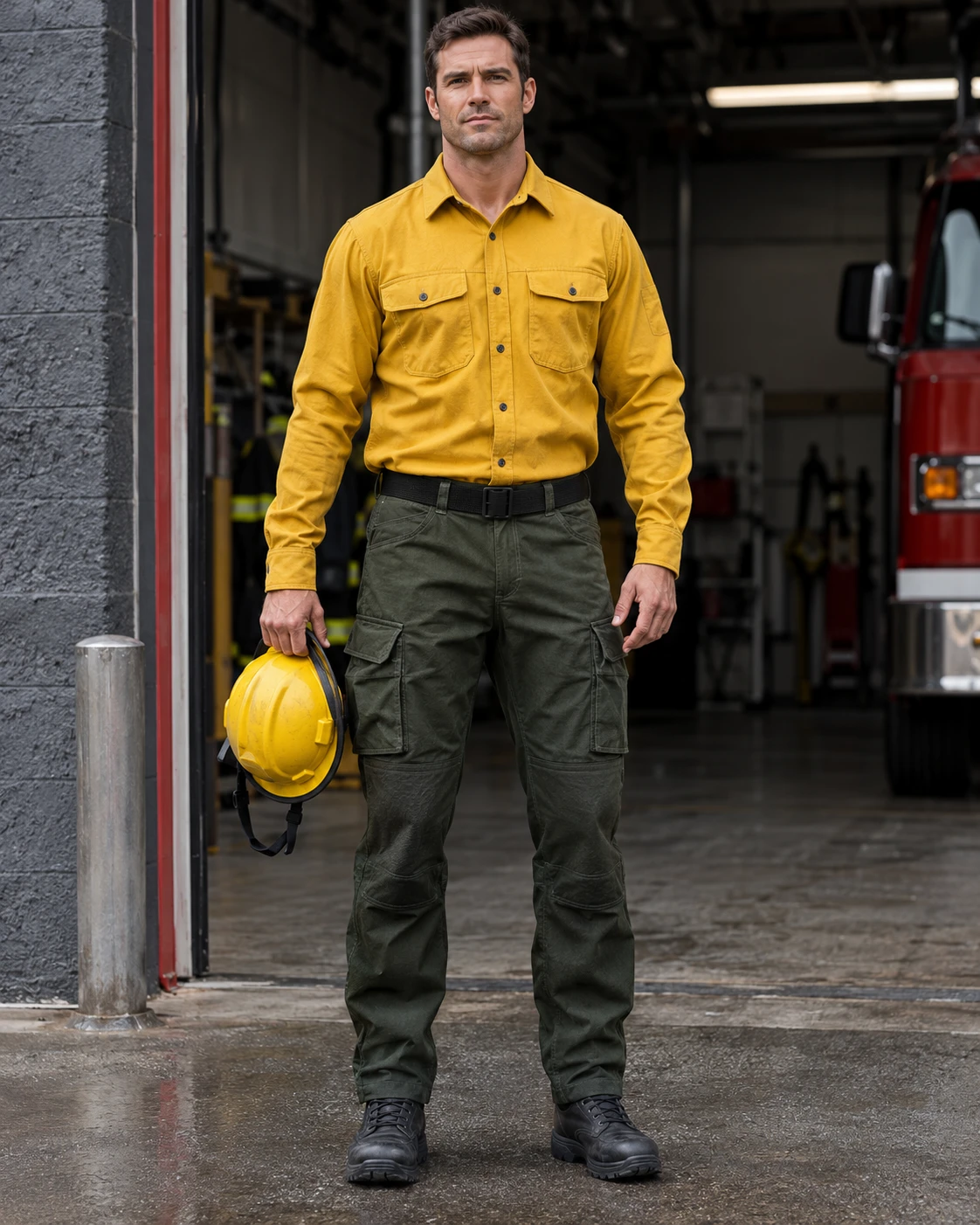
We develop station shirts and trousers, coveralls, wildland/brush uniforms, rescue jackets and EMS/fire-medical apparel. Certified structural turnout under NFPA 1971/NFPA 1970 or EN 469 is outside this program. Send your garment list, crew size and intended duties first: we separate the everyday uniform styles from any specialist PPE requirement before preparing the quote.
Which outer-shell fabric should I choose for my uniform?
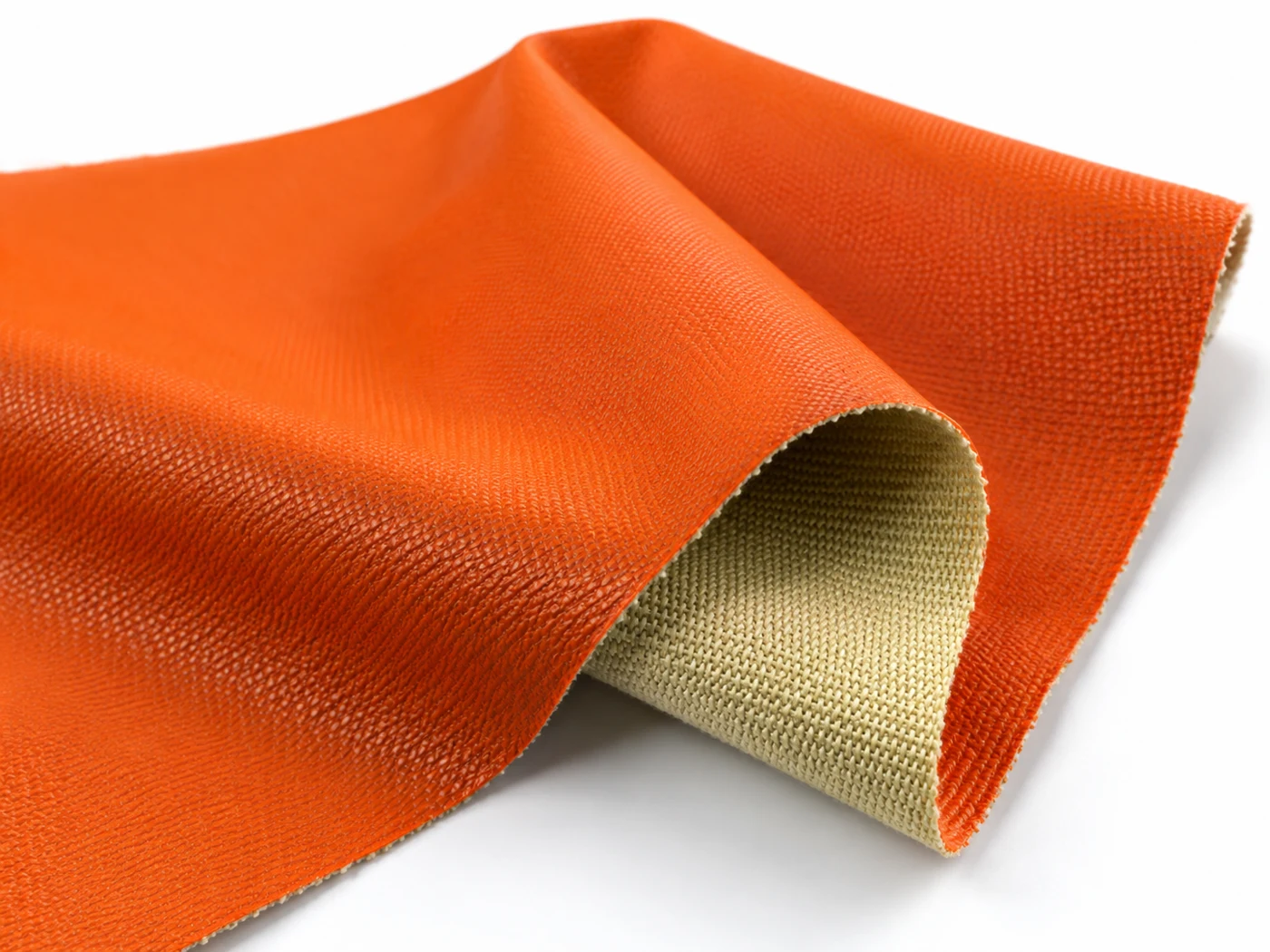
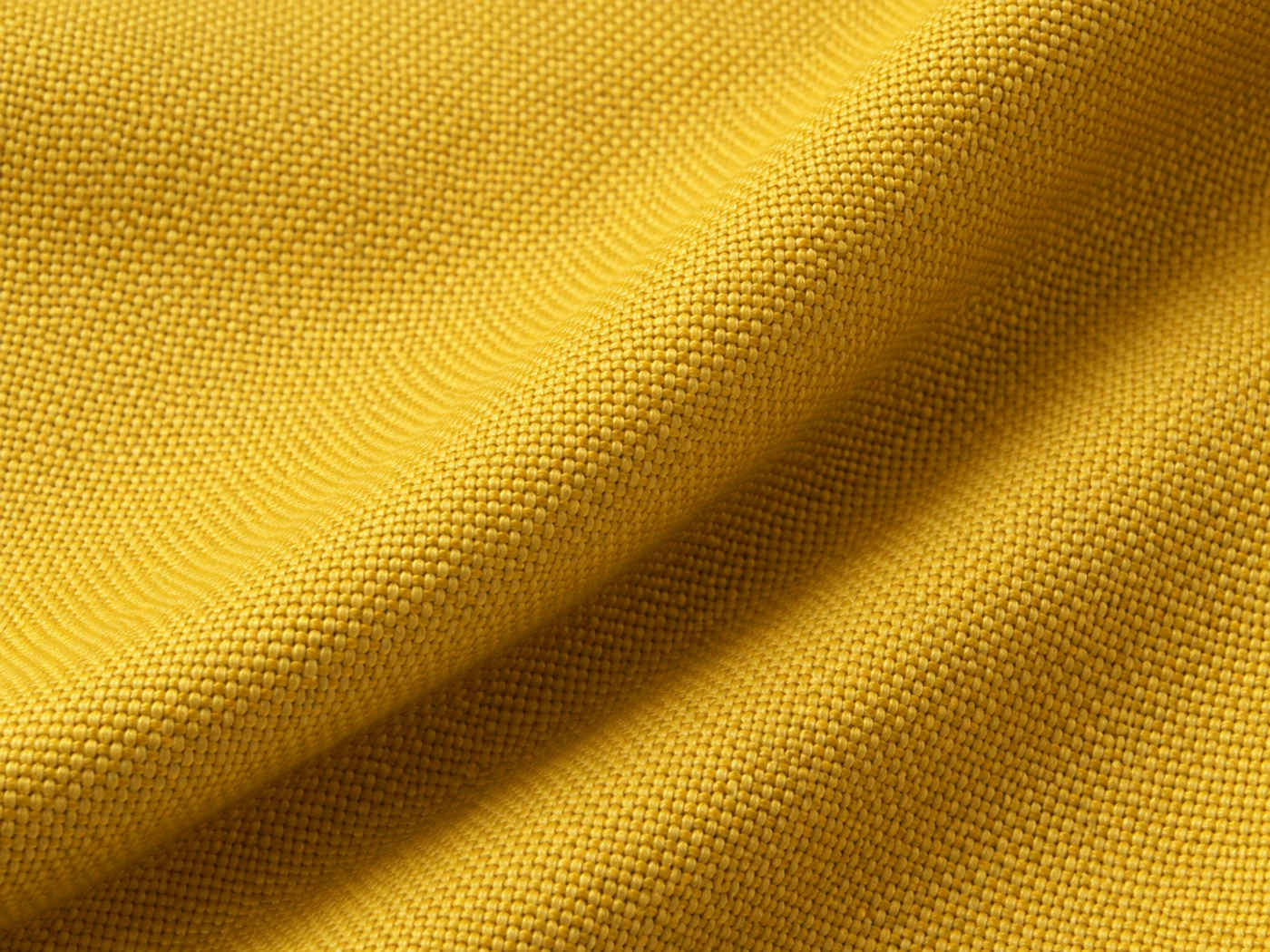
For an aramid brief, start with Nomex IIIA when comfort, colour choice and material cost are priorities. Compare Kevlar/Nomex blends when tearing and repeated rubbing are the main concern; compare PBI/para-aramid for thermal-stability requirements, and lightweight technical blends when mobility and bulk matter most. The outer-shell options above include 6.0–7.5 oz/yd² constructions. Send the duty, climate and laundry method with your target weight; we use those inputs to shortlist materials and prepare swatches for your sample.
Can you reproduce our current uniform, and what is the minimum order?
Yes. Start from 50 pieces per style. Send an existing garment, technical pack or clear front/back/detail photographs, plus the quantity, size breakdown, logo artwork and delivery destination. We identify the fabric, seams, pockets and closures, then prepare the garment specification and sample. For example, 60 crew members receiving two issues of one style means 120 pieces; a shirt and a trouser are separate styles for quoting and MOQ purposes.
Will the flame resistance last after washing?
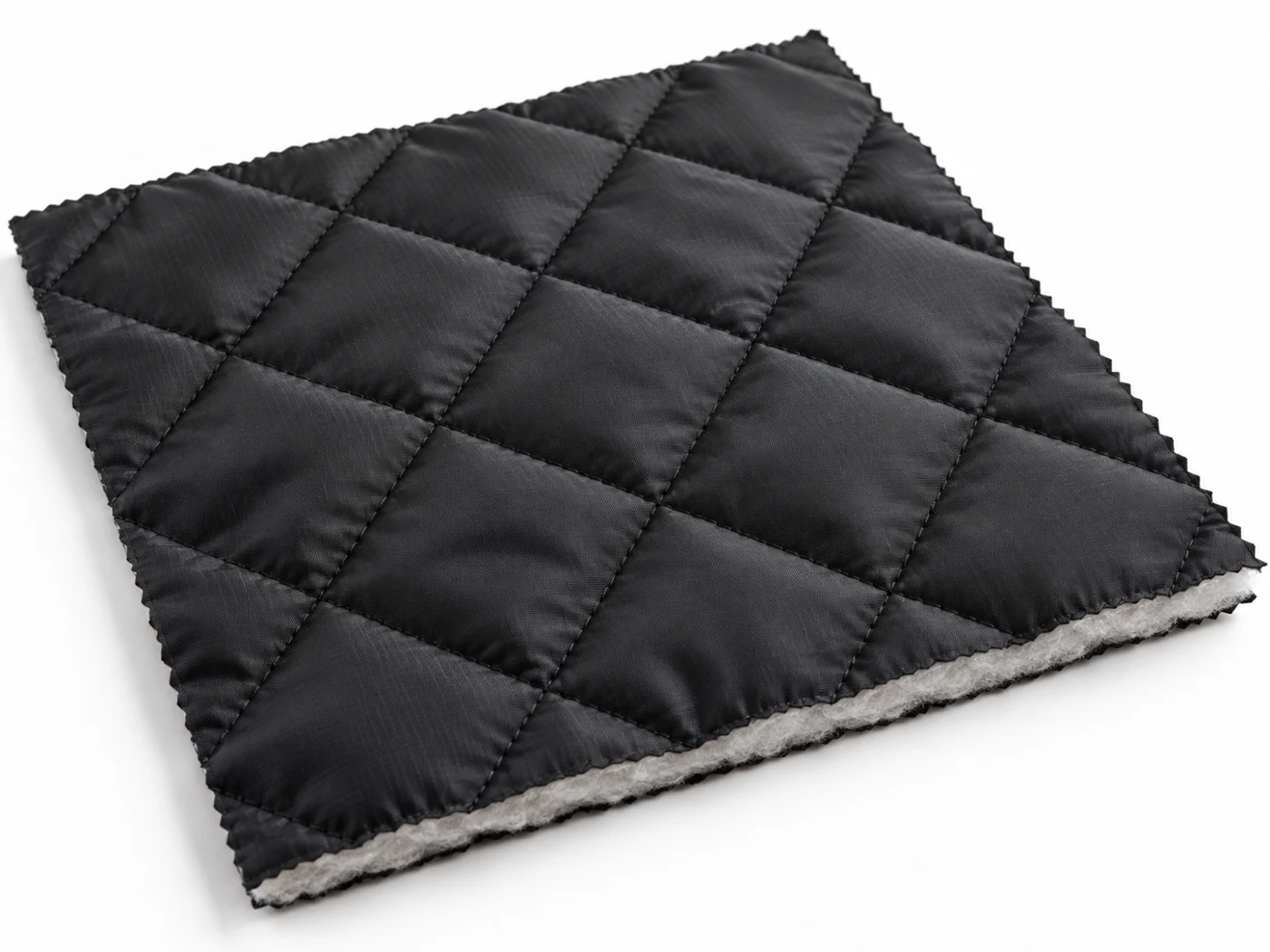
Choose the exact fabric first. Aramid fabrics have inherent flame-resistant fibre chemistry; FR cotton/nylon and other treated materials have their own specified care limits. Neither route makes a dirty, damaged or altered garment safe indefinitely. We can include repeated-wash evaluation in the development brief, including a 100+ cycle option for a selected barrier construction. Specify your detergent, temperature and drying process so the test and care label reflect how the garment will actually be washed. Replace damaged garments in line with their manufacturer's instructions.
How long do sampling, bulk production and urgent reorders take?
Plan 5 business days for the agreed sample once the specification and materials are ready, followed by 15–20 production days after final sample approval for standard bulk orders. Sample changes are resolved before the bulk-production clock starts. If you need a 10–14-day rush or repeat-order slot, send the locked specification, quantity and required date; we check material stock and production capacity before confirming that schedule. Courier, air or sea transit is additional to production time.
How do you size a mixed crew and reduce fit problems before production?
Use the men's XS–6XL and women's XS–4XL charts above to collect the crew breakdown. Men's measurements cover chest, waist and sleeve; women's cover bust, waist and hip. Include short/regular/long requirements and the layers worn underneath. Before bulk production, review a size set with crew members reaching, kneeling and sitting; record the accepted finished measurements and any adjustments. Pack the approved quantities by size, wearer or department so the order is ready to issue.
Can you add our badges, name bars, reflective trim and tracking labels?
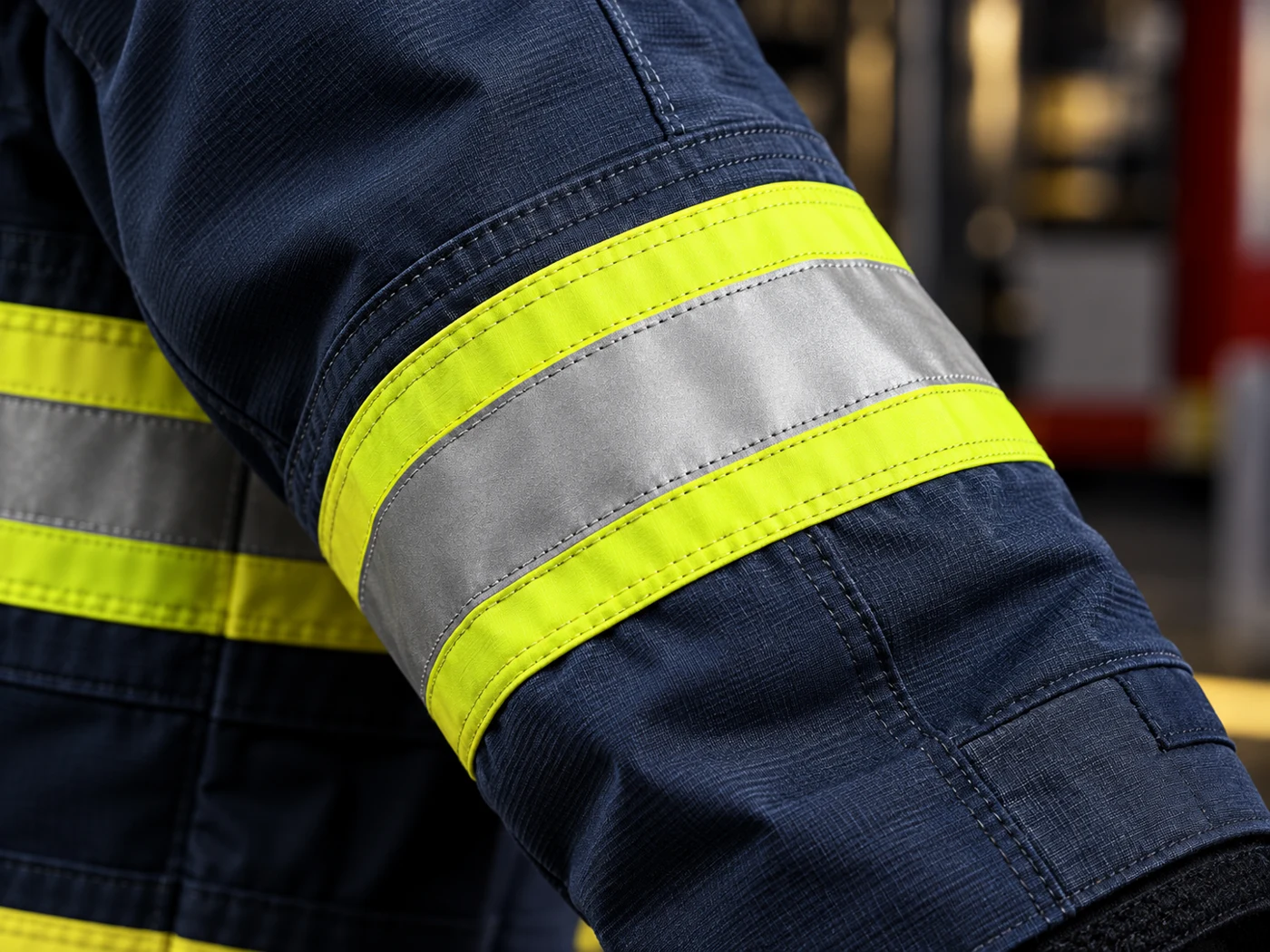
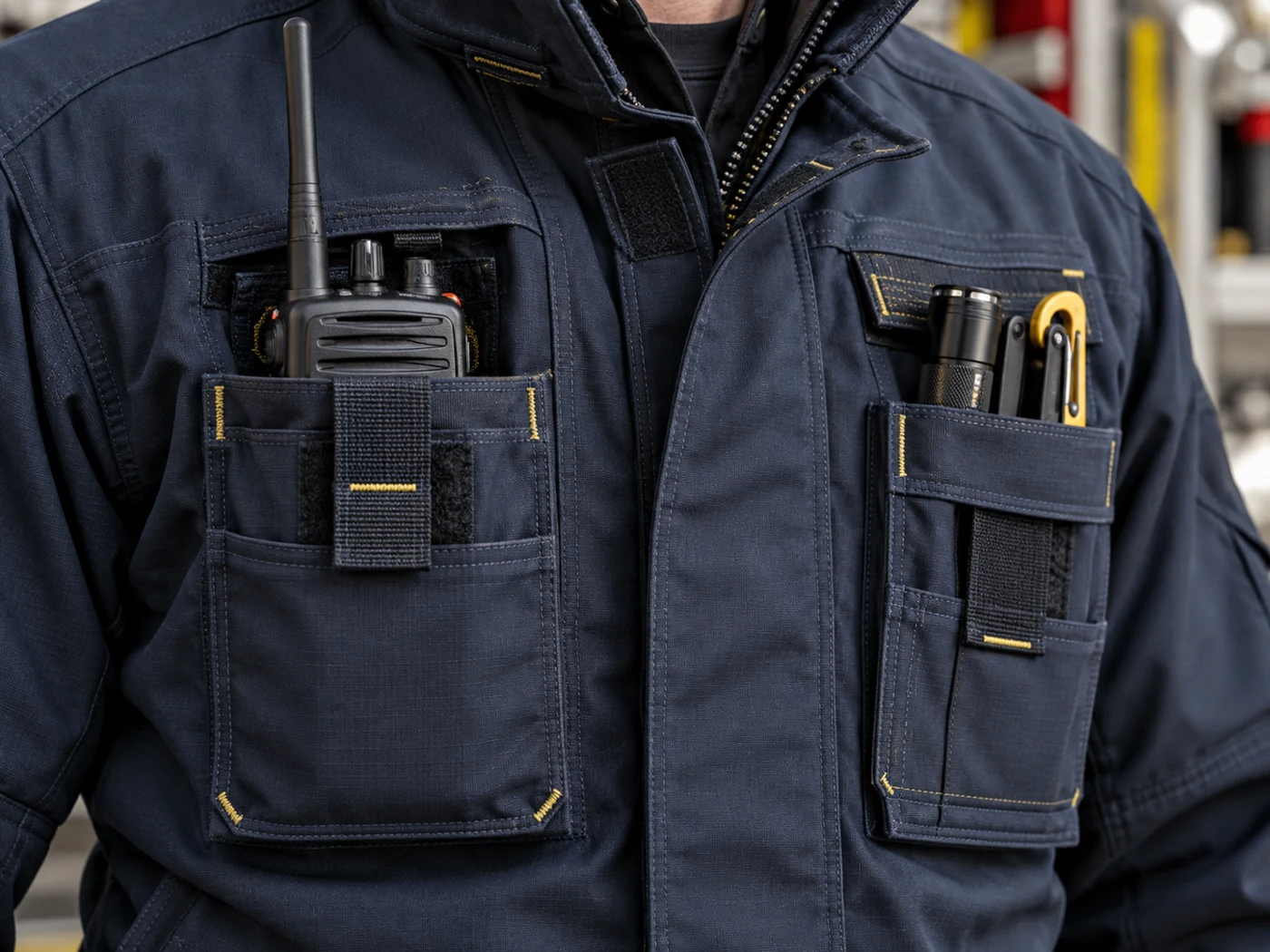
Yes. Options include embroidered or woven department patches, individual name bars, collar/shoulder rank placement, reflective sleeve/hem/waist layouts and garment-number or barcode labels. Send your vector logo, wording, placement measurements and crew name list. We prepare the artwork layout and a sew-out or trim sample on the chosen textile before the run. Pocket positions and radio loops can be developed at the same stage, so branding does not block access to equipment.
How do you handle packing, shipping costs and repeat orders?
Send the delivery postcode, required arrival date and preferred shipping method with the enquiry. Request FOB, CIF or DDP pricing so the quotation clearly identifies the freight, customs and tax responsibilities. Before packing, agree the size/department allocation, carton marks and packing list. For repeat orders, quote the previous PO or style reference and the new size quantities; we compare the archived sample, fabric/trim references and artwork, then confirm the production slot. New colours, material substitutions or design changes go back through sample approval.