How do I choose between FR-treated cotton and Nomex®?
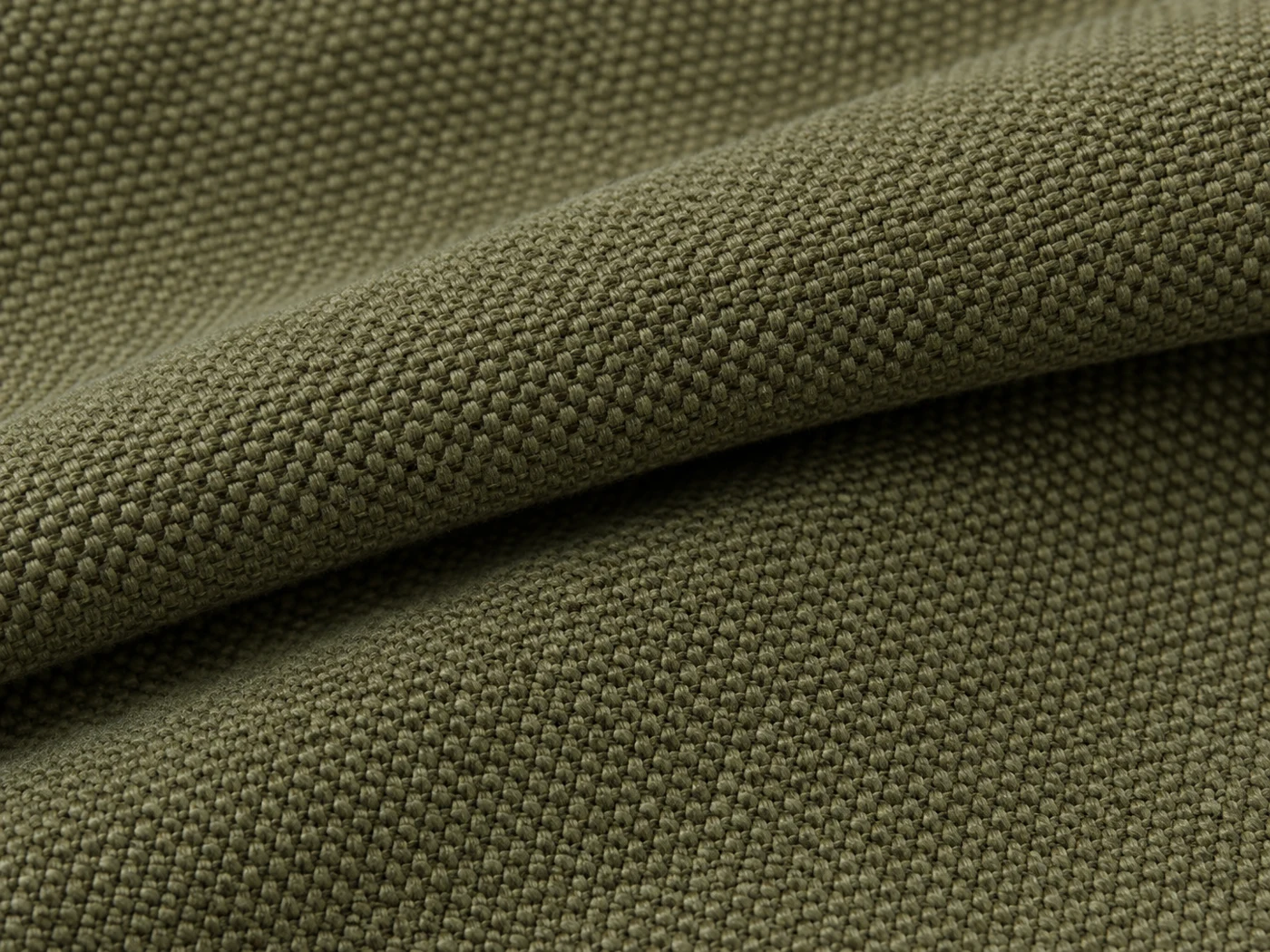
Start with the documented hazard, required garment standard and laundry process. FR-treated cotton can suit an approved cost-conscious program; genuine aramid offers inherent fibre flame resistance. Neither fibre name alone establishes the finished garment’s arc rating or suitability. Compare the actual material, garment design and test records before issue.
Can one order cover welders, electricians and warehouse staff?
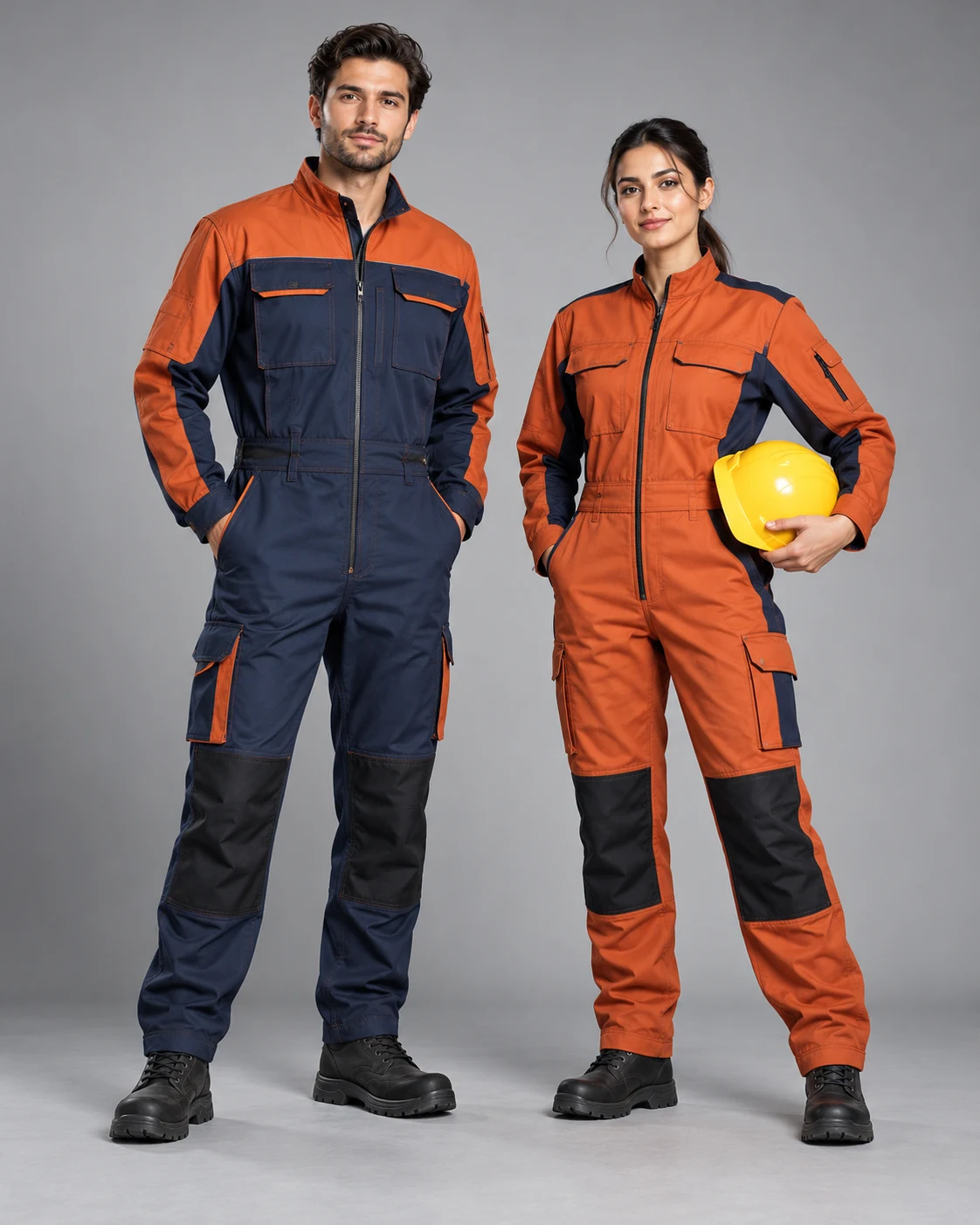
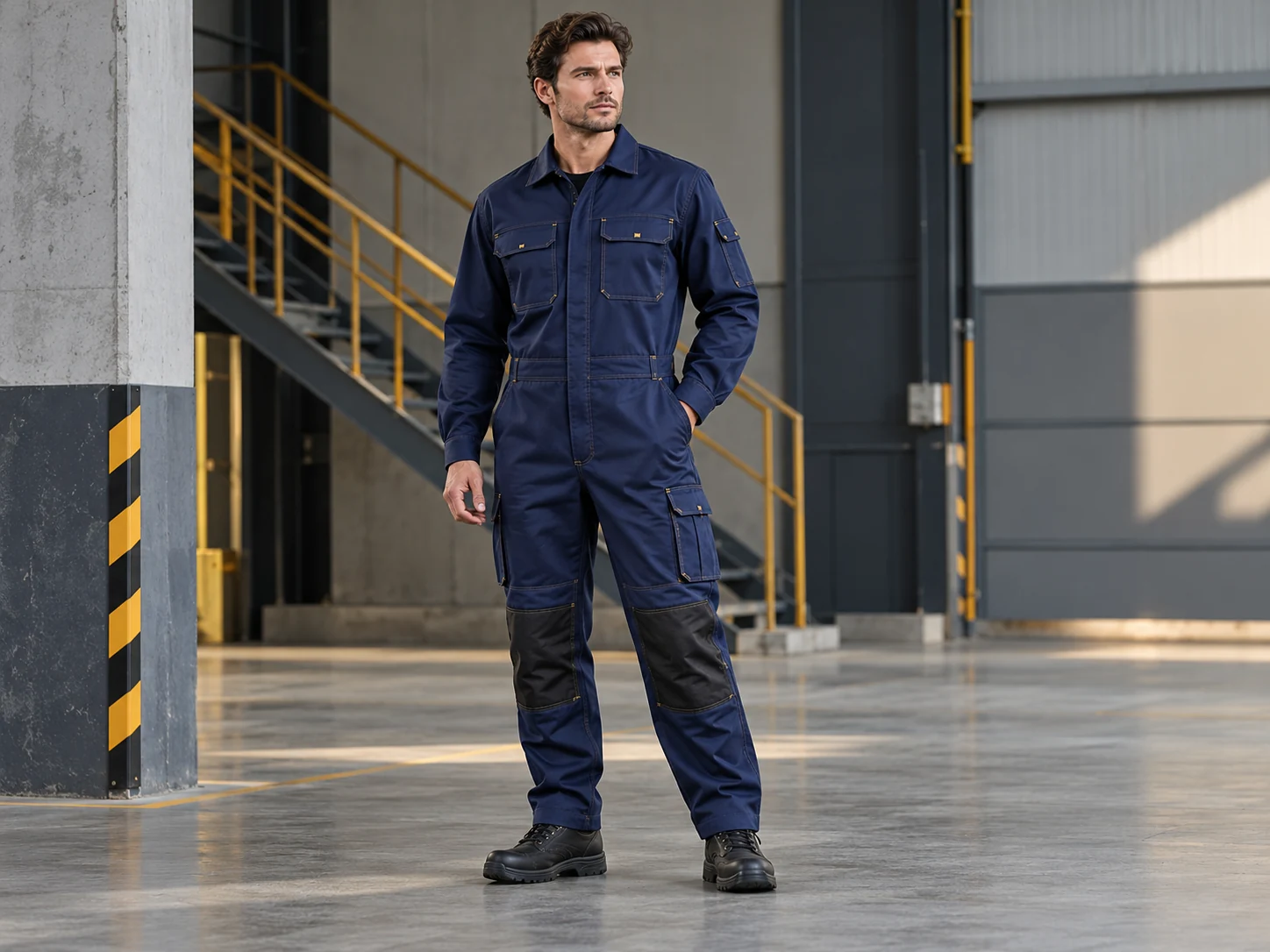
Yes. Build a separate specification for each role, then coordinate colours, sizing, branding and distribution. Keep protective standards and reports style-specific. For example, a 3-role order can use FR coveralls, an appropriately arc-rated set and a hi-vis garment without pretending those garments provide the same protection.
How is XS–6XL sizing handled?
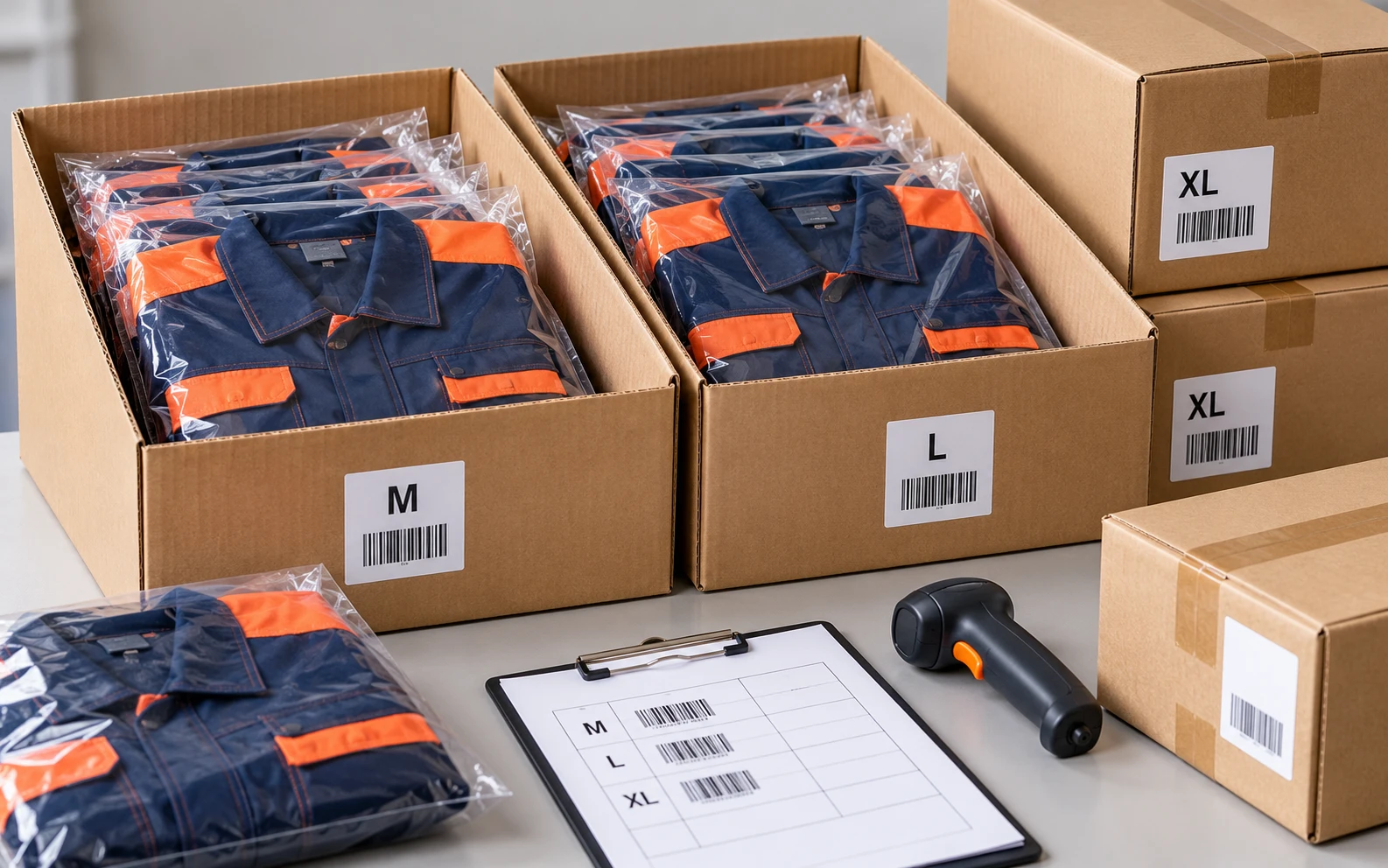
Send wearer measurements and size counts by department. We develop the graded garment chart around the base layer, ease and movement requirements, then review a fit sample. The 10-band reference table uses body measurements; final garment measurements are approved separately, with agreed critical-point tolerances such as ±1 cm.
Which fabric suits the site: aramid, anti-static or hi-vis?
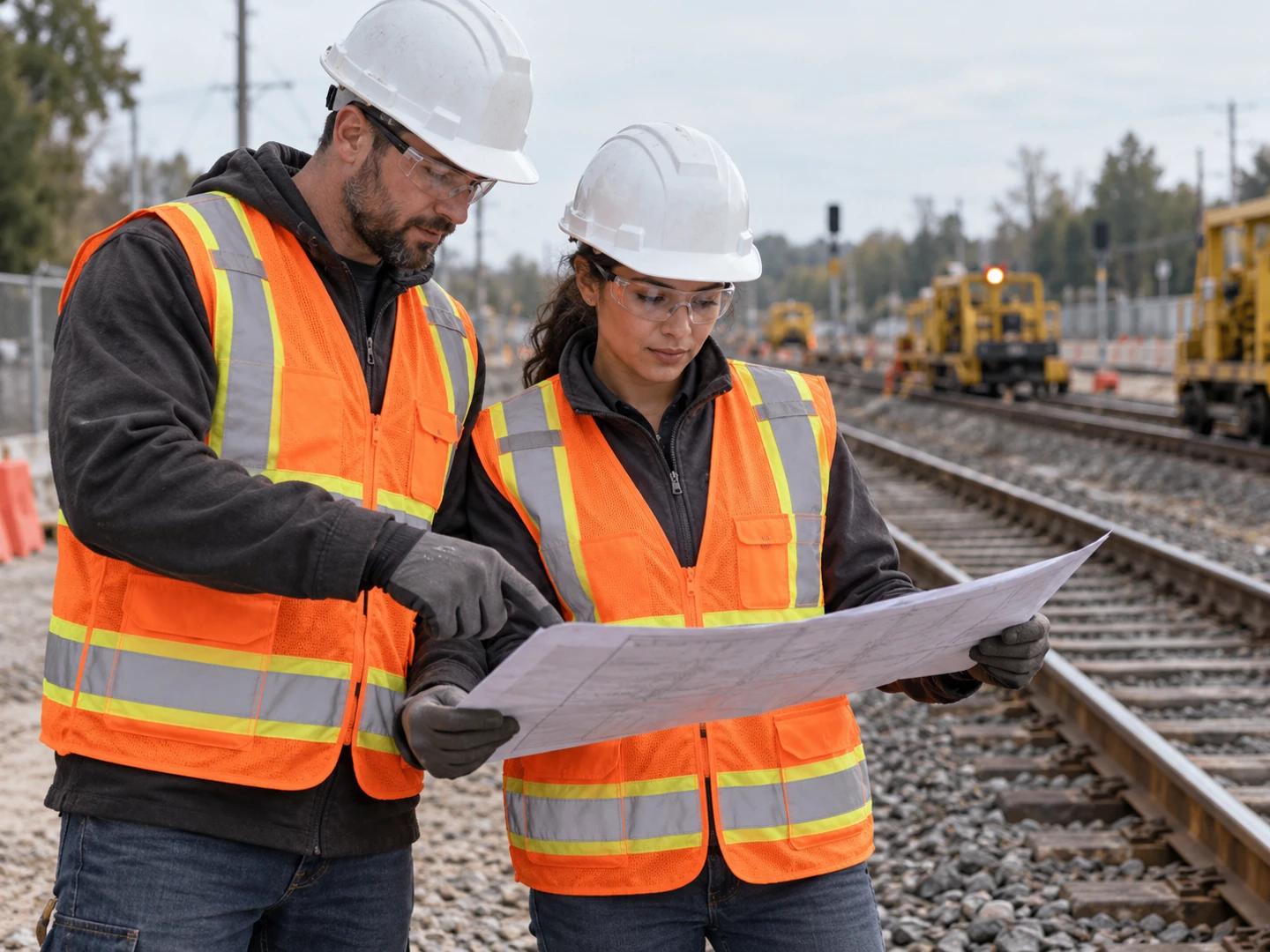
Match the hazard first. Aramid / FR-treated materials address selected heat and flame requirements. Anti-static clothing works within a defined charge-dissipation system. Hi-vis requires conforming materials, areas and layout under the applicable type / class. One garment may need multiple separately verified properties.
Which records belong with the order?
Agree the required documents in the PO. ISO 9001 addresses a management system; OEKO-TEX records have a defined tested scope. PPE conformity and product test evidence must match the exact garment. amfori BSCI and Sedex / SMETA relate to social-compliance programs and audits, rather than a blanket product safety certificate.
Can industrial uniforms last 1.5–3 years?
That range can be a planning assumption, not a universal replacement promise. Heat, abrasion, laundering frequency, contamination and the protective garment’s retirement rules decide actual life. Selected daily-wear briefs may target ≤3% shrinkage, 800–1000 N warp tensile strength and 60+ wash evaluations; record the method and acceptance limits. Inspect protective clothing before use and retire it when required.
Can you source a coated or Tyvek® option outside the core range?
Send the exact grade or performance brief, intended exposure and quantity. We review material availability, garment construction and supporting evidence before quoting. Confirm chemical compatibility for the named substance and concentration. Limited-use Tyvek garments are not treated as washable daily uniforms; follow the selected model’s instructions.