Skip to content
Custom uniforms · Factory direct
15,000 m²Manufacturing Facility
130Employees
10Production Lines
500,000 PiecesAnnual Production Capacity

Custom Uniform Manufacturer.
500,000 Pieces
Annual Production Capacity.

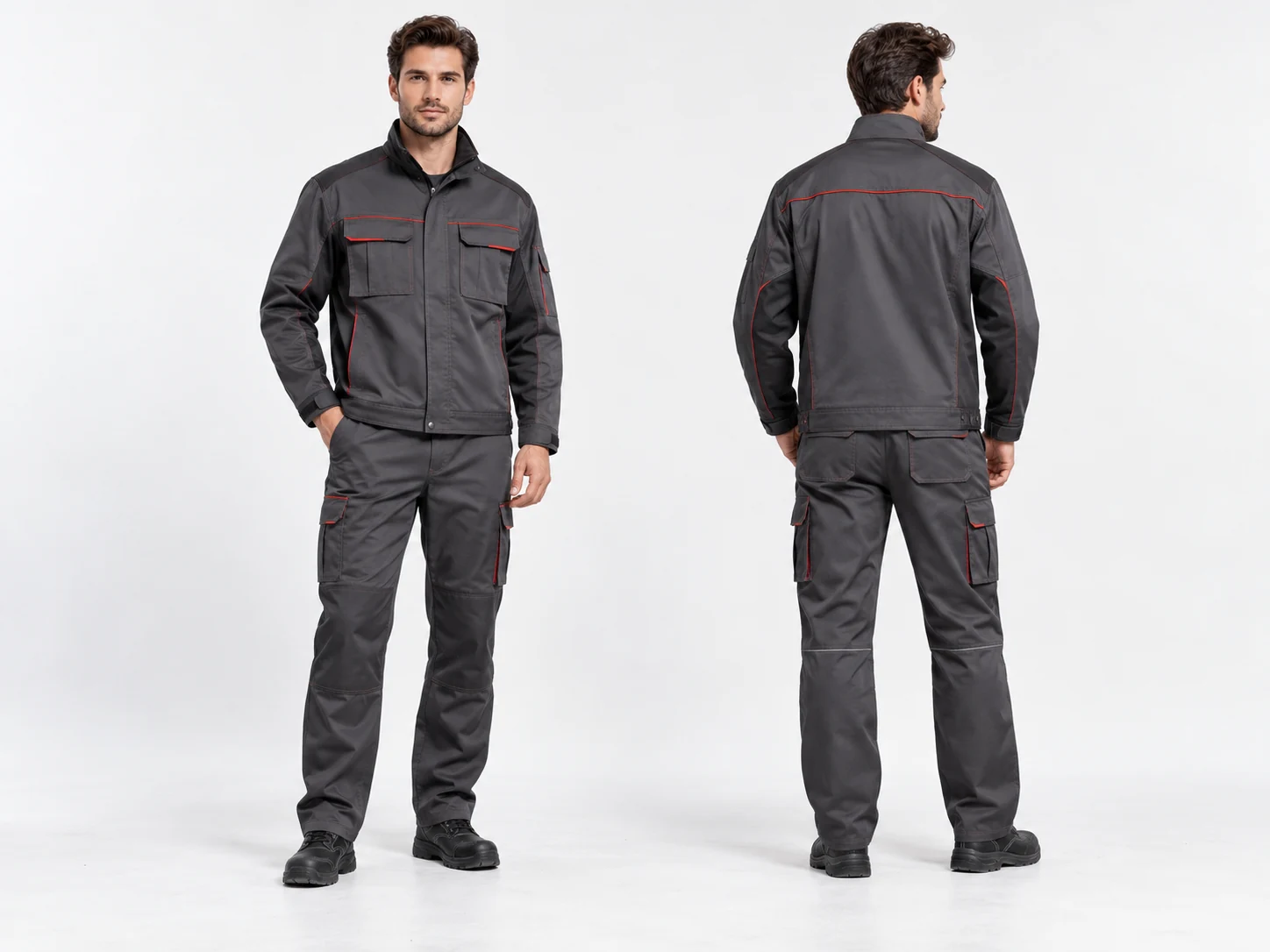
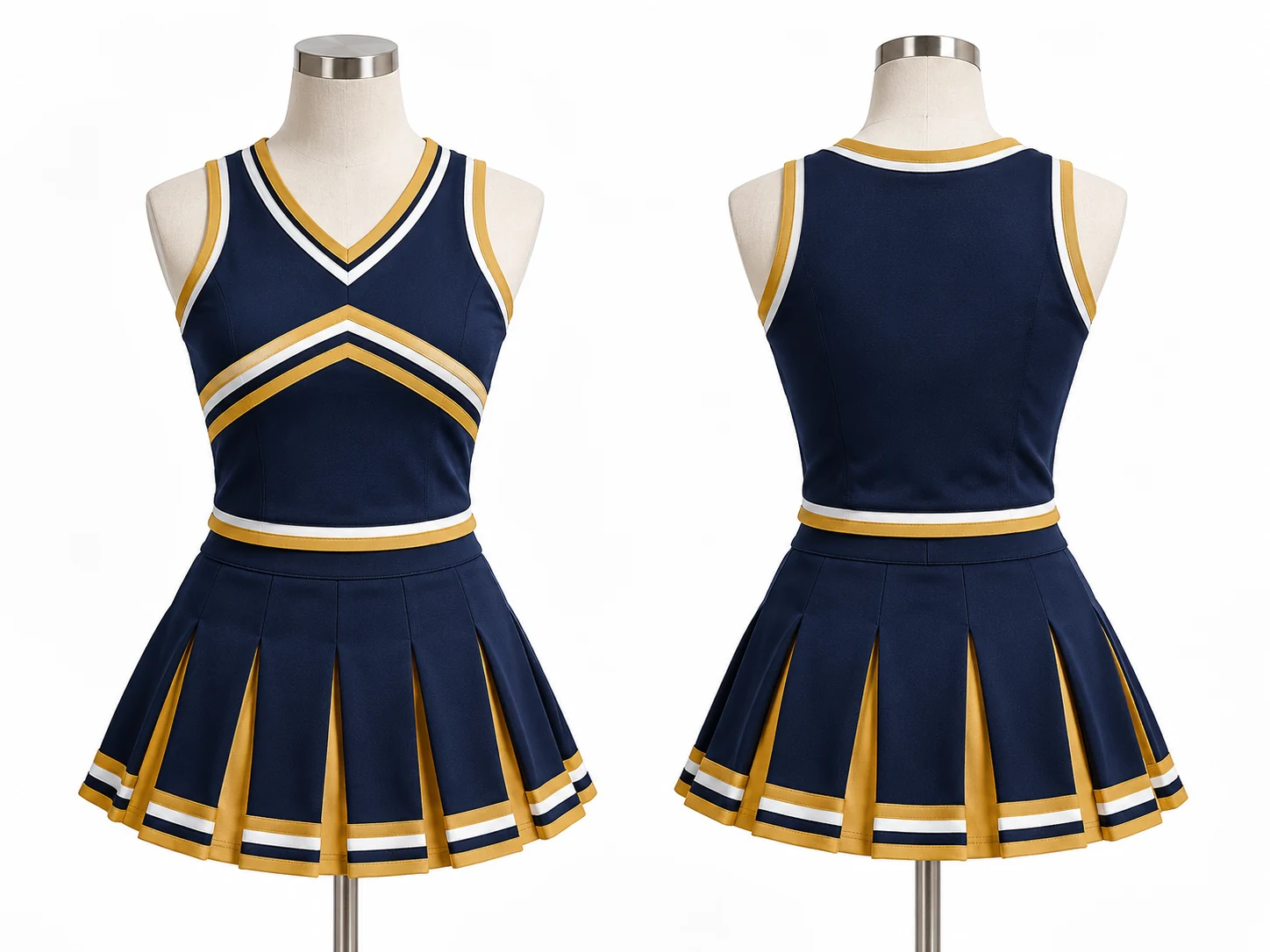
From high-visibility workwear for site crews to medical scrubs for healthcare teams, Washedloom brings fabric, fit and branding into one custom uniform program. Our 15,000 m² manufacturing facility has 130 employees and 10 production lines, with 500,000 pieces annual production capacity. Start with the working conditions, size range and technical requirements; approve the sample before committing to bulk production.

Order scope: Draft production basis from 50 pieces per style. Sampling, production and freight are separate stages. Structural firefighter turnout gear is outside the scope of this preview.

The cost of getting it wrong

A uniform problem becomes
a procurement problem.

Three purchasing situations where a clear specification prevents avoidable rework.

Construction / Oil & Gas

Safety Compliance Officer

A vest that looks visible in a photograph may still be wrong for the task. When role, garment class and documentation are unclear, the cost appears later as rejected PPE, replacement orders and interrupted work.

Start with the hazard assessment and required product standard.
Define ANSI/ISEA 107 or EN ISO 20471 requirements and the relevant batch evidence before approval.
Healthcare / Clinic Chains

Medical Procurement Lead

A color name is not a color standard. Sizing drift, uncomfortable fabric and shade differences become visible across departments long before the next procurement review.

Approve the scrub after washing, not just when it arrives.
Record fabric composition, GSM, care routine, color reference and graded measurements for repeat orders.
Apparel Startups / DTC Brands

Workwear Brand Founder

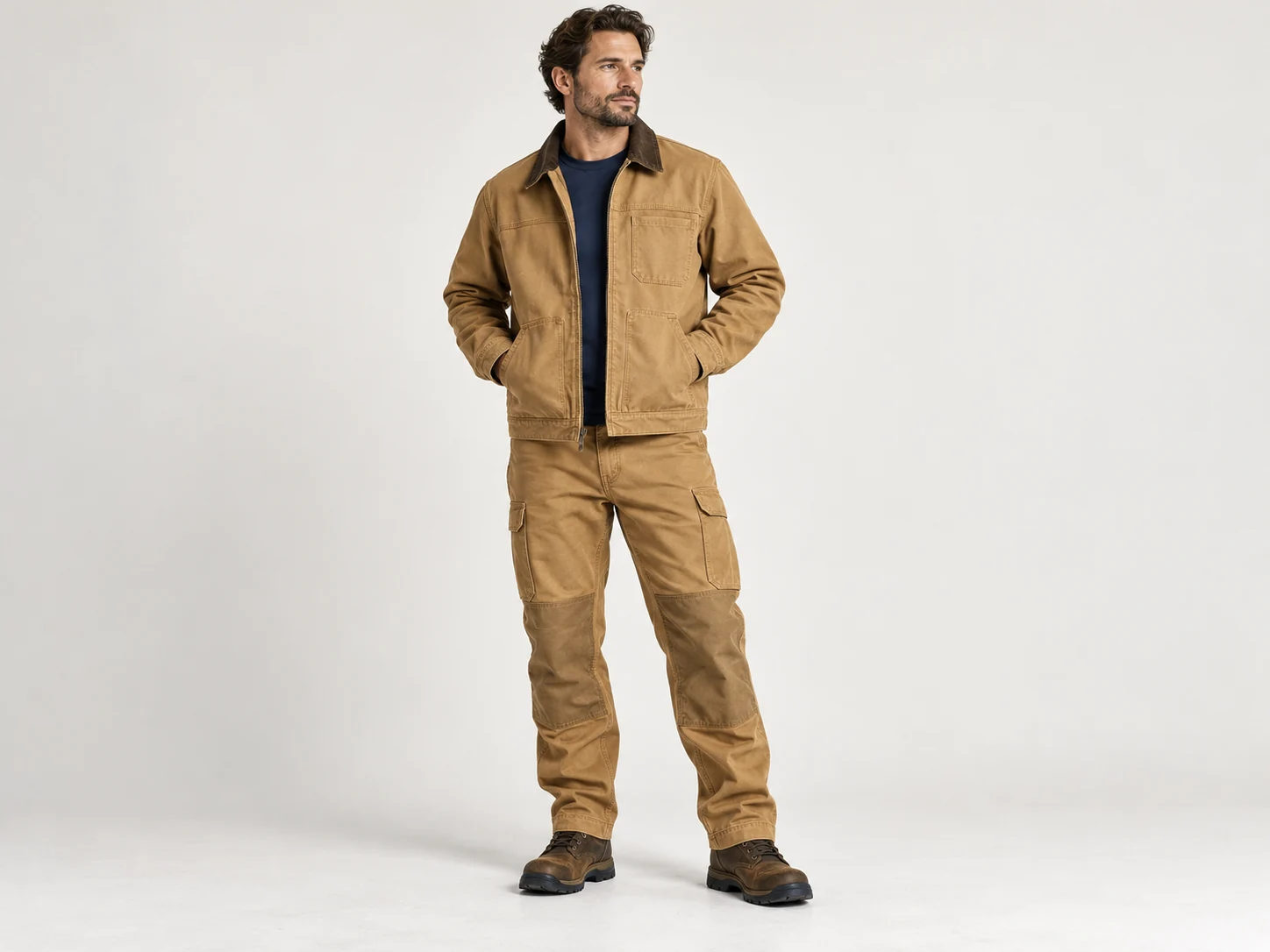
A rugged work pant needs more than the right silhouette. Lightweight cloth, weak pocket openings and unsuitable zippers can turn an attractive sample into a garment that fails in use.

Construction must follow the job, not a catalogue photograph.
Review canvas weight, reinforcement, hardware and movement before the pre-production sample is signed off.
Industry solutions

Custom uniform programs for every team.

Scope & assessment

Is this your order? Define the checks first.

✓ A fit for your order

  • Production programs from 50 pieces per style under the draft commercial basis.
  • You need fabric, dimensions, decoration and packing recorded against a purchase order.
  • You want a pre-production sample to anchor bulk approval and future reorders.

× Outside the current scope

  • Single finished garments or immediate local stock replenishment.
  • Certified structural firefighter turnout gear under NFPA 1970 / 1971 or EN 469.
  • A guaranteed protective performance before the product, material and test scope have been reviewed.
AssessmentWhat to specify and verify
StandardsIdentify the task and market first. Review ANSI/ISEA 107, NFPA 2112 or EN ISO 20471 where relevant; confirm the exact material, garment and test evidence before claiming compliance.
Wash lifeSpecify domestic or industrial care. Use ISO 6330 or ISO 15797 as appropriate test procedures, with separate acceptance criteria for shade, seams, dimensions and reflective elements.
Size toleranceAgree a graded chart, size range and points of measurement. Draft reference tolerance: ±0.5 in (1.3 cm), unless your approved tech pack specifies otherwise; assess the fit sample before bulk.
DocumentationDefine the mill certificates, applicable third-party reports and inspection records required for each PO. Draft inspection reference: AQL 2.5, with sampling level and defect categories agreed before production.
Our factory floor

Where your specification becomes production.

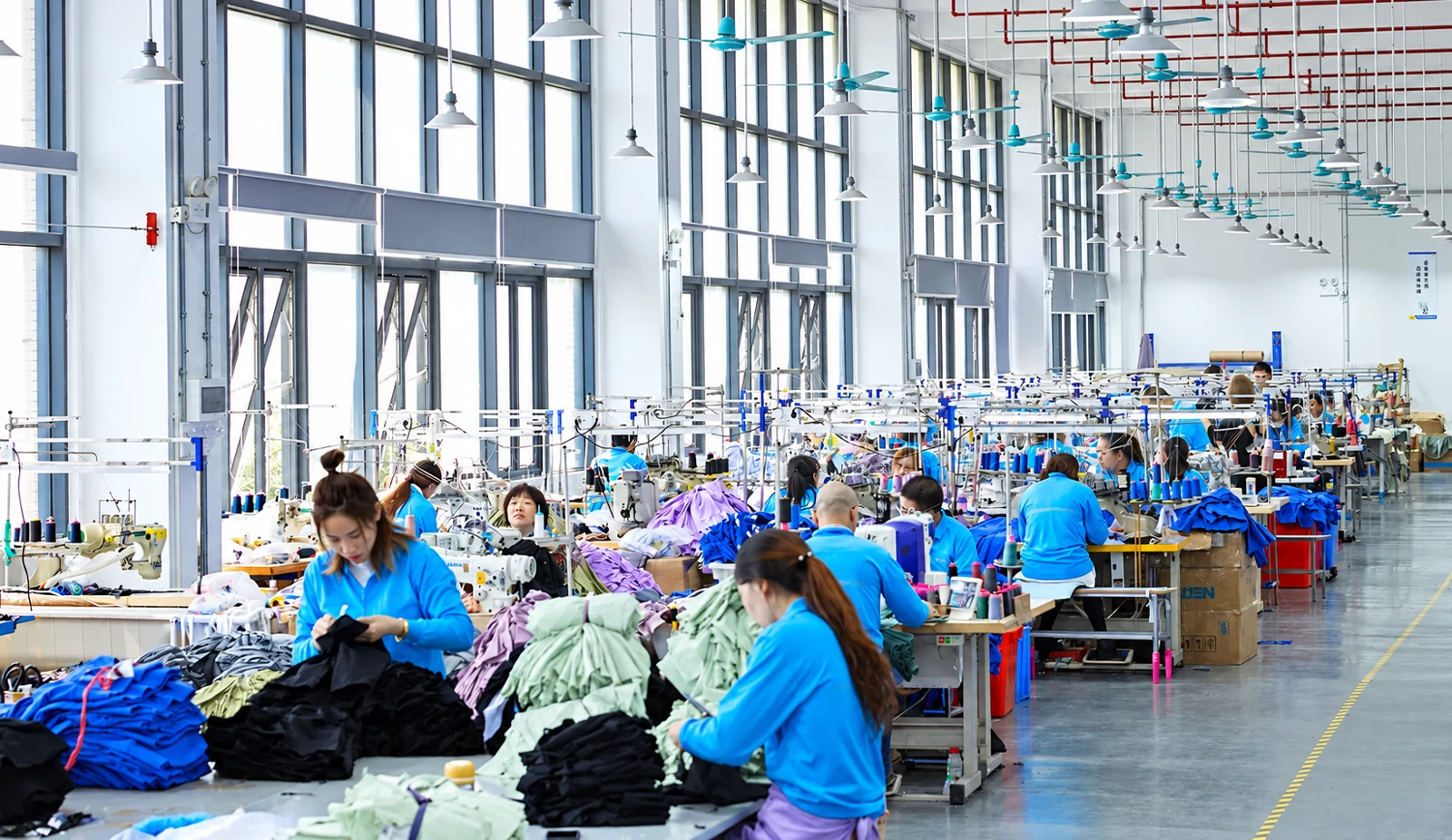
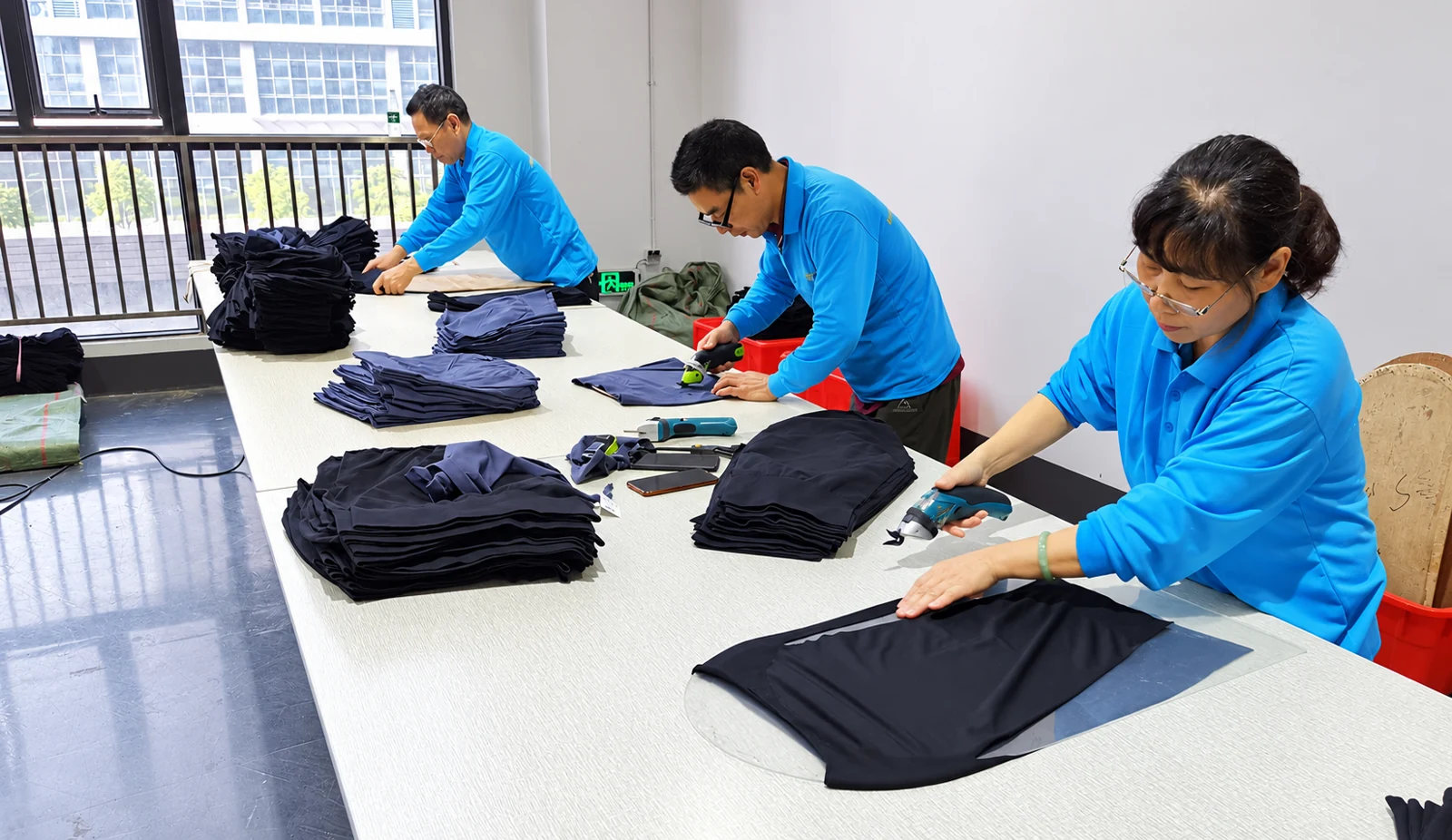
Washedloom combines a 15,000 m² Manufacturing Facility, 130 Employees and 10 Production Lines, supporting 500,000 Pieces Annual Production Capacity. The photographs below come from the supplied factory library.

15,000 m²Manufacturing Facility
130Employees
10Production Lines
500,000 PiecesAnnual Production Capacity

Management & audit framework

ISO 9001, ISO 14001 and ISO 45001; social audit programs include SMETA and amfori BSCI. Scope and records follow the actual facility documentation.

Pattern & material review

Connect fabric composition, weight, shrinkage and drape to the approved pattern and size chart.

Decoration planning

Select printing, embroidery and label construction for the garment fabric and intended care routine.

Incoming material checks

Review material references and required reports before approving cloth for the order.

Production checkpoints

Use the approved sample, measurement chart and agreed inspection plan to review construction.

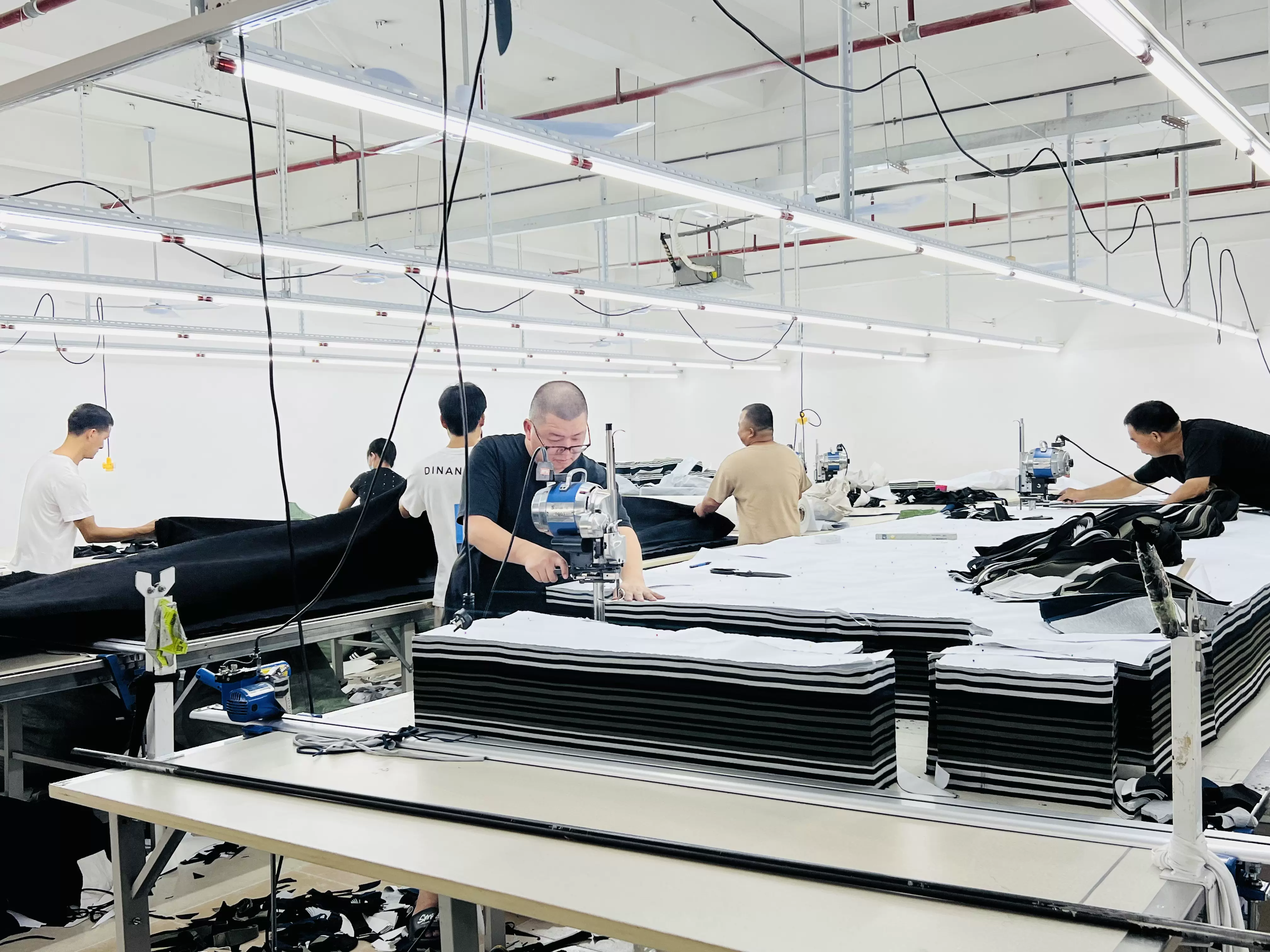
Washedloom supplied real factory photograph: CUTTING FLOOR
CUTTING FLOOR · REAL FACTORY PHOTO
Washedloom supplied real factory photograph: SEWING FLOOR
SEWING FLOOR · REAL FACTORY PHOTO
Washedloom supplied real factory photograph: GARMENT INSPECTION
GARMENT INSPECTION · REAL FACTORY PHOTO
Custom Services

Each detail, made to your brief.

Select a service to explore the process, materials and approval details.

The Washedloom approach

Compare the complete program.
Not just the unit price.

Comparison criteriaDistributorsWashedloom programUnverified suppliers
PricingMay include sourcing and distribution servicesFactory quotation tied to fabric, trims, quantity and delivery scopeA low unit price may omit testing, labels or freight
Lead timeStock availability and custom-order schedules varyDraft: 15–20 days after sample approval; freight quoted separatelyCapacity and material availability need verification
Compliance docsConfirm what evidence is includedAgree applicable material, product and inspection documentation by POReview issuing body, scope and traceability
CustomizationOften limited by catalogue or supplier networkReview fabric, fit, logo, labels and packaging in one approved briefCheck sample accuracy and control of revisions
AccountabilityConfirm who resolves manufacturing defectsRecord acceptance criteria, approval points and corrective-action processClarify responsibility before committing to bulk

Compare a complete delivered specification. Percentage savings depend on the actual order; no unsupported price advantage is claimed.

Compliance

Standards behind
every specification.

ISO 9001, ISO 14001, ISO 45001 and OEKO-TEX STANDARD 100 form part of Washedloom’s confirmed framework. SMETA and amfori BSCI are social audit programs. Product standards are reviewed against each garment’s applicable scope.

ANSI/ISEA 107 standard reference graphic, not a certificate

ANSI/ISEA 107

High-Visibility Safety Apparel

  • Retroreflectivity
  • Luminance / chromaticity
  • Wash-cycle durability

Specify the correct visibility class for the role, then verify the garment and test-document scope.

NFPA 2112 / 70E standard reference graphic, not a certificate

NFPA 2112 / 70E

Flash Fire & Arc Flash Protection

  • Flame resistance — ASTM F1930
  • Arc rating — ASTM F1959
  • Garment and hazard assessment

Select flash-fire and arc-rated workwear against the actual hazard. These requirements are reviewed separately.

EN ISO 20471 standard reference graphic, not a certificate

EN ISO 20471

European Hi-Vis Standard

  • Photometric performance
  • Visible material coverage
  • CE assessment documentation

Match the class, garment design and supporting evidence to the intended European market.

OEKO-TEX STANDARD 100 standard reference graphic, not a certificate

OEKO-TEX STANDARD 100

Harmful Substance Testing

  • Heavy metals
  • Formaldehyde
  • Restricted substances

Check that the current certificate scope covers the selected textile or article used in your order.

ISO 9001:2015 standard reference graphic, not a certificate

ISO 9001:2015

Quality Management System

  • Process audit trail
  • Corrective-action records
  • Management review

A documented management system connects approved specifications, production checks and traceable records.

Process

From specification to shipment.

Six connected phases, with the approval criteria defined before production begins.

1

Submit Your RFQ

Share garment types, quantities, size breakdown, target market and delivery date.

2

Review Requirements

Map the role, fabric and hazard requirements to the relevant test and documentation scope.

3

Sample & Approve

Approve fabric, fit, decoration, measurements and care information before bulk.

4

Production & QC

Review incoming materials, in-line construction and final inspection against the agreed plan.

5

Prepare the Order File

Compile the agreed material reports, sample references, inspection and packing records.

6

Logistics & Delivery

Confirm FOB, CIF or DDP scope as applicable, then quote transit separately from production.

What You Receive

Each order comes with
a complete order file.

The garments and the paperwork follow the same approved specification, ready for purchasing and receiving to check together.

Bulk Uniform Order

Garments are cut, sewn and checked against your approved pre-production sample. Labels, individual packing and carton allocation follow the final order brief.

Pre-Production Sample

A signed sample per agreed style records the fabric, fit, trim and decoration approved before bulk production, with revision notes kept in the order file.

Third-Party Lab Reports

Applicable independent reports cover the selected textile or product: composition, colorfastness, strength or restricted substances, according to the agreed test scope.

Carton-Level Packing Manifest

Each carton is identified by SKU, size, quantity, weight and dimensions, reconciled against the purchase order and your site-by-site allocation.

Customs Clearance Packet

Commercial invoice, packing list and applicable origin or destination documents are prepared for the shipment and agreed delivery terms.

QC Photo & Inspection Log

The agreed cutting, stitching, finishing and packing checkpoints are documented through inspection records and photographs tied to your order.

Cooperation Case Studies

Programs with measurable outcomes.

18%Modelled annual uniform spend reduction
AI-generated illustrative School Uniform Program team; not an actual customer order
6Campuses
4,800Uniform sets
99.1%Size acceptance
School Uniform Program · Illustrative case

How a six-campus school program brought uniform costs down by 18% — with one approved fit and color standard.

In this illustrative cooperation case, a school network replaced separate campus orders with a single 4,800-set program. The brief paired 220 GSM poly-cotton shirts with coordinated forest-green knitwear and blazers. A shared size chart, a complete fit set and signed trim samples replaced conflicting supplier references. Campus quantities were approved together, while cartons were still allocated by school and size.

The scenario uses ISO 6330 wash procedures and ISO 105-C06 colorfastness testing as specification references, with targets of grade 4 colorfastness and ≤3% dimensional change. OEKO-TEX STANDARD 100 scope review and ISO 9001 process records belong in the proposed order file.

ISO 9001OEKO-TEX STANDARD 100ISO 6330ISO 105-C06
Scenario result

Illustrative outcome: 18% lower annual uniform spend, 99.1% size acceptance and one retained master sample for the next school year.

12 ClinicsOne coordinated scrub and nurse-tunic program
AI-generated illustrative Medical Procurement Partnership team; not an actual customer order
3,200Uniform sets
98.8%Fit acceptance
22%Less replacement spend
Medical Procurement Partnership · Illustrative case

How a 12-clinic network standardized 3,200 uniform sets and reduced replacement spend by 22%.

This illustrative partnership follows a clinic network that needed consistent navy and lavender uniforms across twelve locations. A single program brief brought 180 GSM easy-care poly-cotton, a graded fit set and department color references together. Shade approval happened against a retained swatch; logo placement, care labels and packing by clinic were checked on the sample before the simulated bulk rollout.

The proposed quality file links ISO 105-C06 colorfastness testing and ISO 6330 washing to targets of grade 4 colorfastness and ΔE ≤1.5 under an agreed method. Material certificate scope, inspection records and repeat-order references are checked under the ISO 9001 workflow.

ISO 9001OEKO-TEX STANDARD 100ISO 105-C06AQL 2.5 — proposed
Scenario result

Illustrative outcome: 98.8% fit acceptance, 22% lower replacement spend and a single reorder reference covering all 12 clinics.

Our Partners

A shared standard.
A lasting partnership.

Uniform programs grow through clear specifications, consistent delivery and practical feedback from purchasing teams.

Original illustrative brand wordmark 1; not an actual customer endorsement
Original illustrative brand wordmark 2; not an actual customer endorsement
Original illustrative brand wordmark 3; not an actual customer endorsement
Original illustrative brand wordmark 4; not an actual customer endorsement
Original illustrative brand wordmark 5; not an actual customer endorsement
Original illustrative brand wordmark 6; not an actual customer endorsement
Original illustrative brand wordmark 7; not an actual customer endorsement
Original illustrative brand wordmark 8; not an actual customer endorsement
Application Scenes

Uniforms made for
teams, roles and everyday work.

Beauty and wellness, site crews, office teams, nursing staff, schools and sports clubs — coordinated clothing in the settings it is designed for.

Two therapists in professional tunics reviewing a tablet — original AI scene illustration
Beauty & Wellness
Four site workers in matching orange hi-vis polo uniforms — original AI scene illustration
Construction Teams
Four colleagues in coordinated blue polos in an office — original AI scene illustration
Corporate Polo Programs
A clinic team in coordinated nurse tunics — original AI scene illustration
Nursing & Care
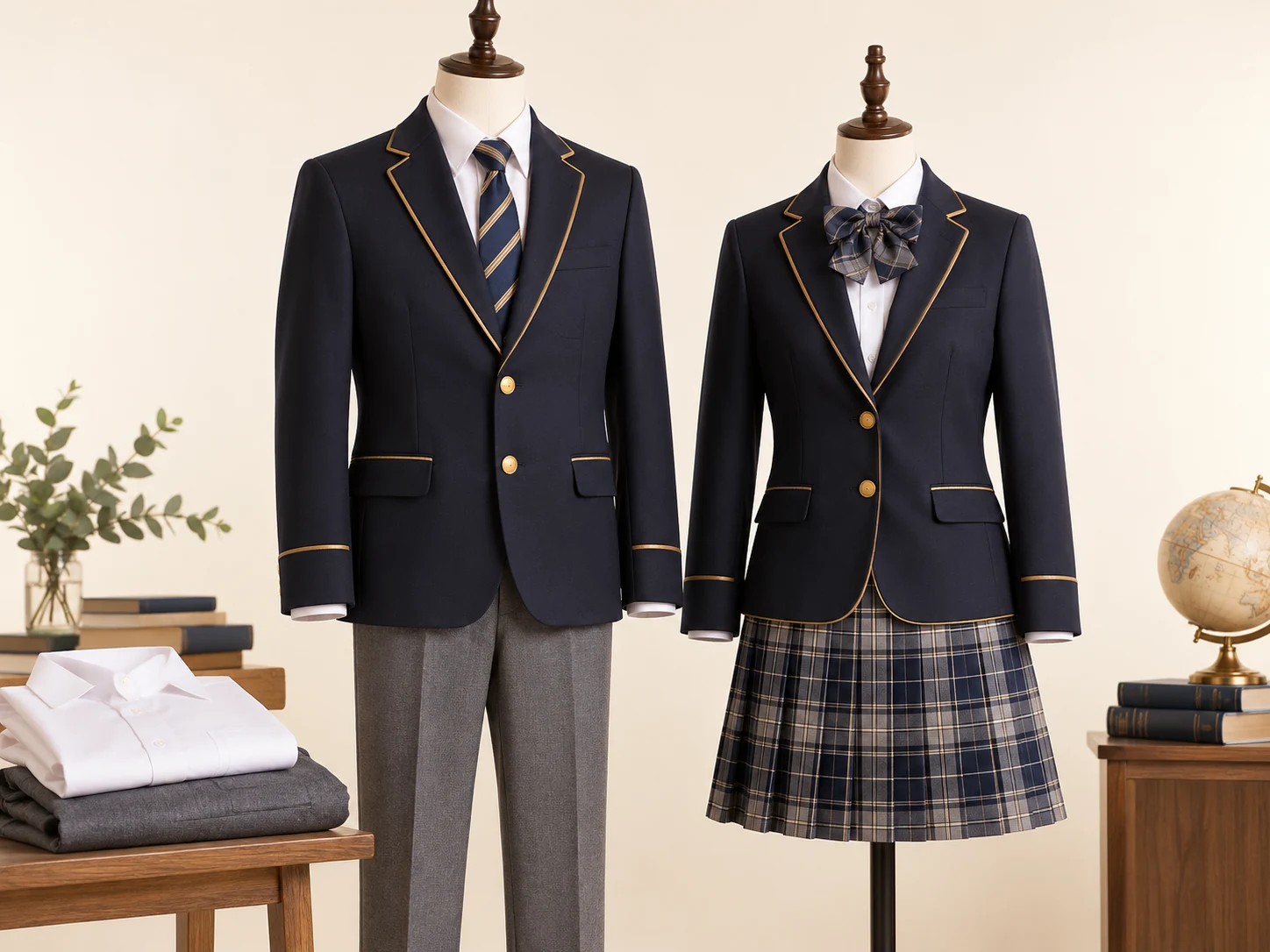
Six students in coordinated green school uniforms — original AI scene illustration
School Uniforms
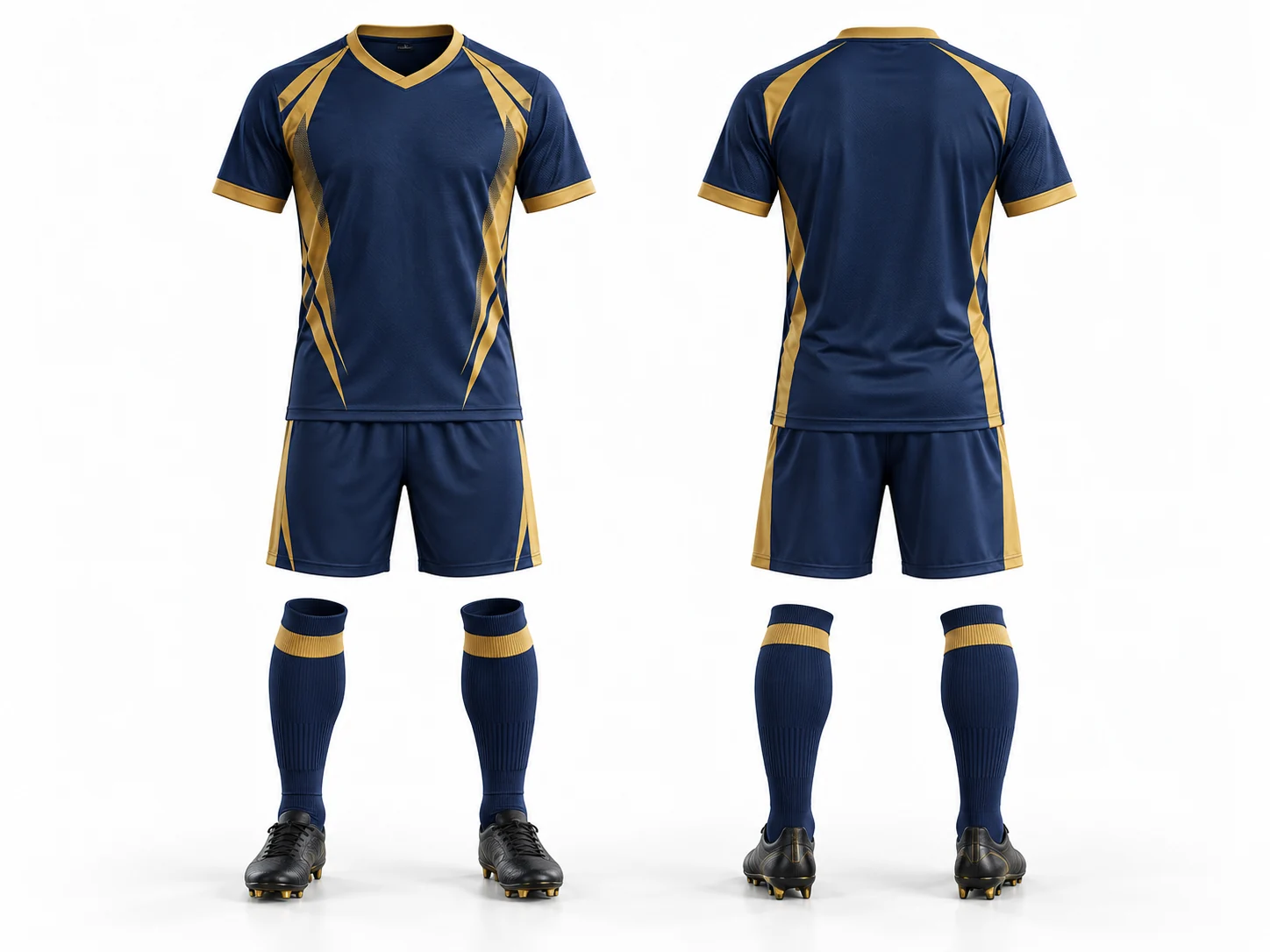
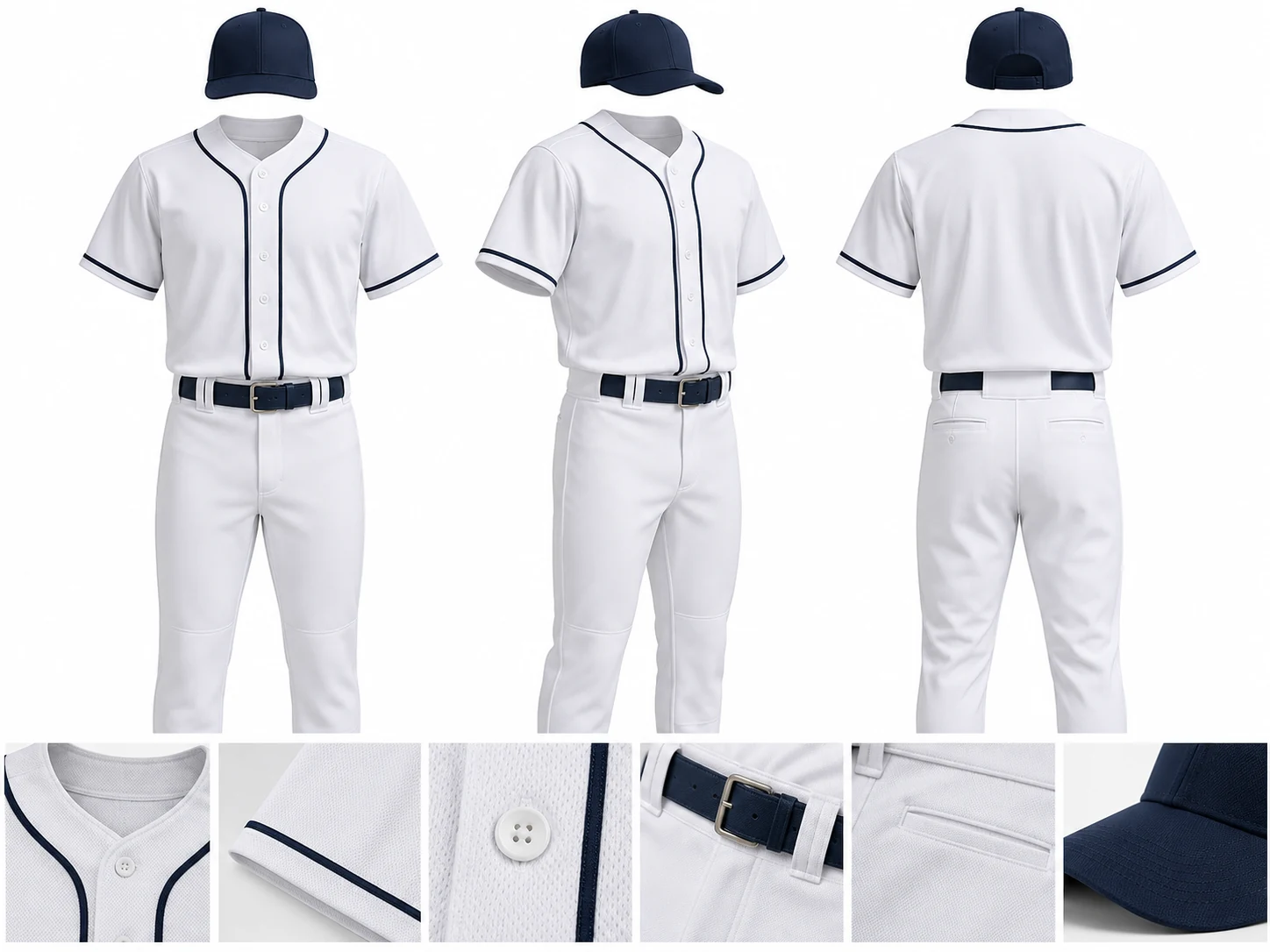
A youth baseball team in matching pinstripe kits — original AI scene illustration
Team Sports
Testimonials

From purchasing teams
who know the details matter.

Illustrative buyer feedback for layout review — fictional identities, sample narratives and generated portraits; not verified customer endorsements.

“We used to collect uniform orders separately from six campuses. The same size label could mean a different fit, and the green knitwear changed shade whenever we reordered. Our school offices spent too much time sorting exchanges instead of preparing for the new term.

For this sample program, the Washedloom team brought the fit set, fabric weight and color references into one approval. We reviewed the shirts and knitwear after washing, checked the size chart with each campus and agreed the packing breakdown before the order moved forward.

The modelled 4,800-set rollout reached 99.1% size acceptance and reduced annual uniform spend by 18%. More useful than the saving was having one reference for the next order — we could finally tell every school exactly what they would receive.”

Generated illustrative buyer portrait; Charlotte Bennett is a sample identity
Charlotte BennettSchool Operations Director — sample identity

“Our clinic managers kept sending photographs of uniforms that were supposed to match. One delivery was a different navy; the next fitted differently through the shoulders. Ordering more garments never fixed the reference problem.

In this illustrative partnership, Washedloom started with our department colors and the wash routine. The team worked through a complete fit set, kept the accepted swatches with the sample file and made the clinic-by-clinic carton breakdown part of the approval.

The 12-clinic scenario covered 3,200 sets, with 98.8% fit acceptance and 22% less replacement spend. We had a defined test plan, the material-document review and an agreed point of contact — a much clearer way to manage the repeat order.”

Generated illustrative buyer portrait; Monica Brooks is a sample identity
Monica BrooksHealthcare Procurement Director — sample identity

“I had a clear idea for a canvas work jacket, but the first sample from another source looked right only on a hanger. The pocket openings felt weak, the sleeve movement was limited and the embroidery pulled the fabric around the chest.

For this illustrative order, Washedloom reviewed the construction with us before we approved the next sample. We specified 12 oz canvas, reinforced stress points and tested the logo on the actual jacket fabric. The woven label, care information and carton marks were checked together instead of being added at the end.

The sample story follows a 300-piece first run and a planned 1,000-piece reorder. Having the signed sample and decoration settings together made the next step feel manageable. The useful part was knowing which details would stay consistent as the order grew.”

FAQ

Questions procurement teams
ask before ordering.

Get the fabric, fit, commercial terms and document requirements into the same conversation.

What is your minimum order quantity?

The draft production basis is from 50 pieces per style or SKU, following the reference homepage. Confirm the final MOQ against the fabric, colors, decoration and size mix in your quotation. Sampling, reorder minimums and any sample-fee credit must be agreed for the specific order.

How long do sampling, production and delivery take?

They are separate stages. Draft planning references are 5 business days for sampling and 15–20 days for bulk production after final sample approval. Fabric readiness, revisions and capacity can change the schedule. Freight starts after dispatch and depends on transport mode and destination; it is not part of the production window.

What decides whether a pre-production sample is approved?

Agree the points of measurement, graded size chart, fabric, color reference, construction and decoration first. A draft reference tolerance is ±0.5 in (1.3 cm); a color target such as ΔE ≤ 1.5 is meaningful only with an agreed method, instrument and material. Verify the actual sample under the intended wash routine, and record any required reports before approval.

Which certifications and compliance documents can be reviewed?

The confirmed management and assessment framework includes ISO 9001, ISO 14001, ISO 45001, OEKO-TEX STANDARD 100, SMETA and amfori BSCI. SMETA and BSCI are social audit programs. For ANSI/ISEA 107, NFPA 2112, EN ISO 20471 or other product requirements, confirm the exact garment, material and relevant evidence. No certificate number, validity or blanket product certification is assumed here.

Can you develop a uniform from an existing garment?

A reference garment helps define fit, fabric weight, seam construction and hardware. Pair it with a written brief explaining what should stay and what should change. Review the proposed material and measurements in the sample before approving bulk production; the quotation should define the development scope and schedule.

How should color consistency be controlled between orders?

Retain an approved physical swatch and a defined color reference by style. Agree dye-lot checks, lighting conditions and any instrumental tolerance before production. Keep the accepted lot and sample records so a repeat order can be compared with the same reference instead of a color name on a screen.

What fabrics and technical textiles can be considered?

Review TC/CVC poly-cotton blends for care and durability; cotton canvas for structure; polyester performance and sublimation fabrics; ripstop for reinforcement; and stretch constructions for movement. FR-treated cotton, aramid blends, abrasion-resistant nylon, waterproof membranes and antistatic textiles require a product-specific sourcing and testing review. Specify fiber content, GSM or oz/yd², finish and care method together.

How are designs and intellectual property handled?

Before exchanging confidential patterns or artwork, agree confidentiality, ownership, permitted use and access requirements in writing. Identify the final approved files and control revisions for sampling and bulk. Specific NNN terms, storage controls and legal arrangements need to be established for the actual project; this preview does not claim an agreement has already been signed.

Let’s define your uniform program.

Share your garment references, team roles, quantity and target delivery date. Build a clear starting point for fabric selection, sampling and production.

Define your uniform program

Preview interaction only. Nothing is sent or stored.

Page planned

This review contains the homepage only. Other pages will be prepared individually after approval.

Find a uniform