Skip to content
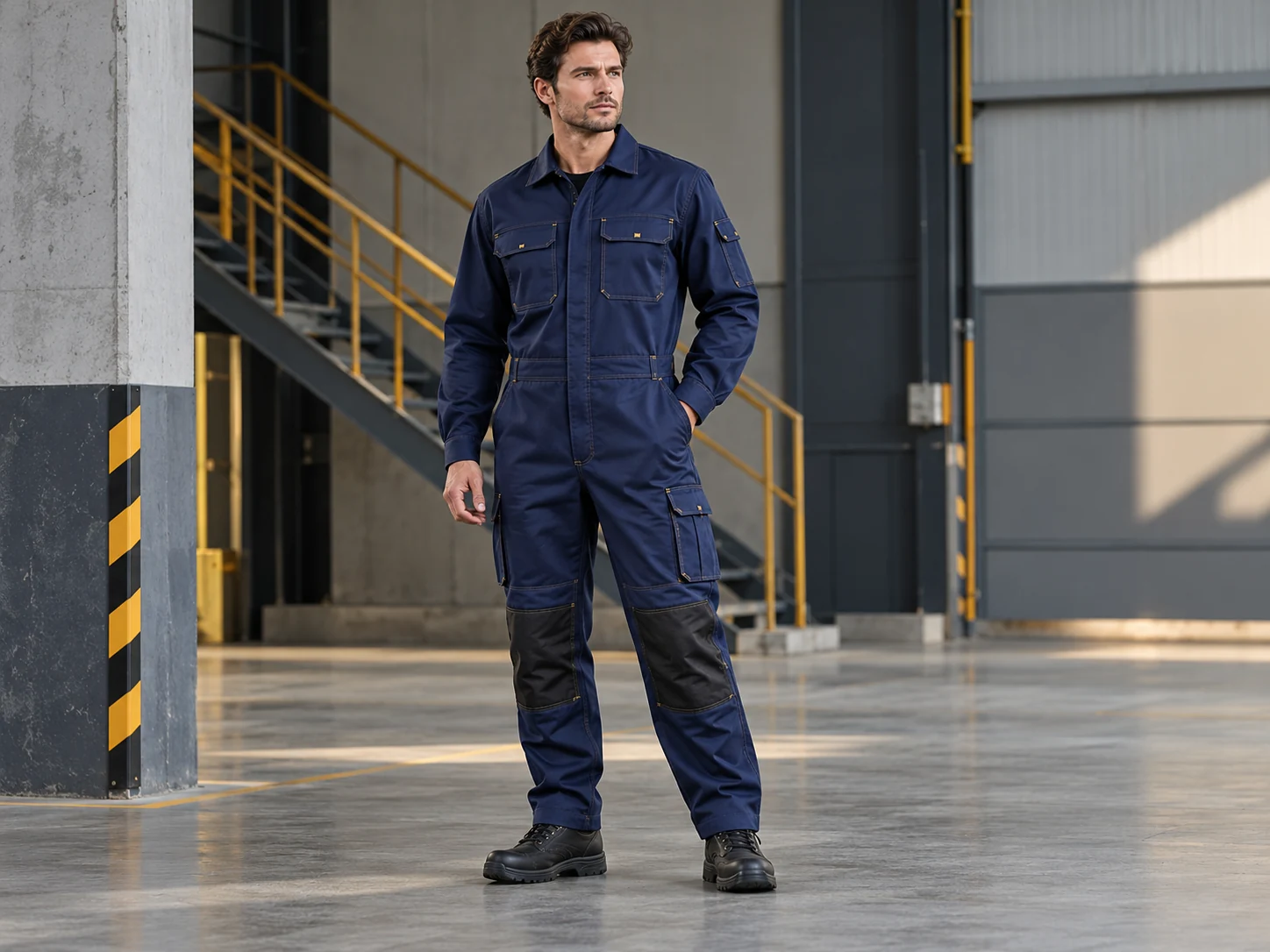
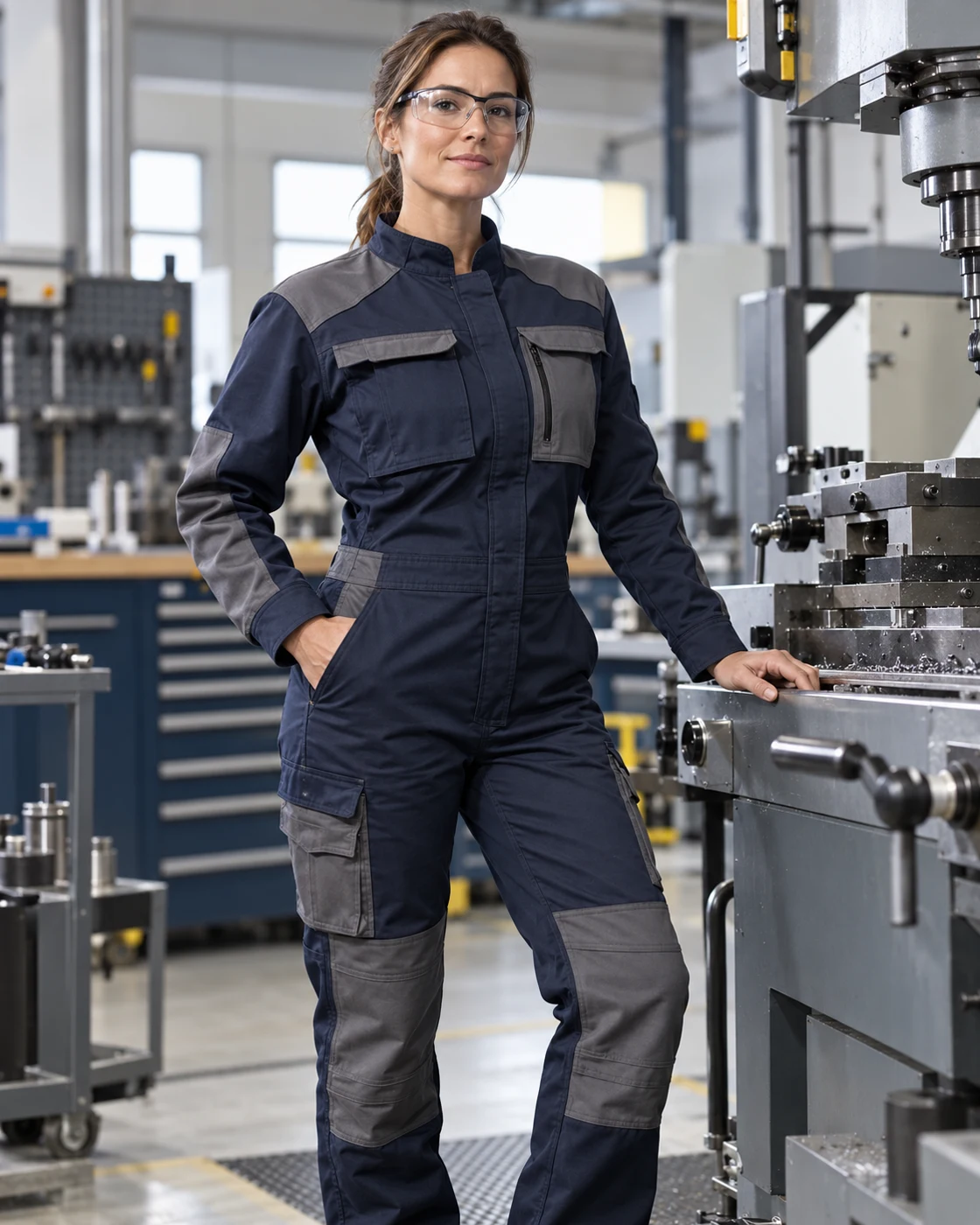
Illustrative mechanical engineer in navy and graphite reinforced coveralls

Custom Mechanical Engineer Uniform Manufacturer — Built for the workshop. Ready for your brief.

Reinforced coveralls, technical shirts and engineered layers for the people who keep machinery running. Specify the wear zones, fit and wash routine up front—then approve the actual garment before bulk. From 50 pieces per style.

280 g/m²High-density fabric brief
≥85 NTear-strength target · warp / weft
50,000 rubsMartindale abrasion target
≤1.5%After-wash shrinkage target
Product categories

Custom mechanical engineer
uniform product categories.

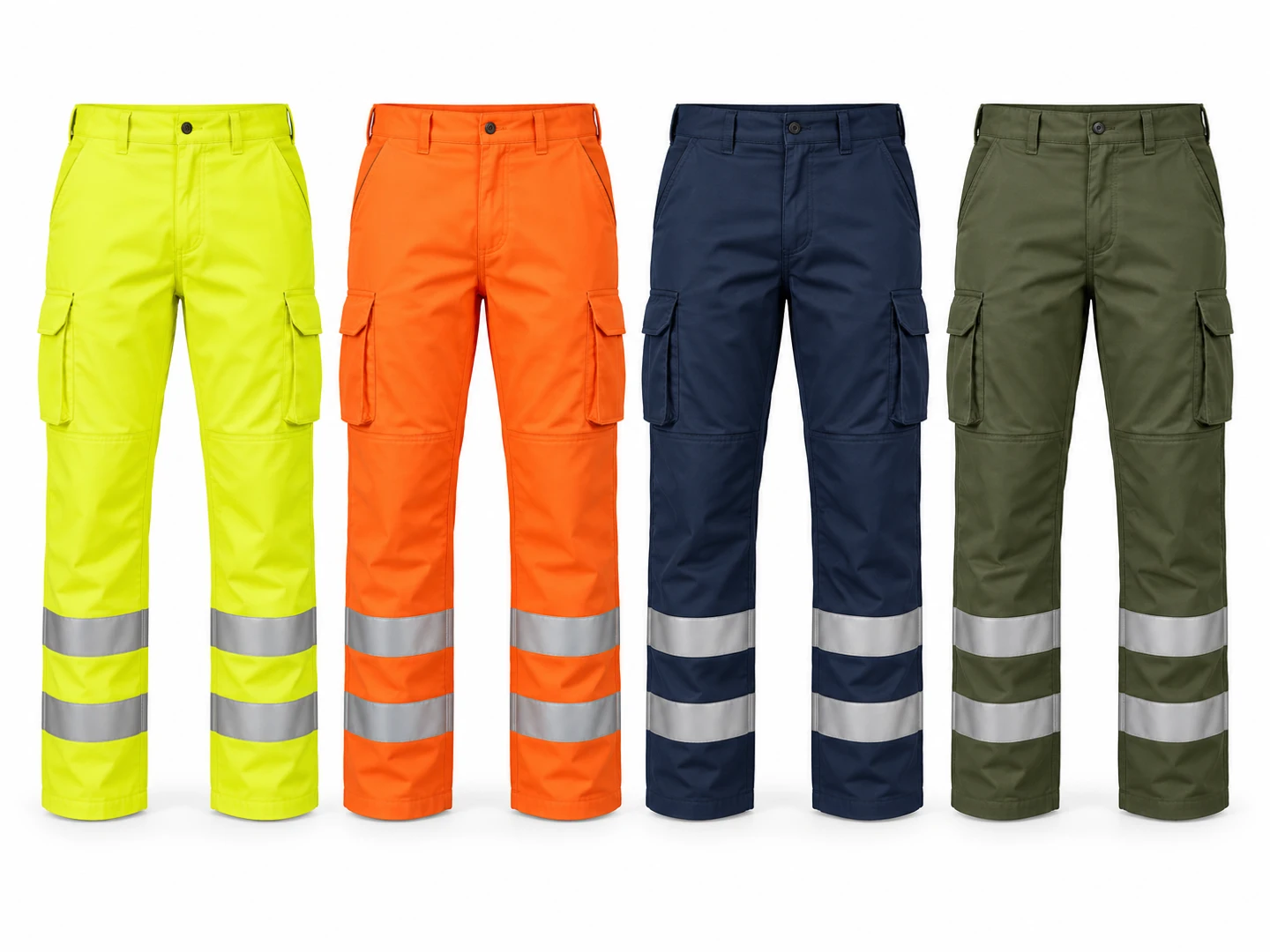
Nine garment directions for workshop, service and engineering teams. Coordinate the look; specify protection and construction separately for each role.

Problems we solve

Four uniform failures.
Four decisions that prevent them.

Put reinforcement, protective evidence, charge control and crew fit into the purchase specification—before they become a shop-floor problem.

CASE 001Machine shop / workshop

Stop the seam becoming the replacement date.

THE PROBLEM

Kneeling, climbing and repeated contact with equipment punish the crotch, knee and pocket corners first. A low unit price loses its value when the same weak area fails again.

THE FIX

Develop 12oz+ canvas with triple-stitched main seams, bartacks and a gusseted crotch. Set a 60-cycle laundering evaluation for the selected construction and inspect the high-wear zones before release.

CASE 002Welding bay

Buy the FR specification—not the label.

THE PROBLEM

A generic FR certificate does not establish the protection of the delivered coverall. The fabric, garment design, trims and care procedure must match the risk assessment.

THE FIX

Compare treated cotton and genuine aramid options against the required NFPA 2112 / EN ISO 11612 scope. Put a 50+ cycle care-validation target in the brief where applicable and match the report to the exact style.

CASE 003ESD-sensitive zones

Build charge control into the clothing system.

THE PROBLEM

A temporary surface treatment and a conductive-fibre construction are different purchasing decisions. Neither removes the need to check grounding, seams and performance after laundering.

THE FIX

Specify TC with conductive carbon fibre, the relevant EN 1149 / ESD requirement and the post-care test. Assess clothing with footwear and the workplace system; retain the lot reference for the next run.

CASE 004Multi-site teams

Order the sizes your crew actually wears.

THE PROBLEM

A stock size ratio can leave a small engineer swimming in fabric and a large mechanic unable to reach comfortably. Poor fit also creates snagging and movement problems.

THE FIX

Develop 10 size bands, XS–6XL, with women’s and unisex cuts as required. Confirm headcount by role and site, approve a size set and record the finished-garment chart before cutting.

Fabric selection guide

The six fabrics behind
your engineering uniform program.

Compare composition, construction and application together. Hero performance figures are selected-material development targets; the order defines the test method and acceptance criteria.

FABRICSTRENGTHS & SELECTIONBEST FORWEAR ZONES
Poly-Cotton TC texture illustration

Poly-Cotton TC

DAILY-WEAR WORKHORSE65/35 · 80/20 · 50/50
STRENGTHS

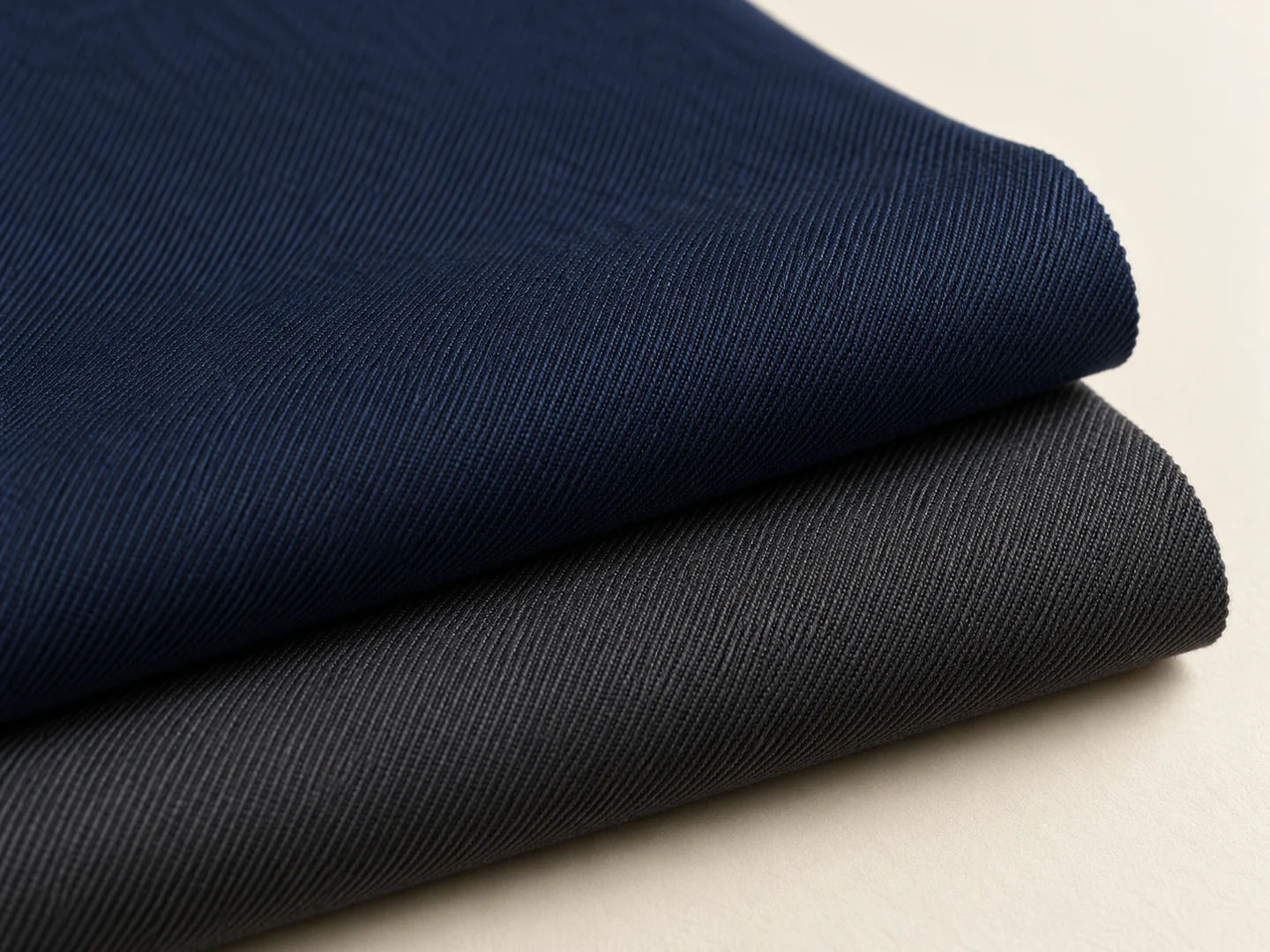
Abrasion-focused blends; easy-care finish options; balanced comfort and cost. Name the blend order and approve shrinkage / colourfastness.

BEST FORMachiningAuto repairWEAR ZONESShirtsPantsCoveralls
100% Cotton texture illustration

100% Cotton

COMFORT FIRST240–300 g/m²
STRENGTHS

Breathable, absorbent natural fibre with a soft hand. Review after-wash fit. Ordinary cotton is not flame-resistant.

BEST FORWarm indoor workSummer crewsWEAR ZONESShirtsPolosCoveralls
Cotton Canvas texture illustration

Cotton Canvas

REINFORCED WEAR ZONES12oz+ · approx. 407 g/m²+
STRENGTHS

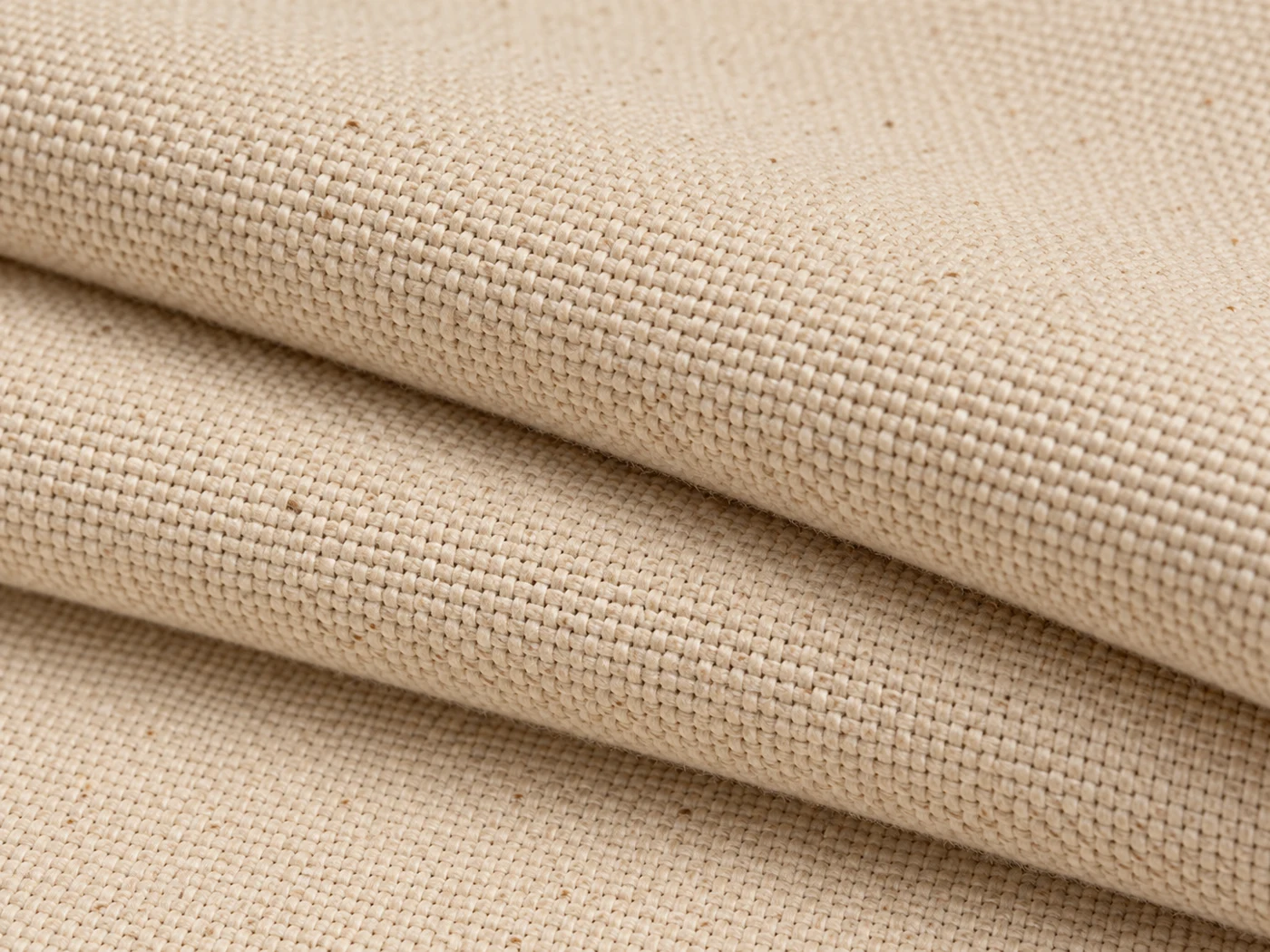
Heavy plain weave for abrasion-prone areas. Pair weight with tear / seam testing and reinforcement that still allows movement.

BEST FORHeavy maintenanceKneeling workWEAR ZONESCoverallsKneesElbows
Nylon / Polyamide texture illustration

Nylon / Polyamide

HIGH-FRICTION OPTIONSBlends / 100%
STRENGTHS

High abrasion and tear potential by grade. Check heat and chemical compatibility; a nylon label is not a universal chemical barrier.

BEST FORHigh-friction mechanical rolesWEAR ZONESWork pantsJacketsOverlays
Flame-Resistant Fabrics texture illustration

Flame-Resistant Fabrics

HAZARD-SPECIFICFR Cotton · Aramid · FR TC
STRENGTHS

Select the tested fabric / garment system for the required heat or flame exposure. Arc rating is established by the specific tested construction.

BEST FORAssessed weldingCuttingSparksWEAR ZONESFR coverallsWelding jackets
Anti-Static Fabrics texture illustration

Anti-Static Fabrics

SYSTEM-BASED ESD CONTROLTC + conductive fibre
STRENGTHS

Conductive yarn helps dissipate charge within a suitable grounding system. Verify the relevant test and performance after the agreed care cycles.

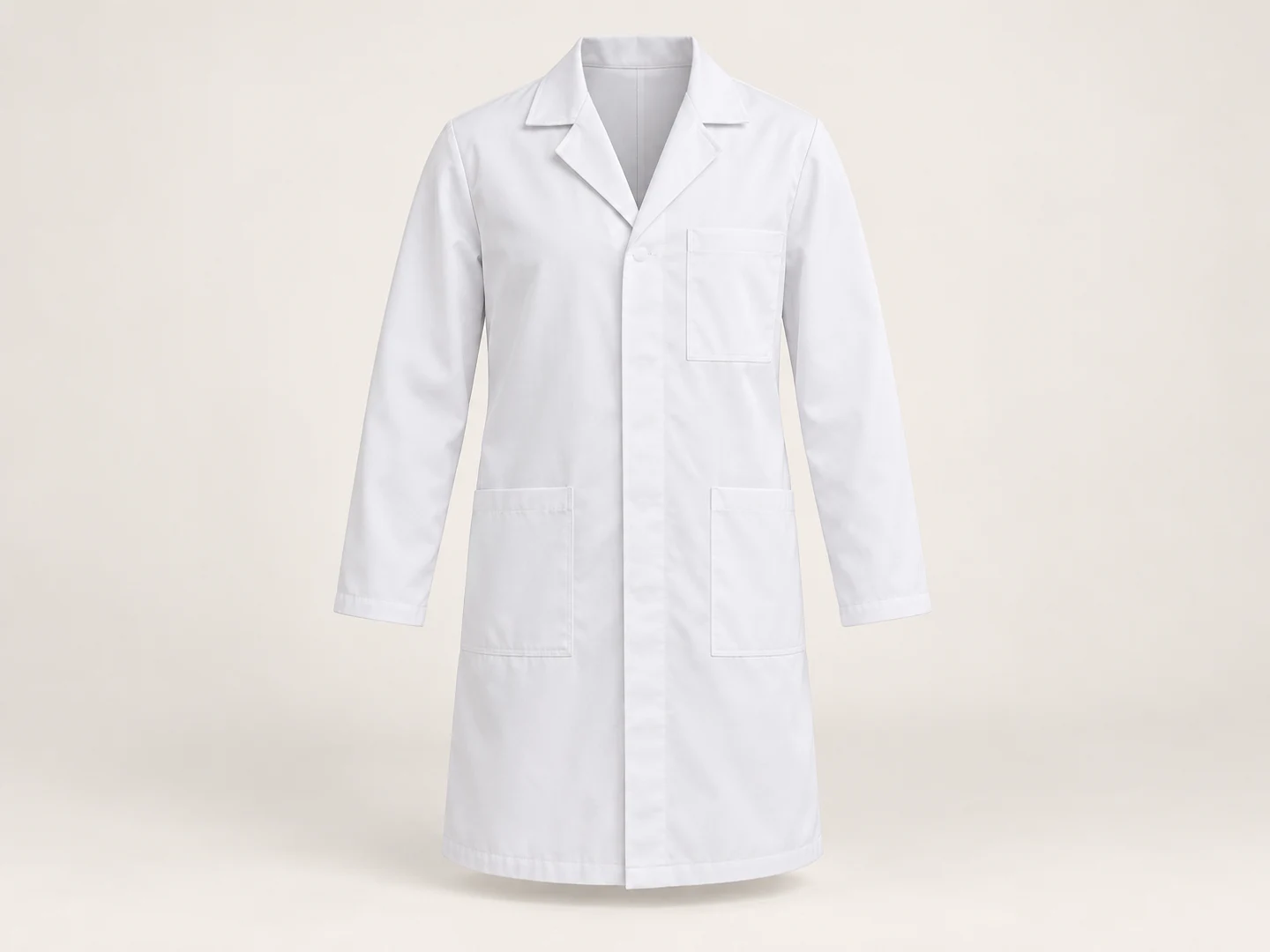
BEST FORElectronicsAssessed process areasWEAR ZONESESD shirtsEngineer lab coats

Send the working environment, laundering process and hazard brief. We’ll narrow six material routes to a specification your team can approve.

Customization services

Your uniforms. Your specification.
Your brand, fully connected.

Four customization decisions connect the approved pattern to the final label. Resolve them once and keep them in the reorder file.

Design & Pattern Engineering

Start from your tech pack, sample or sketch. Define pocket access, articulated sleeves, gussets and reinforcement before grading. Plan a 5-business-day sample for the agreed design so your team can handle the garment before bulk cutting.

Size Grading & Fit

Build the order around XS–6XL and your wearer counts. Confirm women’s / unisex cuts, base layers and movement allowance on a size set. Allocate quantities by size and role; agree any special-size terms in the quote.

Colours & Brand Identity

Use a physical shade reference and Pantone brief to approve the dye lot. Coordinate woven labels, hang tags and trims in the same bill of materials. Retain the approved swatch so replenishment starts from a measurable colour standard.

Printing & Marking Methods

Choose screen print, reflective transfer or sublimation according to the textile and care process. Send artwork at the quoting stage; approve a strike-off or sew-out with measured placement before releasing the production file.

Branding & identification

One clear identity.
Across every garment.

Three ways to keep company, department and wearer identification consistent through a demanding uniform program.

🧵

Embroidery & High-Density Printing

Make the company, department and wearer easy to identify. Approve thread / ink colour, backing and wash appearance on the production textile. Protective garments need compatible decoration materials and construction.

✨

Reflective Logo Options

Chest, back and sleeve identification can improve recognition in low light. Specify the actual reflective film and application process; preserve the required visible areas. A reflective logo does not by itself establish a hi-vis class.

🎯

Consistent Placement Across Items

Keep one measured placement library for jackets, trousers, coveralls and vests. Record logo width, offsets and colour references by style and size. Reorders then start from an approved file instead of a new interpretation.

Global distribution

One production brief.
Ready for a multi-site rollout.

Coordinate the pilot and the rollout through one approved specification. Keep styles, size counts, artwork and destination allocations together so the uniform arriving at each site matches the same reference.

Use PO-linked material and packing records, department allocation and agreed carton marks to make receiving straightforward. Plan production and freight separately; review the delivery term and route against your required arrival date.

15,000 m²Manufacturing Facility
130Employees
10Production Lines
500,000Pieces Annual Production Capacity
Owner-supplied actual garment manufacturing floor supporting the uniform production program
Certifications & documentation

The record behind the garment.
Matched to your order.

Management systems, material tests and PPE conformity cover different scopes. Review the named organisation, exact product and applicable evidence before approval.

ISO 9001 original reference-site document

ISO 9001

Quality management record

OEKO-TEX STANDARD 100 original reference-site document

OEKO-TEX STANDARD 100

Material-specific record

CE original reference-site document

CE

EU marking documentation

EN ISO 11612 original reference-site document

EN ISO 11612

Heat & flame documentation

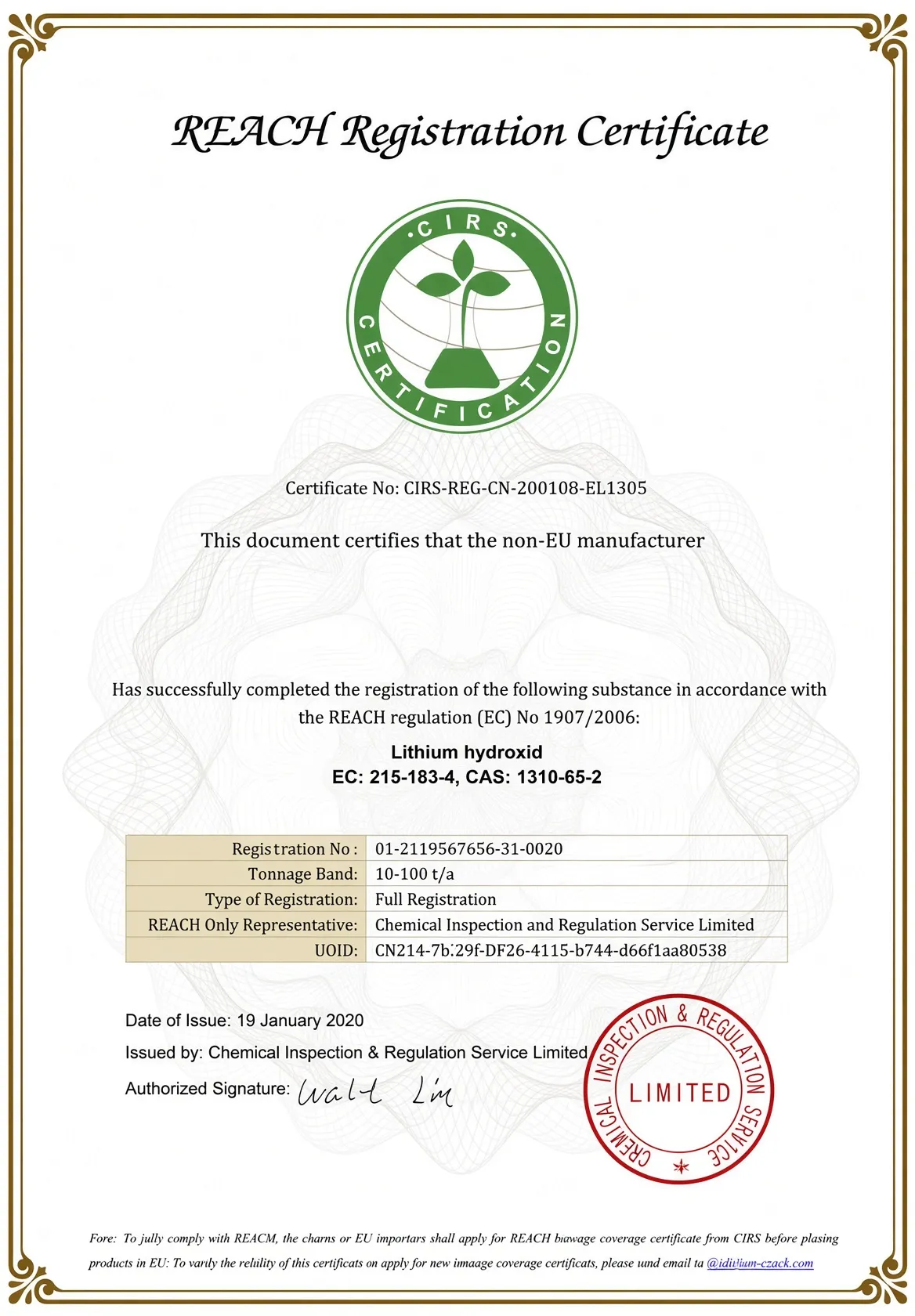
REACH original reference-site document

REACH

Substance registration record

In the field

On the job.
Where the work happens.

Machine-shop workwear original illustrative application scene
Machine-shop workwear
Engineering inspection original illustrative application scene
Engineering inspection
Field maintenance original illustrative application scene
Field maintenance
Plant operations original illustrative application scene
Plant operations
Infrastructure service original illustrative application scene
Infrastructure service
Equipment & logistics original illustrative application scene
Equipment & logistics
Buyer perspectives

The numbers procurement
can build a decision around.

Two illustrative procurement programs—not historical customer results. Quantities show how to specify, compare and distribute a mechanical uniform order.

“

Planning example: 420 mechanics across 3 plants. Two issues per person create an 840-piece opening requirement before spares. Divide quantities by role, site and size, then compare the same construction and delivery scope across quotations.

For high-contact roles, build the brief around 12oz+ canvas, reinforced knees, a gusseted crotch and triple-stitched main seams. Compare the selected material against the ≥85 N tear and 50,000-rub abrasion targets, with the method and acceptance limits agreed in the PO. Validate fit and after-wash dimensions on the production cloth.

Track issue date, laundry frequency and failure location instead of assuming a universal garment lifetime. A retained sample, graded chart and measured logo file give the next order a controlled starting point—and make a replacement-cost comparison possible.

Illustrative procurement portrait
Mechanical Fleet ProcurementIllustrative purchasing scenario
“

Planning example: 1,150 technicians across 6 sites. Build separate garment briefs for mechanical work, welding and assessed ESD areas. An opening allocation of 2,300 garments can represent two issues per person, with spares and specialist layers costed separately.

Approve the applicable FR or ESD construction and match every required report to its exact style. Keep test scope, care instructions, trim references and lot identification together. Agree size counts across XS–6XL and pack by site / department so receiving does not become a sorting job.

Plan the agreed sample in 5 business days and bulk in 15–20 days after approval, with specialist testing and freight separate. Establish the evidence list before production, so garment readiness and document readiness follow the same milestone plan.

Illustrative procurement portrait
Engineering HSE & SourcingIllustrative purchasing scenario
FAQ

Questions procurement teams
ask before they commit.

Bring your wear, fit, protection and delivery questions into the brief.

We outfit 60 mechanics and welders. What is the MOQ and how is the price built?

Start from 50 pieces per style. Split mechanical and welding garments into the correct fabric / protective brief, then allocate sizes within each style. The quote identifies fabric, trims, labour, decoration, packaging, testing and delivery scope. For a 60-person crew, two issues per person would mean 120 garments before spares; mixed protective styles may have separate minimums. Send the breakdown for a usable landed-cost comparison.

How do I select FR clothing that remains suitable after laundering?

Define the hazard and applicable garment standard first. Compare the exact treated-cotton or genuine aramid material and finished construction, with performance after the specified care procedure. A 50+ cycle evaluation can be part of the selected development brief. Inherent fibre flame resistance does not make every garment permanently arc-rated; damage, contamination and retirement instructions still matter.

Which fabric do you recommend for heavy mechanical wear?

For general machining and assembly, consider TC blends such as 65/35. For sustained kneeling and equipment contact, compare 12oz+ cotton canvas and reinforced wear zones. Nylon overlays may help abrasion but need a heat / exposure compatibility review. Agree the test method for targets such as 280 g/m², ≥85 N tear, 50,000 Martindale rubs and ≤1.5% shrinkage on the selected fabric; these are not blanket results for every option.

Can one order cover mechanics, welders and supervisors with different fabrics?

Yes. Coordinate the order while retaining a separate style brief and evidence file for each role. Canvas coveralls, suitable FR garments, anti-static lab coats and supervisor shirts need different construction and care decisions. Keep the colour and identification system consistent, then pack by site, department and size. Material availability and specialist tests are scheduled by style.

How do you handle XS–6XL and women’s sizing?

Send wearer counts and measurements by role. Develop the 10-band XS–6XL range with the required women’s and unisex cuts, layering allowance and movement checks. Approve a size set and the finished-garment measurement chart before bulk. Special-size quantities, pattern changes and any related commercial terms belong in the quotation.

Which certificates and test records should be included?

Agree a style-specific evidence list in the PO. ISO 9001 covers the named quality-management system; OEKO-TEX has a defined material scope. CE obligations depend on the exact PPE and market. EN ISO 11612 evidence must cover the relevant protective construction, while REACH documentation concerns applicable substance obligations. Do not substitute a management certificate or a marking guide for a product report.

What are the sample and production lead times?

The draft planning basis is 5 business days for the agreed sample and 15–20 days of bulk production after final sample approval. Fabric readiness, specialist tests and freight are separate. Our confirmed factory scale is 15,000 m², 130 employees and 10 production lines, with 500,000 pieces annual production capacity. Rush requests are reviewed against materials and current workload before a date is agreed.

What should I send to start a mechanical engineer uniform program?

Send the garment types or current uniform, quantities by role / size, working environment, laundry process and any hazard assessment. Include branding artwork, destination, required arrival date and target budget. We use those inputs to define the fabric and construction brief, quote the agreed scope and prepare the approval sample before bulk production.
Your engineering uniform program

Let’s define
your next uniform order.

Send the crew breakdown. Get a coordinated proposal for the fabrics, garments, branding and delivery plan.

Define your uniform program

Preview interaction only. Nothing is sent or stored.

Page planned

This preview contains the Workwear page. Related pages are recorded for later development.

Find a uniform