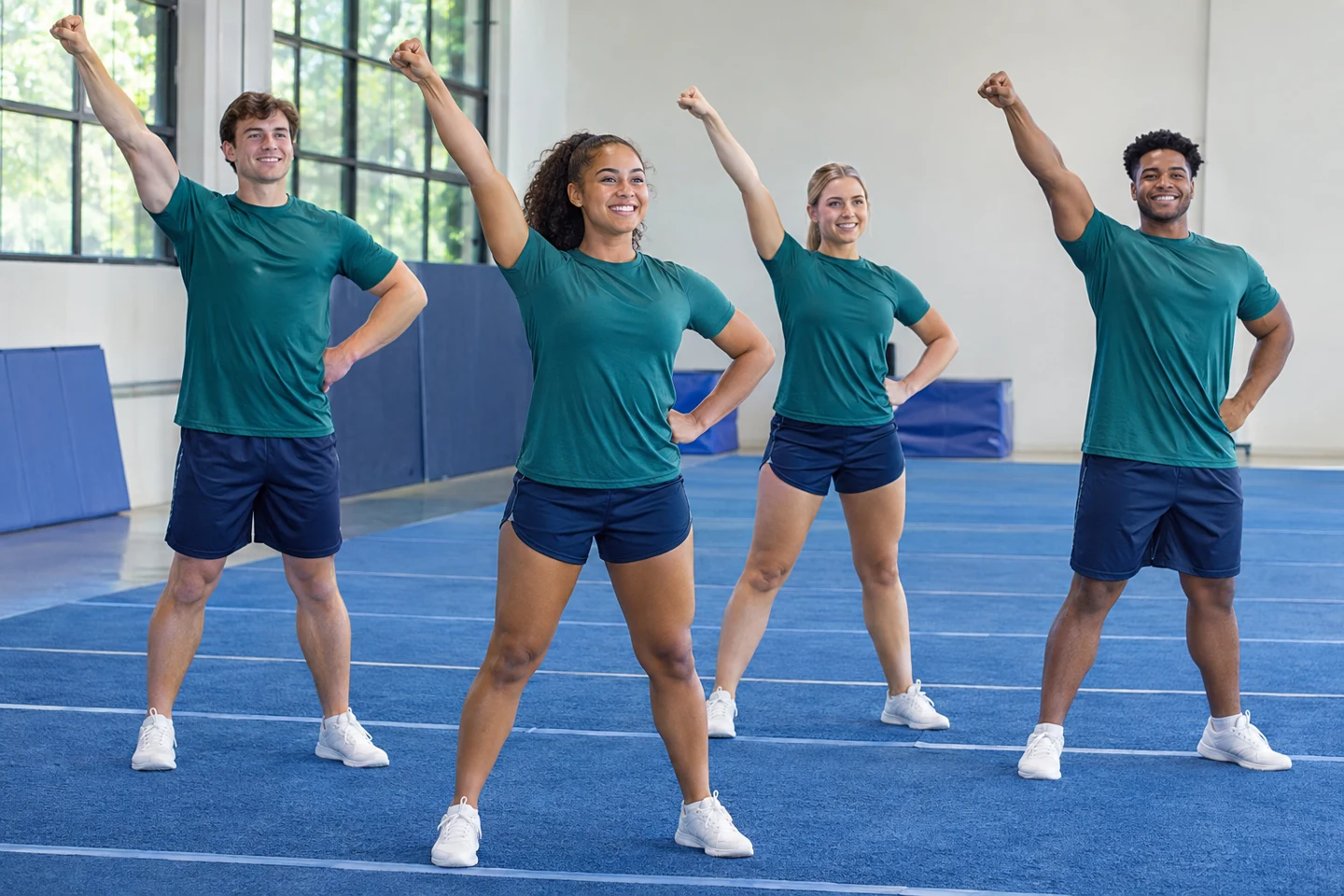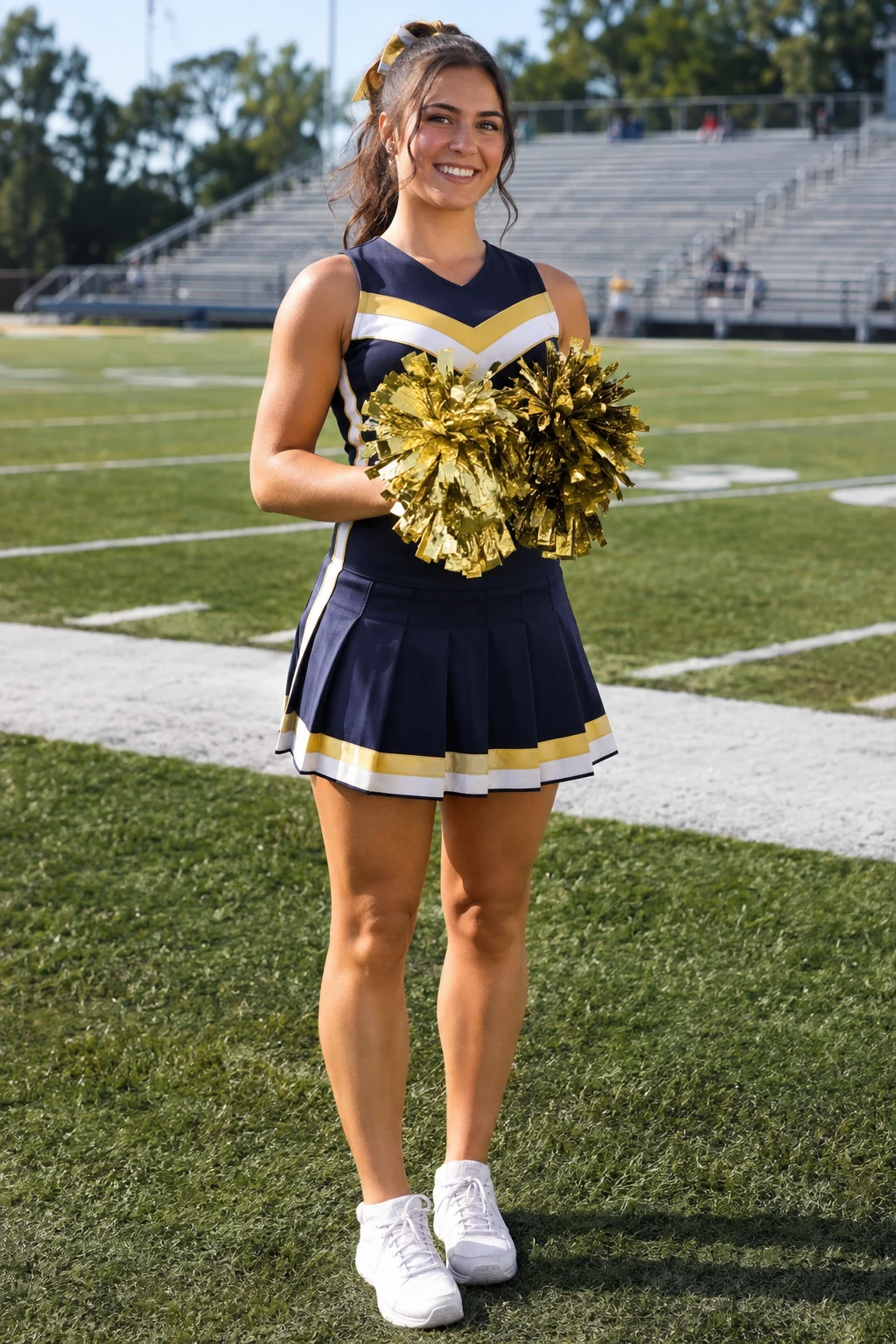
Custom Cheerleading Uniform Manufacturers — one coordinated team, from 50 sets.
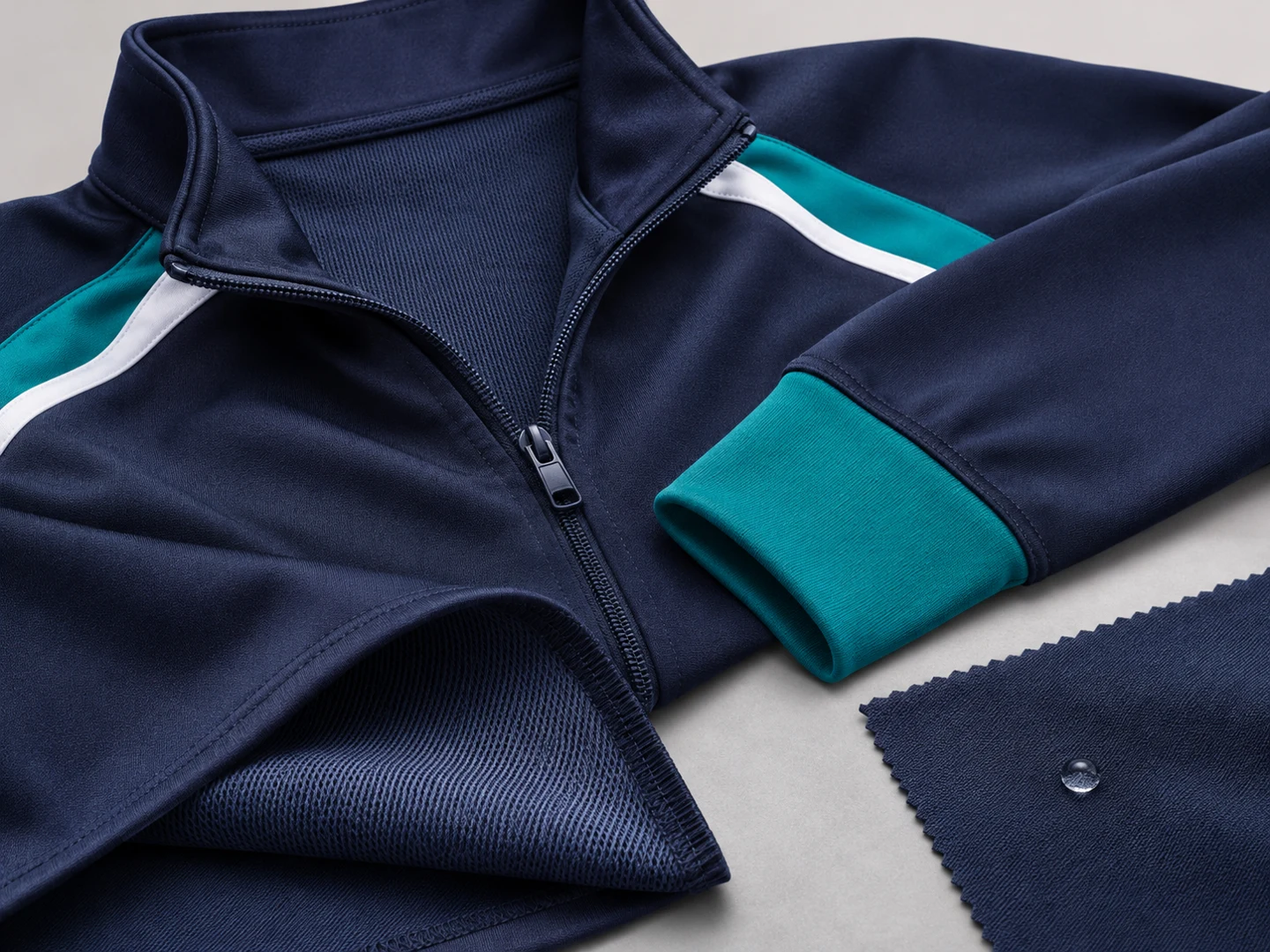
Design the uniform around the routine: a 280 GSM four-way stretch shell, a double-knit skirt for defined pleats, and lined mesh panels where the athlete needs ventilation.
Develop sizes XS–3XL with fit adjustments, and approve shell, skirt and warm-up colours together on the actual fabrics. Set a ±2mm decoration placement target on the artwork. Standard bulk-production planning is 25–30 days after sample approval.
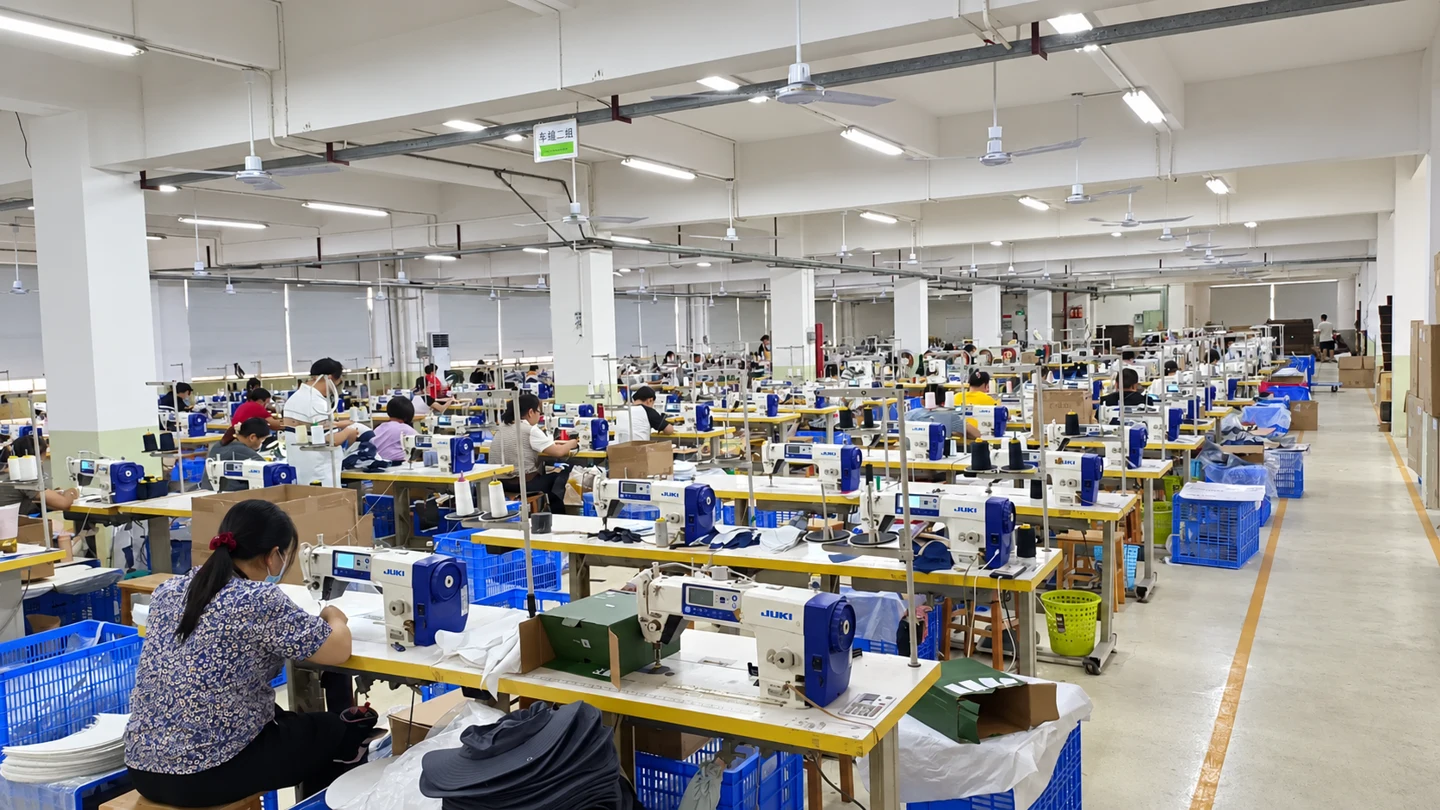
15,000 m²Manufacturing Facility
130Employees
10Production Lines
500,000 PiecesAnnual Production Capacity
Product Categories
Choose your custom cheer style.
Competition shells, coordinated skirts, training sets and finishing accessories — specified together for your gym, school or private label.
Have a different cut, combination or teamwear concept?
Fabric Technology
The right fabric for each part of the routine.
A fitted bodice, a ventilated side panel and a structured skirt do different jobs. Develop them as one uniform while choosing each fabric for its function.
01 / 04
Shell · fitted bodice
Four-Way Stretch Spandex
✓
Develop stretch in both directions for kicks, jumps and floor work.
✓
Choose warp-knit construction for a stable stretch response.
✓
Review support and opacity on the lined fit sample.
✓
Use a 280 GSM / ≥95% recovery brief with an agreed extension and recovery test.
A fitted shell should recover after movement; check it through a full routine.
280 GSM · 4-way stretch · ≥95% recovery target
Back · underarm & side panels
Performance Vent Mesh
✓
Map breathable panels to the high-heat areas.
✓
Use an opaque liner wherever coverage is required.
✓
Check the assembled panel under stretch and strong lighting.
✓
Approve the print on the mesh alongside the solid body fabric.
Ventilation and coverage are a panel-and-lining decision, not a promise about every mesh.
Breathable · lined where needed · printable
Skirt · pleats & stable panels
Structured Double-Knit Polyester
✓
Select a heavier knit for body and a stable drape.
✓
Develop pleat depth and hem construction as part of the pattern.
✓
Assess snagging, abrasion and colourfastness on the selected cloth.
✓
Compare the skirt after movement and the intended care routine.
Keep the pleat definition without making the skirt unnecessarily heavy.
Structured hand · pleat definition · stable hem
Warm-up · training & base layers
Moisture-Wicking Polyester
✓
Choose a lighter construction with a soft hand.
✓
Use capillary-action knits to spread perspiration across the cloth.
✓
Review drying, snagging and comfort on the selected sample.
✓
Coordinate the warm-up fabric with mesh or stretch panels.
Build a practical training and travel layer alongside the competition set.
Quick-dry options · capillary knit · soft hand
Need another weight, recycled-polyester option or knit construction? Set the target GSM and composition in the brief. Incoming roll weight can be checked to an agreed ±5% tolerance, with the relevant fabric tests specified before cutting.
Printing Methods
Choose how the artwork becomes the uniform.
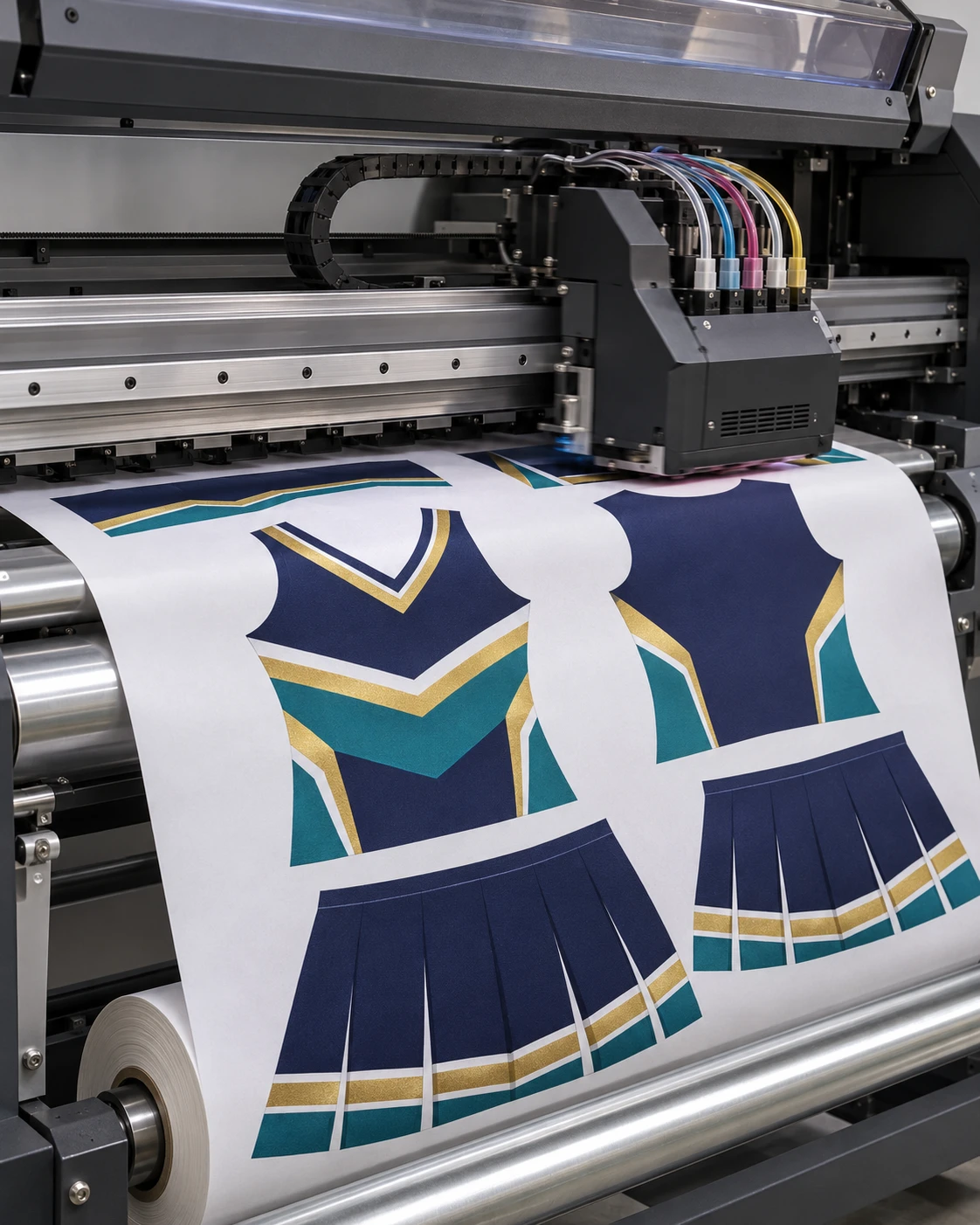
Dye-sublimation suits compatible polyester panels. Screen printing and heat transfer offer different advantages for solid marks, individual names and repeat orders.
The Mainstream Method
Dye-Sublimation — colour within the fabric.
Develop the shell, skirt and warm-up from one approved artwork file and colour standard. Match swatches on each actual fabric: different constructions do not automatically produce identical colour from the same print recipe.
✓
Transfer dye into suitable polyester using a validated heat-and-pressure recipe; around 200°C is a development starting point, adjusted to the ink, paper and cloth.
✓
Build full-colour CMYK, bright hues and metallic-effect artwork on a light base. Printed metallic effects do not contain metallic foil.
✓
Map the panels before cutting and check where the graphics meet at seams.
✓
Integrate authorised team lettering, athlete numbers and sponsor marks into the artwork.
✓
The dyed graphic has no separate film edge; assess colour and garment appearance after the intended wash routine.
Screen Printing
Solid logos & repeat graphics
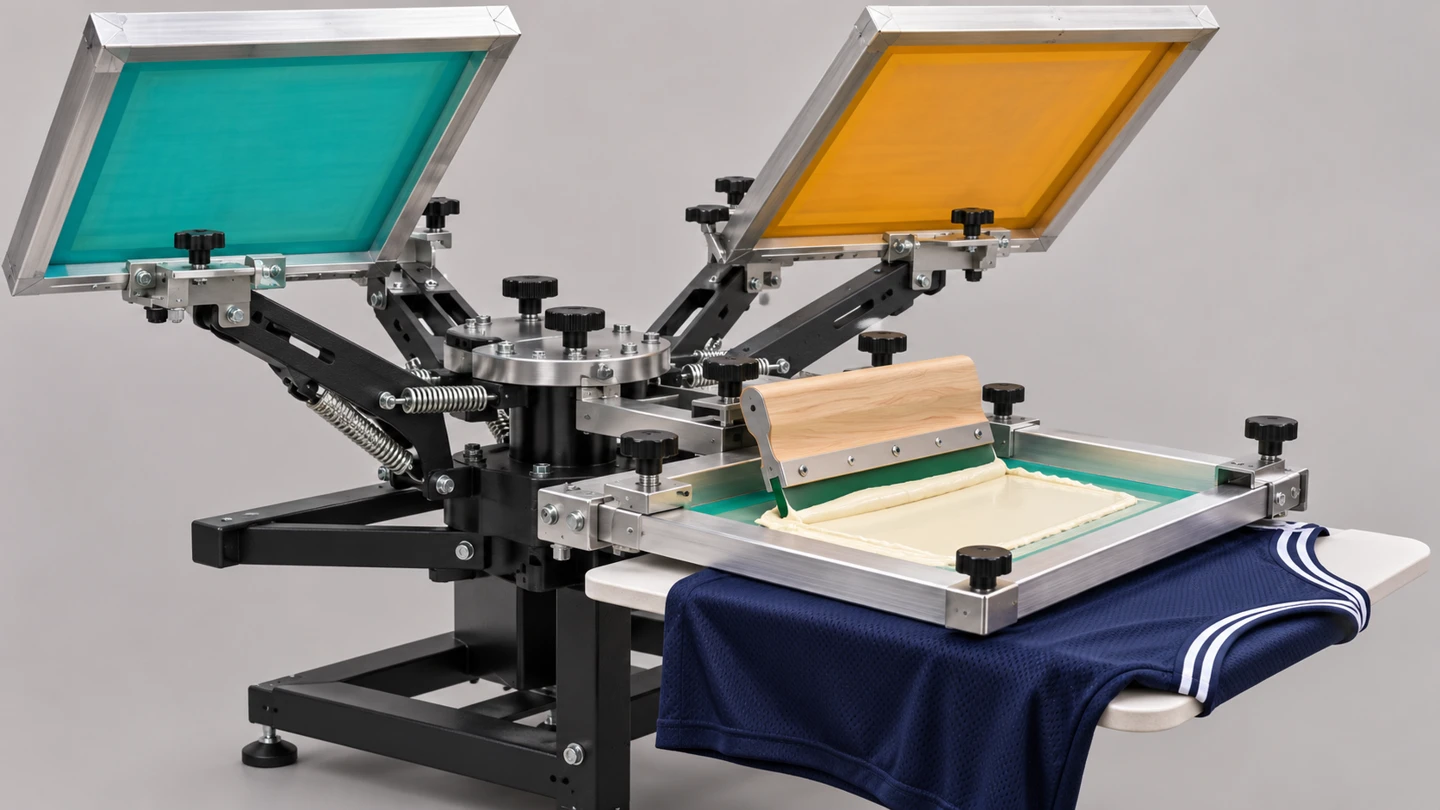
Use opaque ink through a stencil when a school crest, team mark or number needs a flat, solid colour.
✓
Review ink coverage on dark cloth.
✓
Compare setup cost at the planned order volume.
✓
Test ink stretch and wash performance; keep heavy deposits away from high-stretch zones.
Heat Transfer
Small runs · names & numbers
Apply a prepared graphic with heat and pressure when the order needs individual details or a later roster addition.
✓
Reproduce fine detail on an approved transfer sample.
✓
Keep setup practical for smaller runs and top-ups.
✓
Check film compatibility, adhesion and care; a surface layer remains on the garment.
Embellishment Layers
Add the detail that earns its place.
Start with the printed base, then choose the right amount of sparkle, texture and weight. Approve embellishment placement and care on the finished sample.
Rhinestones & Crystals
Sparkle at the focal points
✓
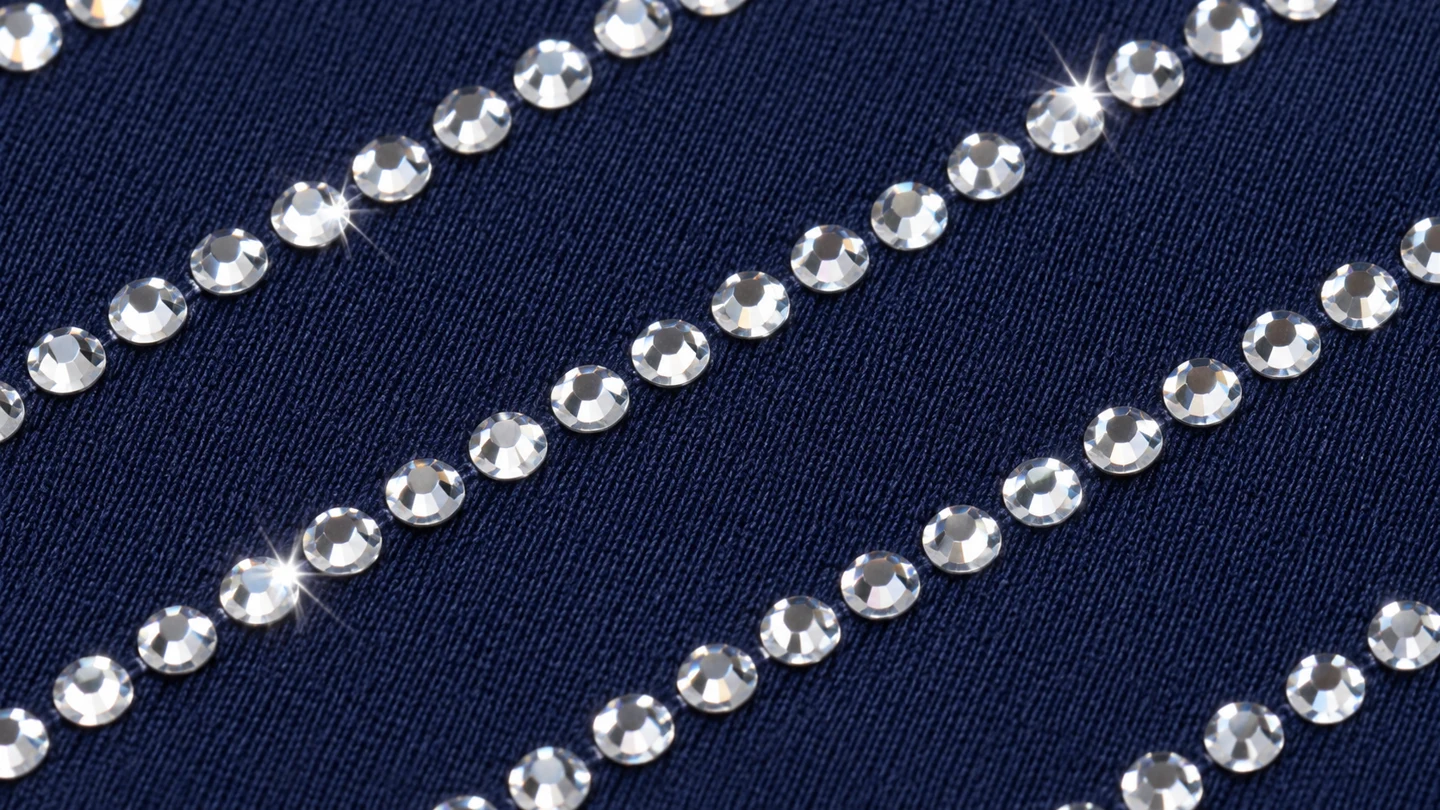
Set stone size, colour and facet cut on the artwork.
✓
Use a compatible heat-set application.
✓
Agree a ±2mm placement target.
✓
Run a 10-cycle wash adhesion check on the sample before bulk.
Glitter & Foil Accents
A reflective yoke or contrast panel
✓
Choose smooth foil or textured glitter.
✓
Place accents where the garment needs visual emphasis.
✓
Review heat-transfer or adhesive compatibility.
✓
Approve adhesion and shine after the agreed wash test.
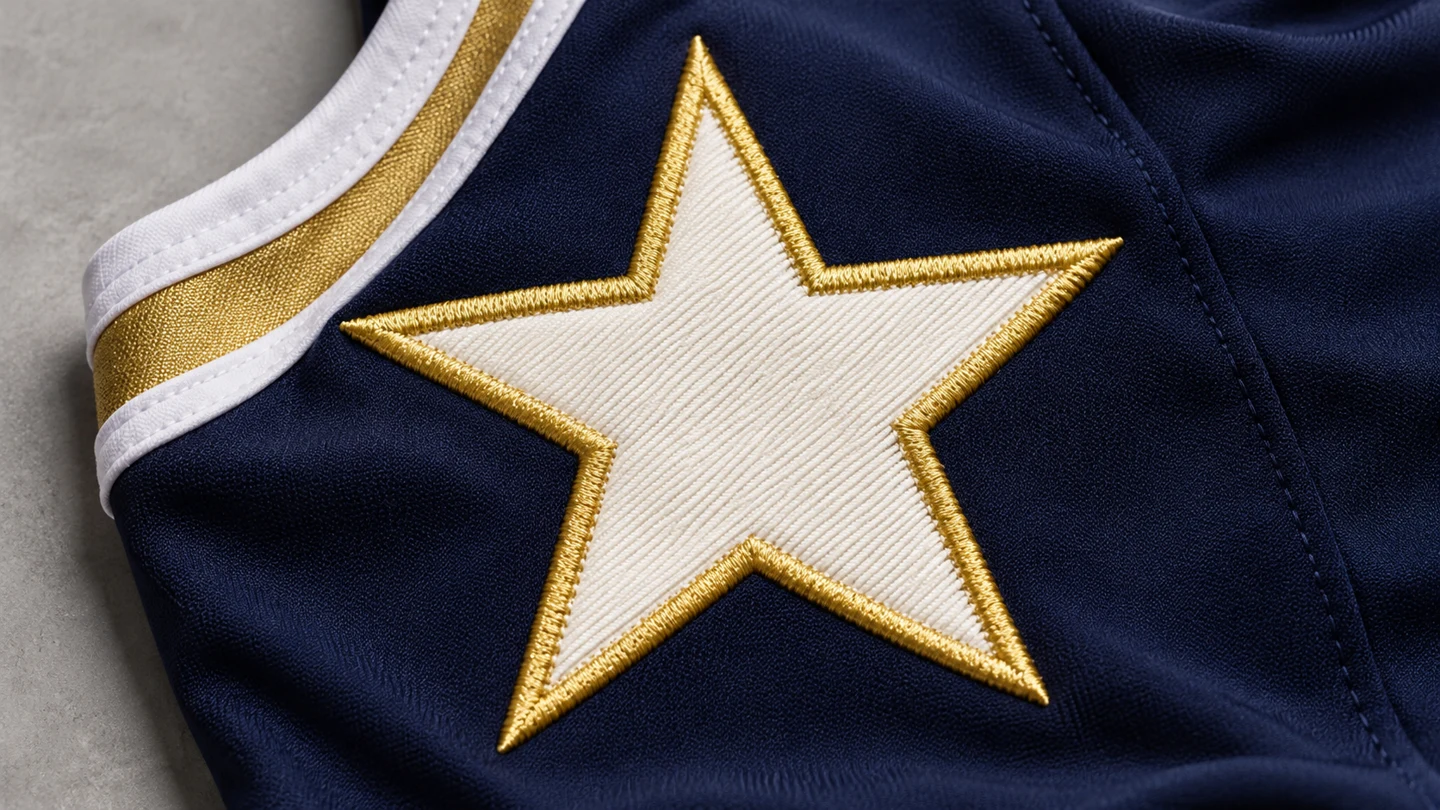
Embroidery & Appliqué
Texture that gives a team mark depth
✓
Develop layered tackle-twill and stitched edges.
✓
Plan up to 12 thread colours in the artwork; confirm the suitable machine setup, including 16-head runs for repeat marks.
✓
Set a 2mm placement tolerance on the mark.
✓
Request the 24-hour artwork-to-sample option for suitable designs; timing depends on scope.
Sequin & Mesh Layering
A shimmer panel with a supported backing
✓
Stitch sequins in controlled rows.
✓
Review double-layer mesh for support.
✓
Check attachment and edge comfort on the sample.
✓
Line the panel where opacity is required.
Factory-Direct Pricing
Build the budget around your actual kit.
Order against a complete factory specification. Compare the cost of the garment, added decoration, packing and delivery so the landed-cost discussion stays clear.
50 sets
First-run MOQ
Start with one clear design, size split and approved sample.
Direct
Factory quotation
Compare fabric, construction, decoration and packing on the same specification.
$39–59
Indicative set budget
Planning reference for a sublimated shell + skirt; the confirmed quote depends on fabric, sizing, decoration and quantity.
Tiered
300 / 1,000 sets
Ask for quantity breaks and a delivery plan for your gym or dealer programme.
How We Build the Cheer Uniform
Five stages. One approved specification.
From mockup to final inspection, each stage closes an approval point. Our 10 production lines bring the cutting, sewing and finishing schedule together.
01
Artwork & Mockup
✓
Prepare vector artwork and Pantone targets.
✓
Show front, back and side placements.
✓
Set shell, skirt and warm-up colour references.
✓
Approve the design before panel cutting.
Output: signed artwork file.
02
Panel Print & Cut
✓
Validate the sublimation recipe.
✓
Map spandex to the bodice and mesh to vents.
✓
Use structured double knit for the skirt.
✓
Cut the graded pattern with stretch direction controlled.
Output: matched printed panels.
03
Construct & Sample
✓
Reinforce the specified stress points.
✓
Develop a secure gripper waistband and lined bodice.
✓
Finish the hem with suitable coverstitching or binding.
✓
Review a physical fit sample before bulk.
Output: approved fit and construction.
04
Embellish & Finish
✓
Apply stones with the approved heat-set process.
✓
Bond glitter or foil to compatible panels.
✓
Position embroidery to the agreed ±2mm target.
✓
Check the finished sample through the care routine.
Output: accepted decoration reference.
05
Final QC
✓
Compare measurements and workmanship to the sample.
✓
Agree sampling under ANSI/ASQ Z1.4.
✓
Set Major AQL 2.5 where appropriate to the order.
✓
Retain the inspection record and required lot test reports.
Output: recorded shipment acceptance.
Shipping & Packaging
Player-labelled sets, ready for distribution.
Group each athlete’s pieces together and define carton marks for the gym, school or pro shop. Confirm split addresses and tracking requirements before packing.
✓
Pack by roster with an athlete or Player ID reference.
✓
Record names, sizes and kit contents on the packing file.
✓
Plan separately tracked cartons for multiple gyms or schools.
✓
Request DDP or another agreed delivery term for the actual destination; confirm duties and service coverage in the quotation.
Plan backwards from your first competition. Allow 25–30 days for standard bulk production after sample approval, plus a route-specific freight allowance of 14–20 days where applicable. A 6–8 week enquiry-to-door plan depends on approval speed, finish and destination.
Uniform Applications
See the range on the floor and sideline.
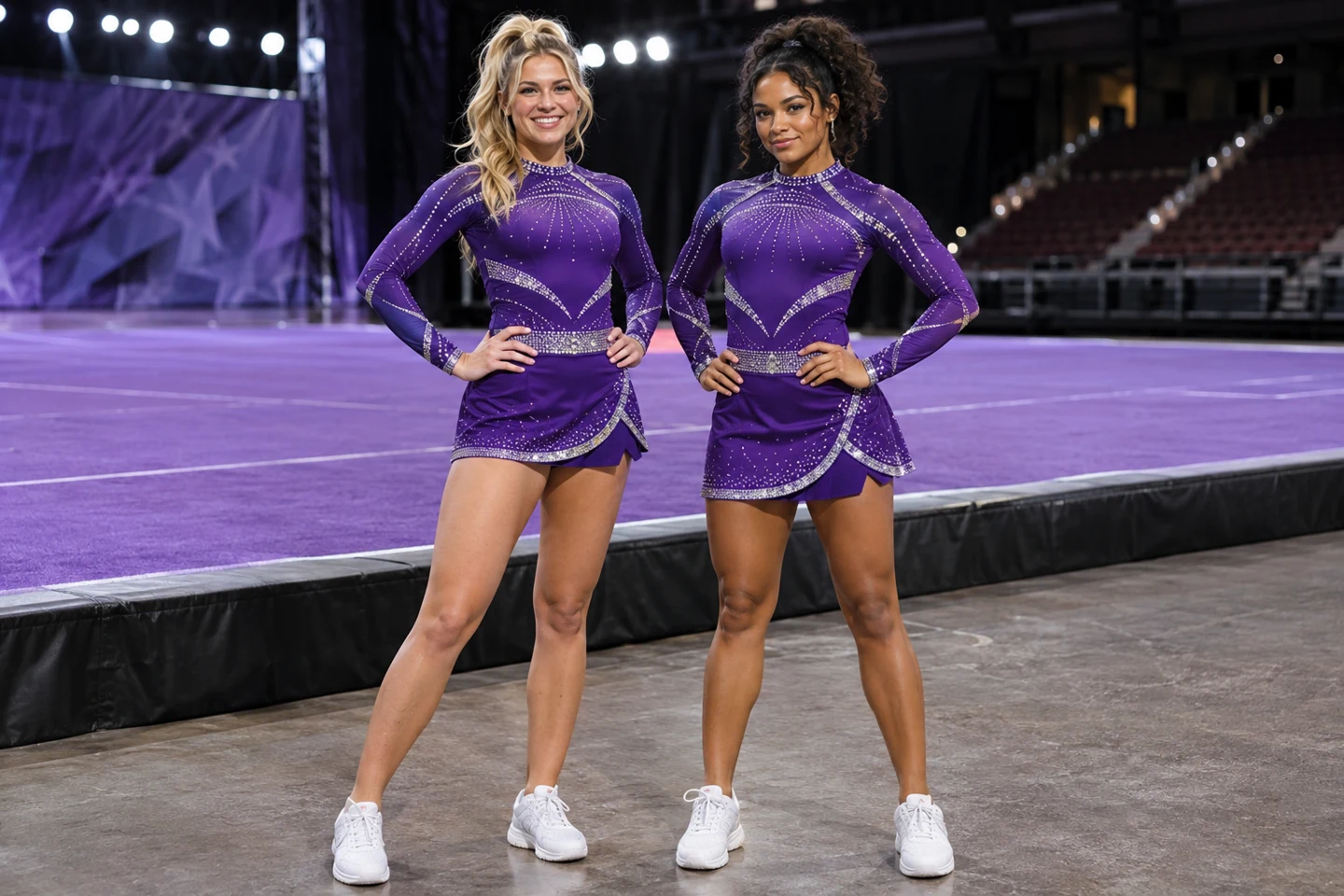
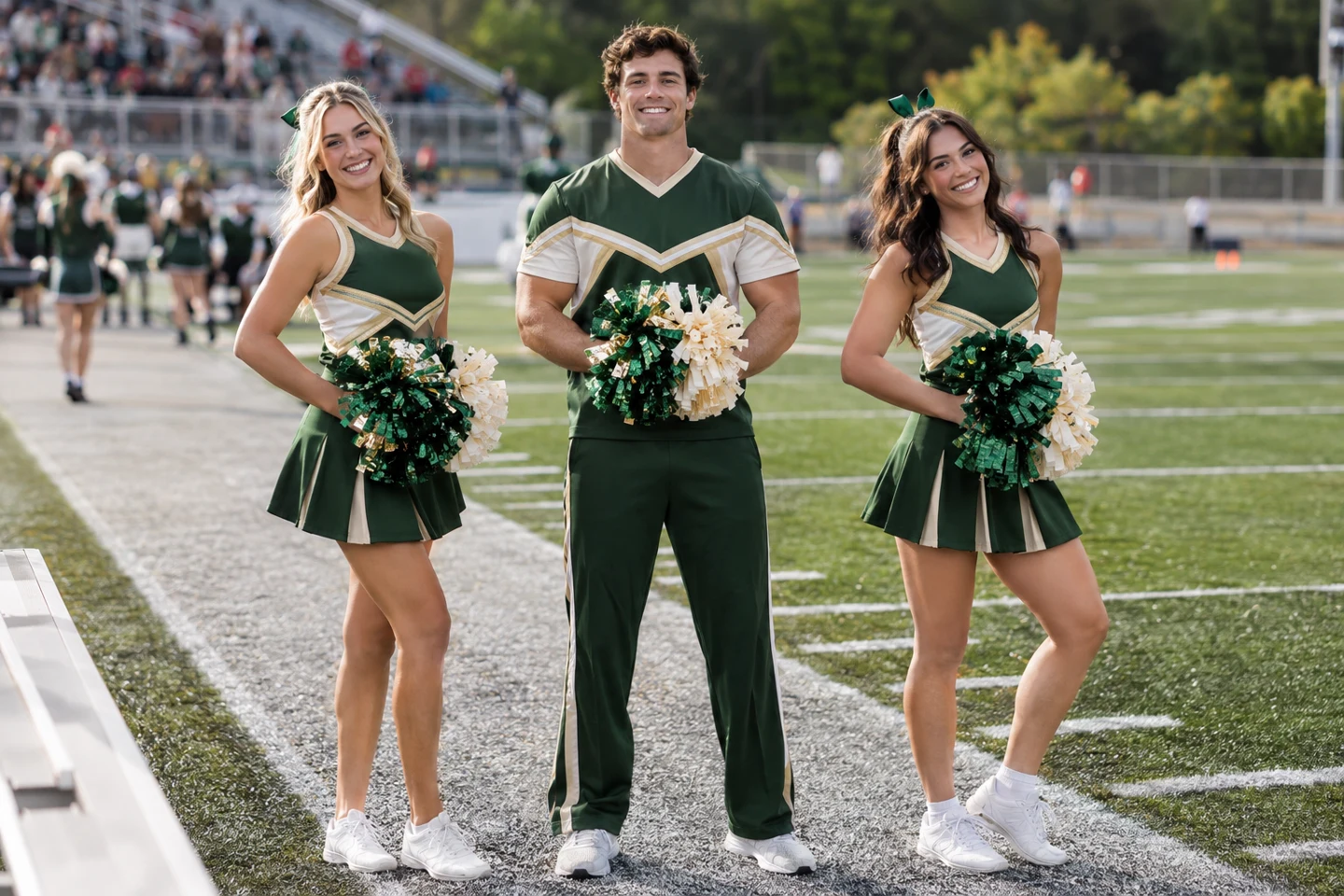
Explore a coordinated shell and skirt, all-star embellishments, a mixed sideline team and practical training wear. Use these directions to shape your own programme.
Testimonials
What our customers say.
“
Washedloom helped us turn our colour palette and sketches into a coordinated cheer range. We could review the shell, skirt and warm-up together, which made it easier to see how the whole collection would look.
The sample stage was especially helpful for the details that do not show clearly on a drawing. We could check the lining, stretch, pleat shape and rhinestone placement before making the final decisions.
Having the artwork, size information and colour reference organised in one file also gave us a clearer starting point for future additions to the range.
We needed a uniform programme that worked for the athletes and for the people handing out the kits. Washedloom helped us bring the roster, size split and individual packing instructions into the same discussion.
The choice of fabrics and finishes was explained in practical terms. We could compare the look of the competition uniform with the comfort of the practice wear, and decide where extra decoration was worth adding.
I also appreciated being able to plan the gym labels and split-shipment requirements early. Those details are useful when one order has to be distributed across different teams.
Director — Cheer Gyms & Pro-Shop SupplyTeamwear & Multi-Gym Programs
FAQ
Questions buyers ask before they order.
Send your team colours, size range, finish requirements and competition date so the quotation can address the complete programme.
Start with one Pantone target, approved artwork and job sheet for the full set. Review swatches on every selected fabric, because spandex, mesh and double knit can show the same dye recipe differently. Retain the accepted colour references and compare later dye lots before a repeat run.
The production starting point is 50 sets per SKU. Define the style, colourway and size split, approve the physical sample, then compare the 300-set and 1,000-set pricing tiers. Discuss multi-gym distribution, capacity reservation and reorder minimums in the quote; availability and setup differ by finish.
A 280 GSM four-way stretch spandex brief suits a fitted shell, double-knit polyester gives structure to a pleated skirt, mesh provides targeted ventilation, and moisture-wicking polyester suits warm-ups. Develop sizes XS–3XL and check fit, opacity and coverage through the routine. Agree roll weight at ±5% of target, AATCC TM61 colourfastness with a Grade 4–5 target where specified. ASTM D2594 suits low-power stretch knits; agree a suitable alternative method for high-support compression fabrics.
Approve the actual stone, foil or glitter on the selected fabric and run a 10-cycle wash adhesion check under the agreed care instructions before bulk. Inspect lifting, loose stones, loss of shine and fabric distortion. Attachment and care depend on the material combination; specify the acceptance criteria on the finished sample.
Keep a signed reference sample, measurement chart, artwork and packing file. Agree incoming 4-point fabric inspection and pre-shipment sampling to ANSI/ASQ Z1.4, with Major AQL 2.5 where appropriate. Specify any per-batch laboratory reports required by the order, including method, date and lot identity; the shipping documentation package should match that agreed scope.
Provide the original order and Player ID so the pattern, artwork, lettering, colour standard and embellishment layout can be retrieved. Confirm material availability, any new dye-lot approval and the current MOQ before proceeding. Standard bulk planning is 25–30 days after sample approval, followed by route-specific freight of 14–20 days where applicable; agree the replacement schedule against the actual competition date.
Let’s define your cheer uniform programme.
Share your colours, roster, preferred silhouette and competition calendar. We will help bring the fabric, fit, embellishment and delivery specification together.
Your privacy choices
With your permission, we use Google Analytics to understand website visits and successful enquiries. Optional analytics stays off unless you accept. Your enquiry works with either choice. Privacy Policy