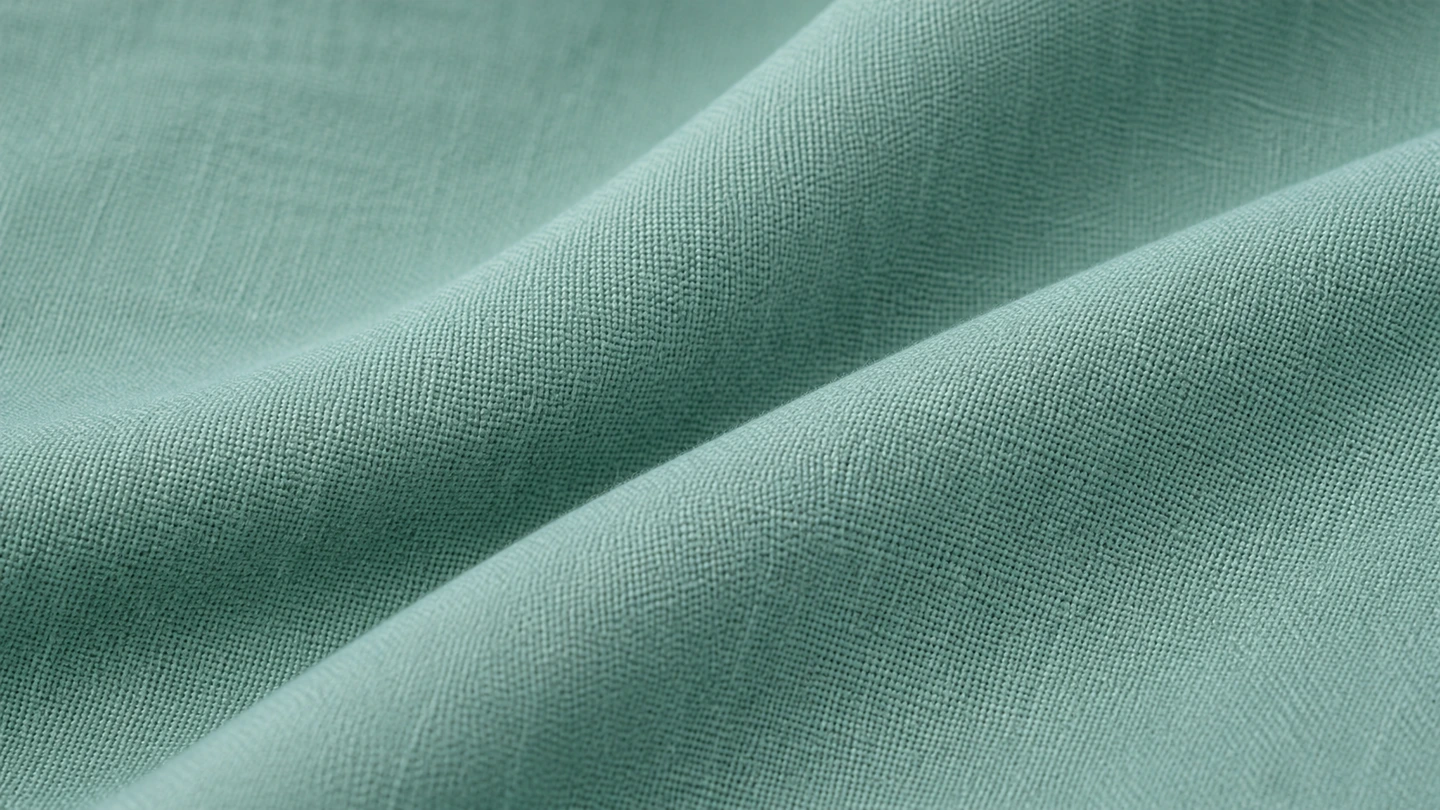
Anti-Shrink Poly-Cotton
65/35 Polyester/Cotton · 210 GSMAn easy-care starting point for shirts, polos and trousers with frequent laundering.
ISO 6330 · ≤2% shrinkageISO 105-C06 · ≥4 fastness
Build a corporate uniform range that works from the front desk to the field. One factory connects fabric sourcing, graded fit, branding and department-sorted packing — starting at 50 pieces per style.

Coordinate suits, polos, shirts and outerwear in one order. Keep the brand palette consistent while giving each department the fit and function it needs.
Need a different style for your team?
Start with the blend, weight and laundry routine. The specifications below are available development targets for selected textiles; the accepted fabric and test conditions belong in your order brief.
An easy-care starting point for shirts, polos and trousers with frequent laundering.
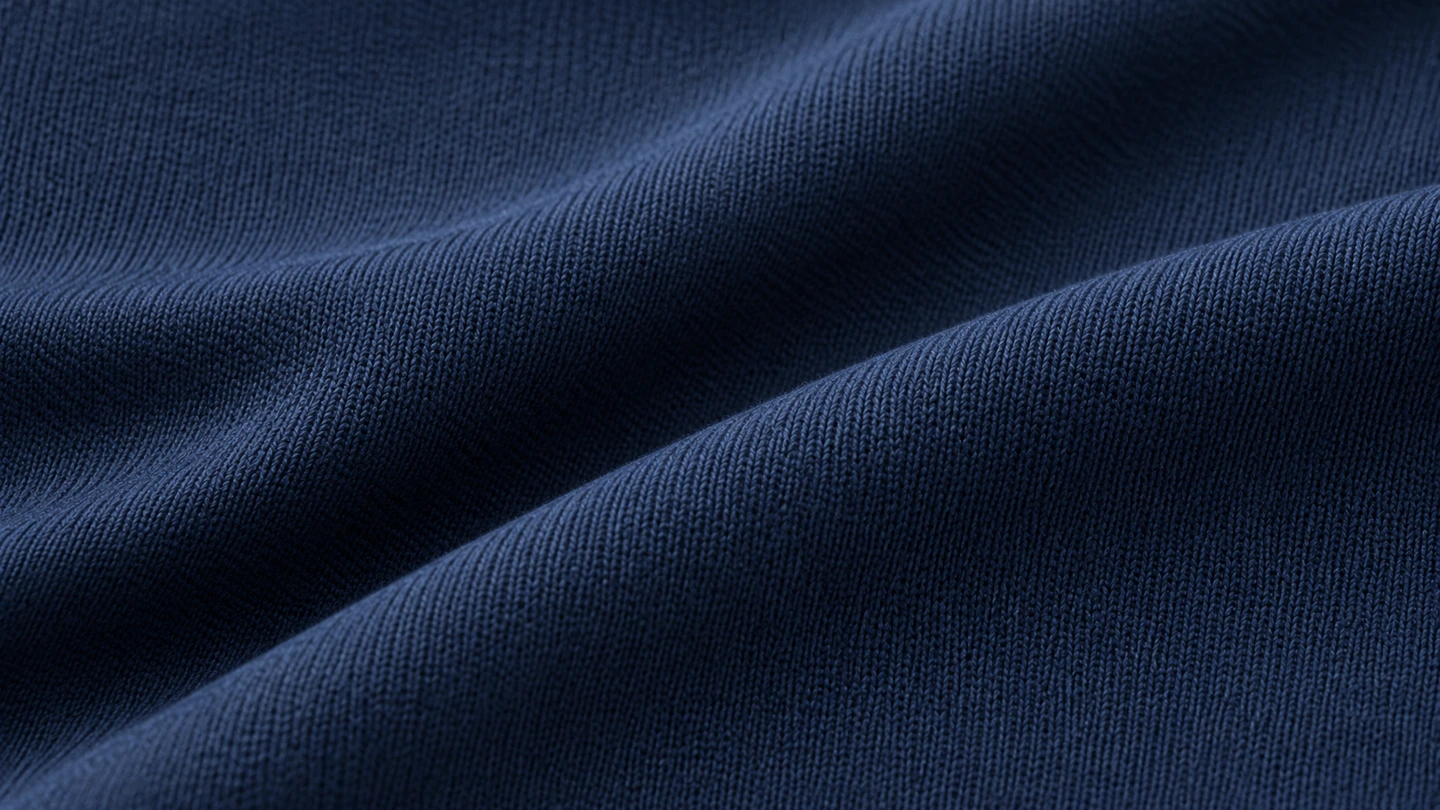
Wicking-finish options for drivers, field sales and active front-line teams.
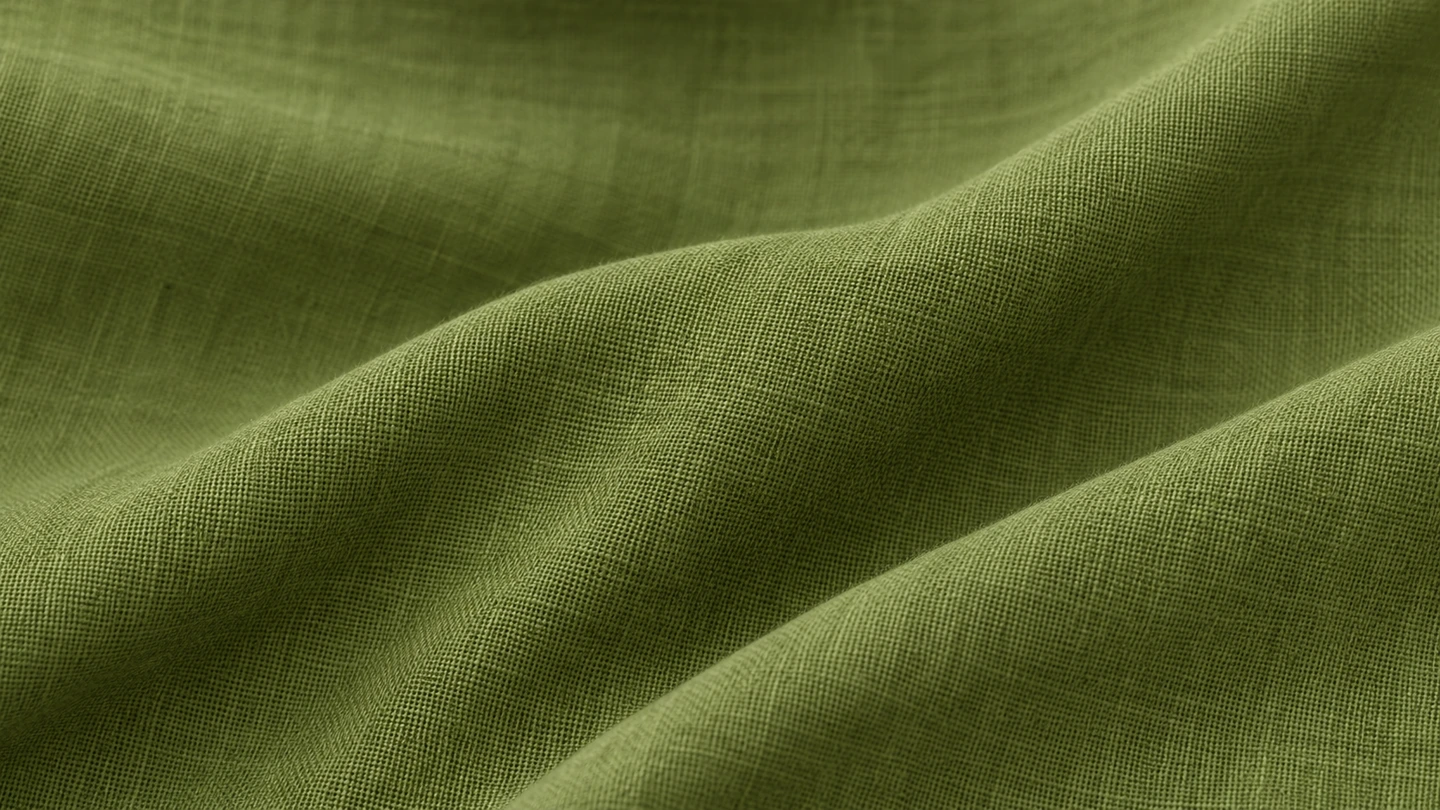
A softer, lighter option for office shirts and warm-climate teams.

Structured blazers and dress trousers with a clean drape for business travel.

Flexible trousers and service uniforms for bending, reaching and long shifts.
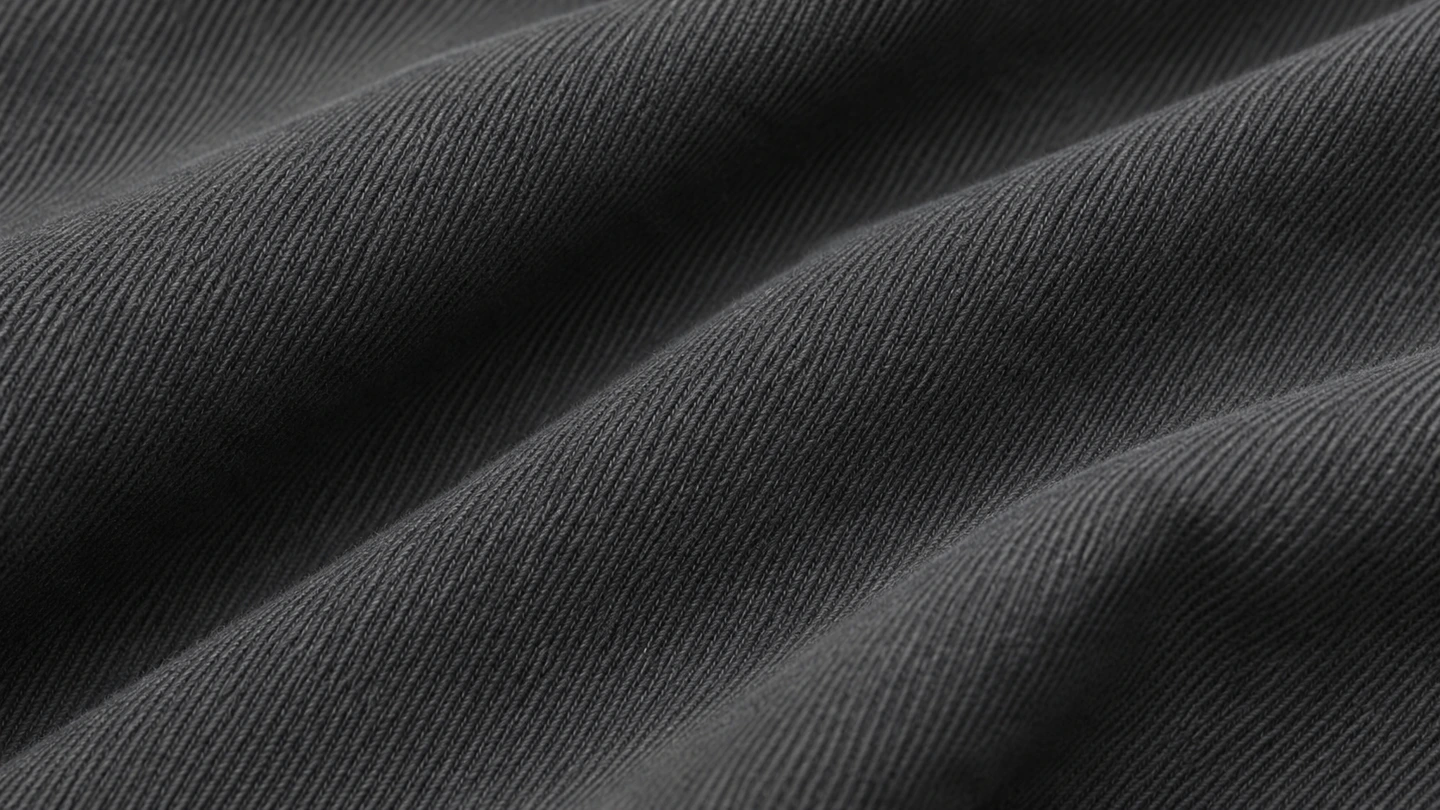
A denser construction for maintenance, stores and outdoor support roles.
Keep fabric, decoration, fit and packing decisions together. Your approved sample and specification give each production stage the same reference.
Choose the fabric for the role — office comfort, active shifts or outdoor duties. Compare the actual swatches before choosing the price tier.
Embroidery, screen print, heat transfer and woven jacquard details put your identity on the garments your team actually wears.
Turn your tech pack or reference garment into a master pattern, then grade the size range for men’s and women’s fits.
Design the packing plan around how you distribute uniforms: by employee, department, branch or warehouse.
Keep control of the details that decide whether your uniform program works: shade, fit, logo position, inspection and delivery allocation.

Send a tech pack, sketch or reference garment. Get the fabric, construction, branding and delivery questions resolved with the team preparing your order.
Ask for the same specification at three order sizes. Separate garments, decoration, packaging and freight to see where a larger order changes the cost.
15,000 m² Manufacturing Facility · 130 Employees · 10 Production Lines. Plan your range against one production route and an agreed delivery schedule.
Compare cotton, poly-cotton, performance, suiting, stretch and twill. Recycled-polyester and organic-cotton options can be included in your sourcing brief.
Check materials before cutting, fit before bulk production and finished garments before dispatch. Write the acceptance criteria into the order so quality is measurable.
Record blend, GSM, shade and hand feel against your approved swatch. A ±3% fabric-weight tolerance can be written into the material specification.
Specify ISO 105-C06 colourfastness, ISO 6330 dimensional change and ASTM D3512 pilling checks for the selected textile. Keep the results with the fabric lot.
Measure the pre-production garment against the tech pack. Seal the accepted sample and record pattern matching up to a 1.0 mm specified tolerance where required.
Check stitch density, seam strength and logo position during sewing. Specify bartacks at 100% of the designated stress points, with a 2 mm branding-position tolerance.
Use the agreed ISO 2859-1 sampling plan, General Inspection Level II and AQL 2.5 for major defects. Check workmanship, shade, dimensions, quantities and packing.
| Defect class | Limit | Examples | Action |
|---|---|---|---|
| Critical | 0 accepted | Dangerous contamination or a defect creating a safety risk | Reject and investigate |
| Major | AQL 2.5 | Open seams, wrong size, visible shade mismatch, incorrect mandatory labels | Rework or sort before dispatch |
| Minor | AQL 4.0 | Loose thread, small cosmetic puckering, removable crease marks | Correct during finishing |
Coordinated looks for office teams, management, reception and customer service.


Illustrative buyer perspectives.
My job is to keep every branch looking like the same company. A navy polo that arrives a different shade from the last order creates a visible problem at the front desk — even when both batches carry the same colour name.
I want the colour standard settled before cutting: an approved swatch, a recorded shade tolerance and a check on each new dye lot. The polo, blouse and jacket also need to be reviewed together, because the same navy behaves differently on different fabrics.
For a repeat order, I need the style reference, size breakdown and branch allocation in one place. Matching those records to labelled cartons lets our branch teams issue the right garments without another round of sorting.

I am responsible for an order that has to stand up to inspection as well as look right. A general factory certificate is not enough when I need to trace the fabric, wash results and finished-garment checks for a particular purchase order.
My buying brief calls for a PO-linked file: the approved sample, applicable fabric reports, material-certificate scope and an AQL 2.5 final inspection record. I also need the quote to separate the garments, branding, packing and freight, so the delivered cost is clear before approval.
Replenishment should start from the archived pattern and artwork, with any material change flagged before production. Department-marked cartons and a reconciled packing list complete the order — the paperwork and the physical delivery need to tell the same story.

Clear answers on 50-piece minimums, timing, colour matching, order records and multi-site delivery.
Start from 50 pieces per style. Order one development sample before committing the whole team, using the fabric, fit and branding intended for production.
For a useful price comparison, request the same style at 50, 200 and 1,000 pieces. Send your garment list, size breakdown, logo artwork and destination. Shirts, trousers and jackets count as separate styles.
For a locked repeat specification, ask about no-minimum replenishment. Stock fabric, trims and branding setup decide whether a small top-up is practical; the quote confirms the quantity and any setup charge.
Allow 24 hours for the initial quote response after we receive a clear brief. Send a tech pack, reference garment or sketch, plus quantities, colours, sizes and delivery postcode. The written quote separates garment, branding, packing and shipping costs.
Sampling is planned at 5 business days once specifications and materials are ready. Standard bulk production takes 15–20 days after final sample approval; delivery transit is additional.
A repeat order using the archived pattern and available materials can be reviewed for a 10–14-day production slot. Tell us your required arrival date before placing the order so the material stock, production slot and transit route can be checked.
Keep an approved physical shade standard and sealed garment under each style reference. For a new dye lot, specify an instrumental colour tolerance such as ΔE ≤1.5 together with the measurement method, illuminant and visual review conditions.
For fit, compare the new size set with the archived graded measurements and agreed tolerances. The same size label alone does not prove the same finished measurement.
Send the previous PO or style number with the new quantities. If a fabric, finish or supplier lot changes, approve the replacement swatch or sample before cutting.
Agree the document list before production: the purchase-order specification, accepted sample reference, fabric-lot details, applicable ISO 105-C06/ISO 6330/ASTM D3512 results, and the final AQL inspection report.
If your textile needs OEKO-TEX STANDARD 100 evidence, include the certificate number, product scope and validity in the material review. A factory management-system certificate does not replace a report for the material you bought.
Packing lists, carton marks, invoice and freight/customs documents follow the agreed delivery terms. Give us your audit checklist or required forms with the RFQ so the order file answers those exact requirements.
Yes. Build one coordinated range of shirts, trousers, polos, blazers, waistcoats and jackets. Keep each style’s size quantities, fabric and branding specification separate while using one brand palette and order schedule.
Send a spreadsheet with style, colour, size, quantity, department and destination. We turn that allocation into garment labels, carton marks and packing lists, then reconcile the totals before dispatch.
For multiple addresses, request a delivery quote for each destination or a consolidated shipment to your own distribution centre. The quote states the packing and freight costs for the route you select.
Send your garment list, team quantities and brand guidelines. Build the fabric, fit, logo and delivery plan together.