✓ A fit for your order
- You need 50+ garments per style with an approved specification.
- Fabric, fit, branding and packing must align across your team.
- You need the applicable material reports and inspection records tied to your purchase order.
Take your workwear from specification to production with Washedloom. Get coveralls, work jackets, reinforced trousers and hi-vis garments made to your fabric, fit and branding brief — with a sealed sample and an order file that keeps purchasing in control. Bulk production is planned for 15–20 days after sample approval; freight is scheduled separately.
Not a fit if you need: single finished garments (MOQ 50 per style), or certified structural firefighter turnout gear (NFPA 1970 / 1971 / EN 469).

| Assessment | What to agree before production |
|---|---|
| Standards | Identify the work hazard and destination. Review ANSI/ISEA 107, NFPA 2112 or EN ISO 20471 only where relevant; establish the exact garment and test scope. |
| Wash life | Define domestic or industrial care, then assess color, seams, dimensions and reflective components using the agreed ISO 6330 or ISO 15797 procedure. |
| Size tolerance | Approve a graded XS–6XL chart where required. Reference: ±0.5 in (1.3 cm); tighter points of measurement need written agreement. |
| Documentation | Specify mill certificates, relevant batch reports and AQL 2.5 inspection records by PO, with sampling level and defect classes agreed. |
Coveralls, jackets, trousers and protective accessories — one coordinated workwear sourcing brief.


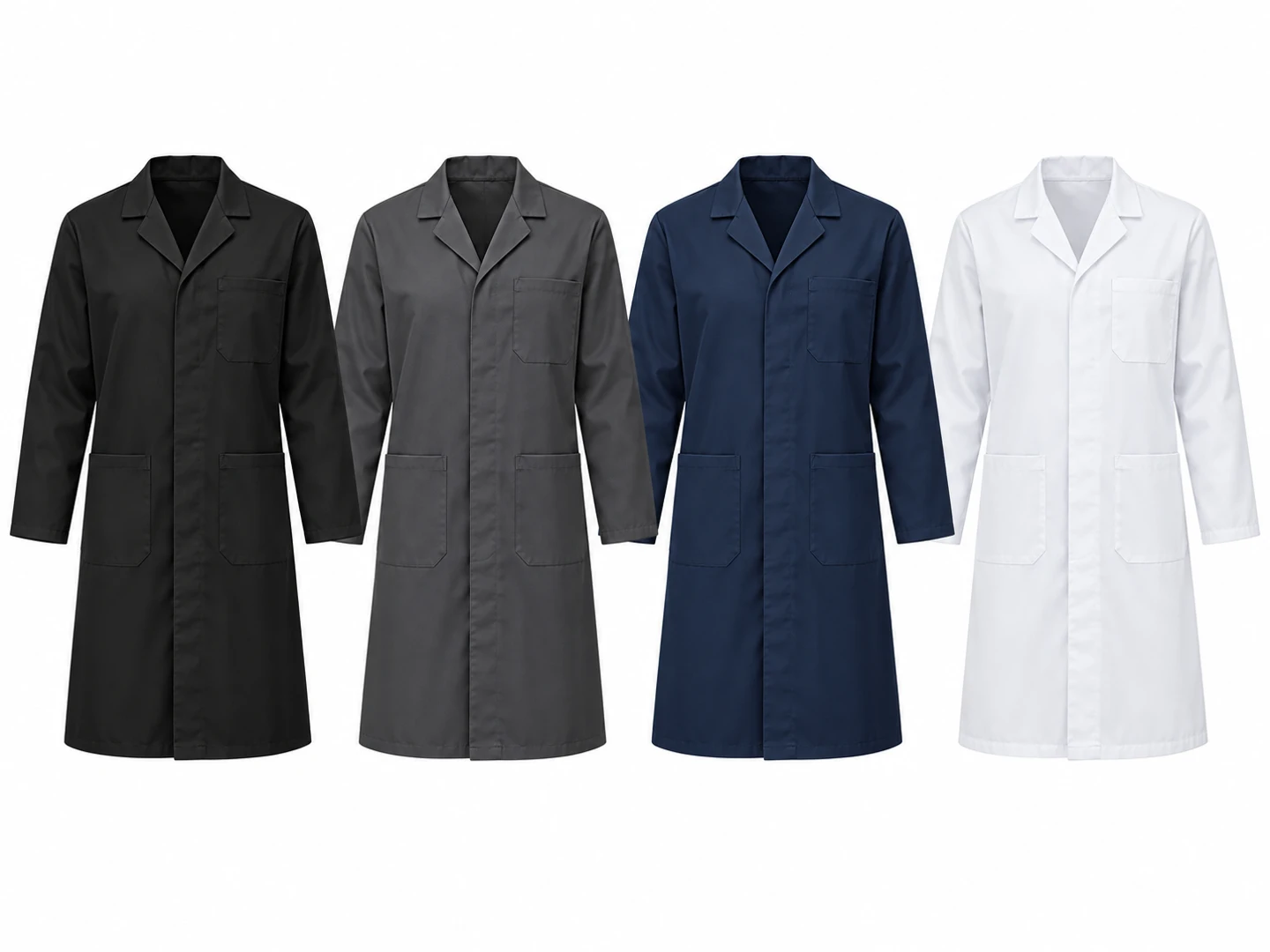


Need something not listed here?
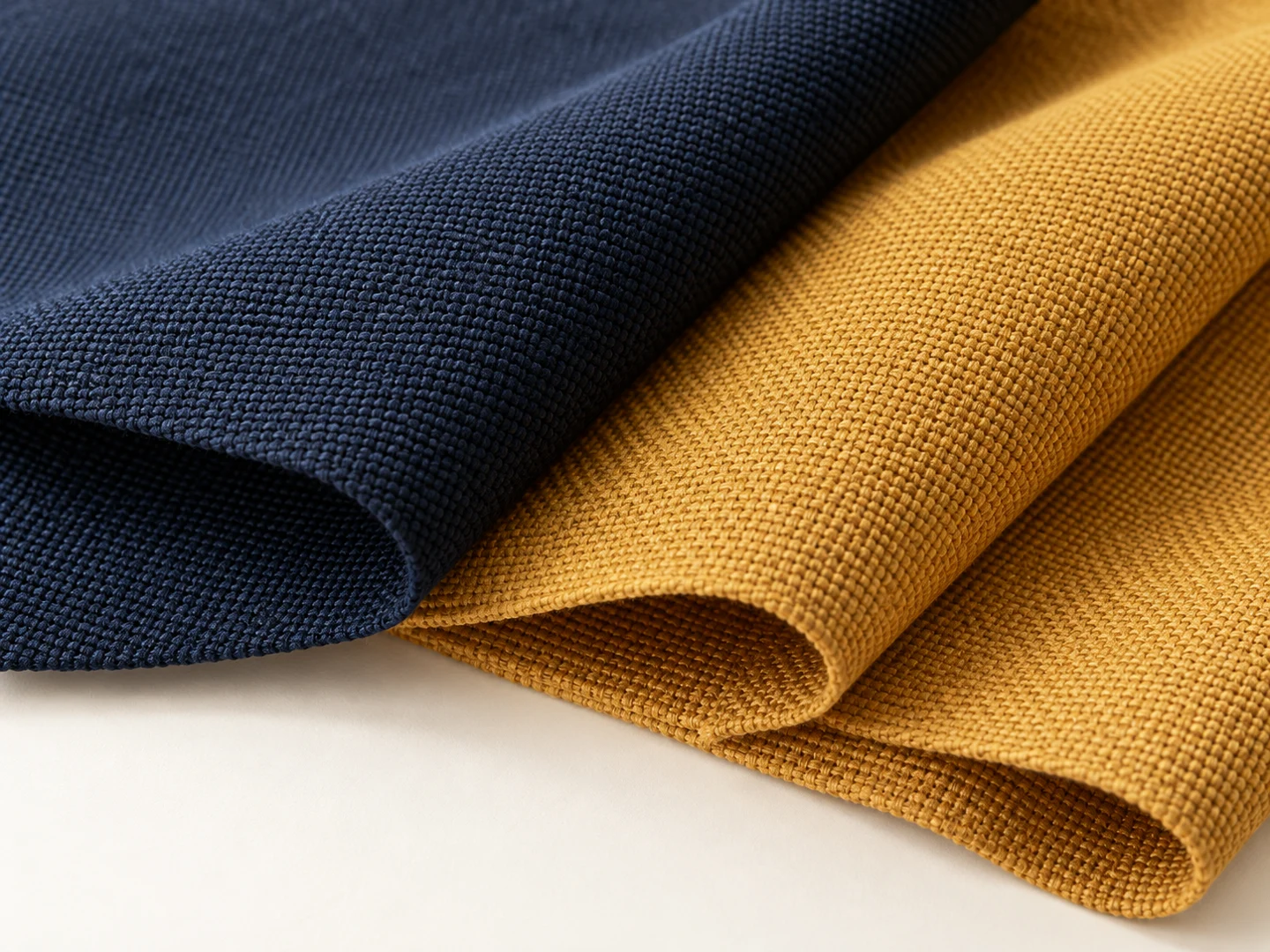
TC/CVC, cotton canvas, FR blends, hi-vis textiles, reinforced nylon and stretch membranes. We connect fabric composition, weight, finish and required testing to your working environment.
 Highest volume
130–280 g/m²
 Natural comfort
200–400 g/m²
 Life safety
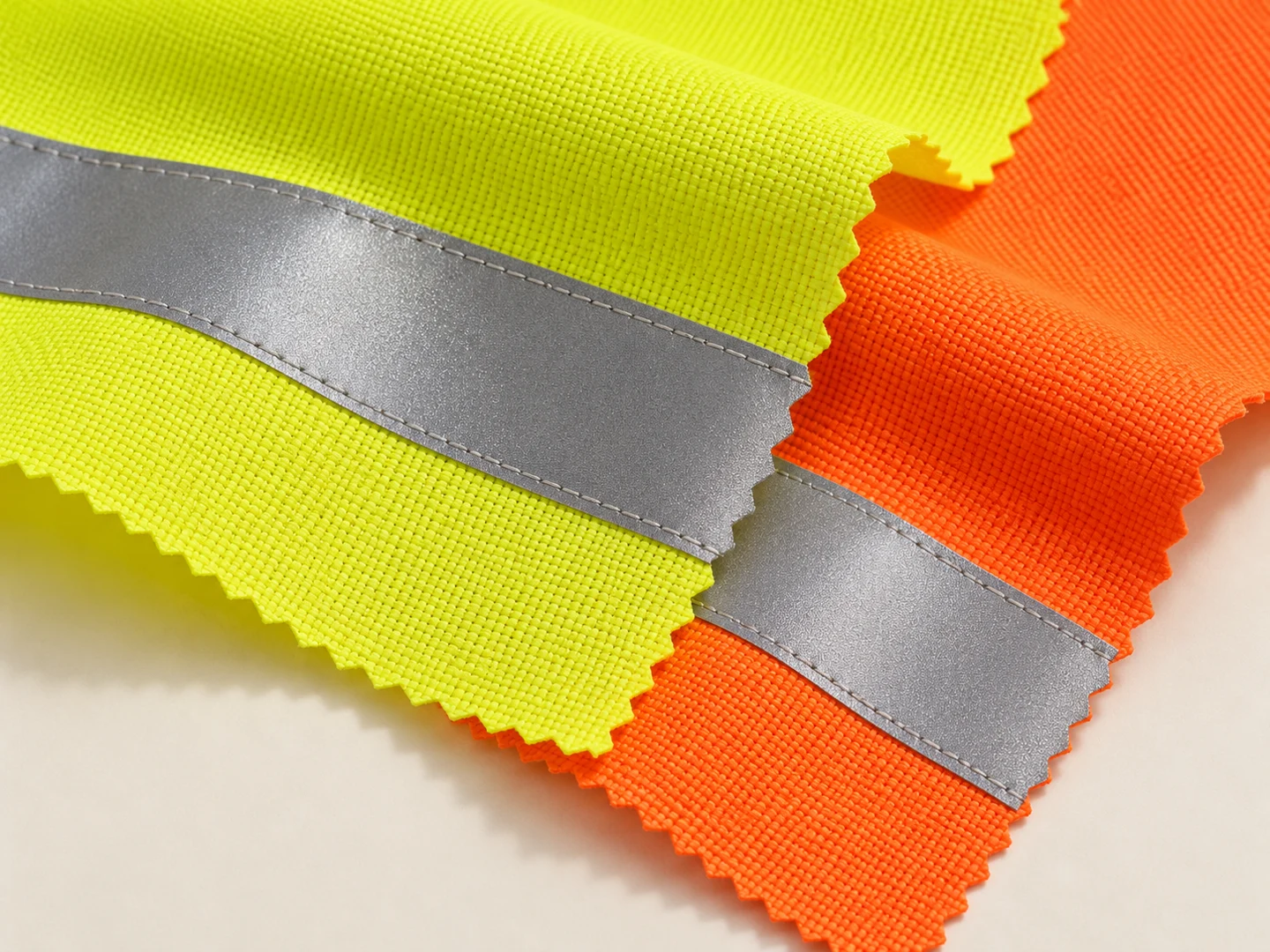
180–350 g/m²
 Safety-critical
120–300 g/m²
 Abrasion resistant
160–1000 denier
 All-weather
140–320 g/m²
Six connected services — from fabric and pattern to decoration, labels and retail-ready packaging.
Make your logo part of the garment. We develop thread colors, backing, stitch density and placement on your chosen fabric, then retain the approved sew-out for consistent repeat production.
A tech pack, reference sample or sketch is enough to start. We develop the pattern, construction and graded measurements, with a finished sample in 5 business days once the brief and materials are ready.
Choose for the working environment, rather than the catalog photograph. TC/CVC, canvas, stretch, ripstop and specialist protective fabrics are matched to weight, movement, care and test requirements.
Your brand standard travels with the order. Physical shade references, woven labels, hang tags and trim specifications stay together in the approved file for batch-to-batch consistency.
Screen printing, heat transfer and sublimation cover chest logos through to all-over graphics. We approve color, opacity, placement and wash appearance on the actual textile before bulk.
From the neck label to the carton mark, every detail follows your PO. Custom bags, hang tags, barcodes and site allocation make the order easier to receive, distribute and reorder.
A clear brief, a production-fabric sample and a documented approval — the foundation for a controlled bulk order.
Turn the brief into a buildable specification. We review fabric, construction, quantities and compliance needs together, then explain the cost drivers before sampling begins. Review fabric, trims, decoration and testing separately, with a clear basis for the per-unit price.
✓ A practical production briefFit starts with the actual cloth. We develop graded measurements and check ease, movement and shrinkage allowances using the intended production fabric. Critical fit points and allowances stay on the size chart, ready for sampling and repeat production.
✓ Fit tested on your fabricInspect a complete pre-production garment: fabric, stitching, hardware, branding and labels in one sample. Five business days starts once the brief and materials are ready. Review the complete construction before approving the bulk run; keep accepted components with the sample file.
✓ See the garment before bulkWork through a focused revision plan, normally built around two rounds. Measurements and comparison photos keep every change visible and every decision traceable. Keep the latest approved revision with the sample, rather than relying on scattered emails.
✓ Clear revisions, fewer surprisesSeal the accepted sample with its measurement chart, artwork and component list. This becomes the reference for cutting, sewing, final inspection and reorders. The production team works to the same signed reference, with changes recorded before the next run.
✓ One production standardYour signed sample becomes the production standard. Every following checkpoint refers to it.
Six checkpoints turn your approved design into a documented, repeatable production order.

Your material specification reaches the cutting table intact. Composition, GSM, color, shrinkage and required performance checks are connected to the fabric lot and purchase order.
✓ Control the cloth before it becomes a garment.
Develop the pattern, grade the size range and approve the actual garment in your chosen fabric. Construction, hardware, branding and labels are resolved before bulk cutting.
✓ Approve the finished sample before committing to bulk.
Panel direction, shade grouping, matching details and critical dimensions are checked at cutting. The lay plan balances fabric use with repeatable fit across the size range.
✓ Better panel control means less rework at sewing.
Ten production lines connect your approved garment to scalable manufacturing. Seam construction, stress-point bartacks, reinforcement panels and hardware follow the accepted tech pack.
✓ 130 employees. 10 production lines. One approved specification.
Inspection records remain with the order file for receiving checks and repeat production.
✓ Your quality file stays connected to the purchase order.
Garments are folded, labeled and allocated by SKU or site. Carton marks, barcode requirements and quantities are reconciled with your PO before the agreed FOB, CIF or DDP handover.
✓ Production, shipping and destination delivery are planned separately.From material lot to packed carton, keep the specification, approval and inspection records together.
15,000 m² of manufacturing space. 130 employees. 10 production lines. Annual production capacity of 500,000 pieces.
Work directly with the manufacturing team. Fabric, patterns, construction and packing are coordinated around your approved specification, with a clear reference for repeat orders.


Review each document’s holder, scope and validity separately.

Quality Management
Reference certificate
Code of Conduct
Reference information poster
SMETA Information
Reference information poster
Environmental Management
Reference certificate
Occupational Health & Safety
Supplied image · expired 19 Aug 2026A manufacturing quote you can work with: your specification, your order scope and your delivered-cost breakdown.
| What matters | Washedloom | Trading company | Small factory |
|---|---|---|---|
| Factory-Direct? | ✓ 15,000 m² manufacturing facility | × Factory access through an intermediary | × Capacity depends on the individual workshop |
| Batch Documentation | ✓ PO-linked material and inspection file | × Confirm report availability and charges | × Testing resources vary by facility |
| Production Capacity | ✓ 500,000 pieces annual capacity · 10 lines | × Capacity managed through supplier network | × Confirm available lines and workload |
| MOQ Flexibility | ✓ 50 pcs per style · samples from 1 piece | × Minimums depend on upstream supplier | × Small runs may require a separate schedule |
| Direct Technical Review | ✓ Fabric, pattern and sample decisions in one brief | × Changes relayed through the sourcing team | × Confirm dedicated development support |
| Factory Visit | ✓ Visit the production site behind your order | × Confirm access to the producing facility | × Confirm which operations are on site |
| Quality & Testing Plan | ✓ AQL 2.5 plan + product-specific test scope | × Check who owns test coordination | × Confirm inspection and laboratory resources |
| Complete Quoted Cost | ✓ Fabric, trims, testing, packing and freight itemized | × Allow for sourcing and coordination fees | × Check exclusions before comparing unit prices |
Agree the decision criteria before cutting. The signed sample and its evidence file become the reference for bulk inspection.
| Criterion | Approval basis to record |
|---|---|
| Dimensions & fit | Approve points of measurement and a graded chart. Reference: ±0.5 in (1.3 cm), unless your written specification is tighter. |
| Color | Agree a physical Pantone or swatch reference, illuminant and measurement method. ΔE ≤1.5 is a specified target subject to the selected material and method. |
| After-wash | Assess seams, shade, dimensions and relevant reflective performance through the agreed care procedure. ISO 6330 at 60 °C is a draft reference only where appropriate; specify industrial care separately. |
| Reflective / hi-vis area | Measure required background and reflective areas against the specified ANSI/ISEA 107 or EN ISO 20471 garment class. |
| Documentation | Keep the agreed mill records, applicable batch reports and four-point fabric inspection record with the PO and sample approval. |
Work-ready uniform concepts for site crews, healthcare, hospitality, industrial teams and outdoor operations.



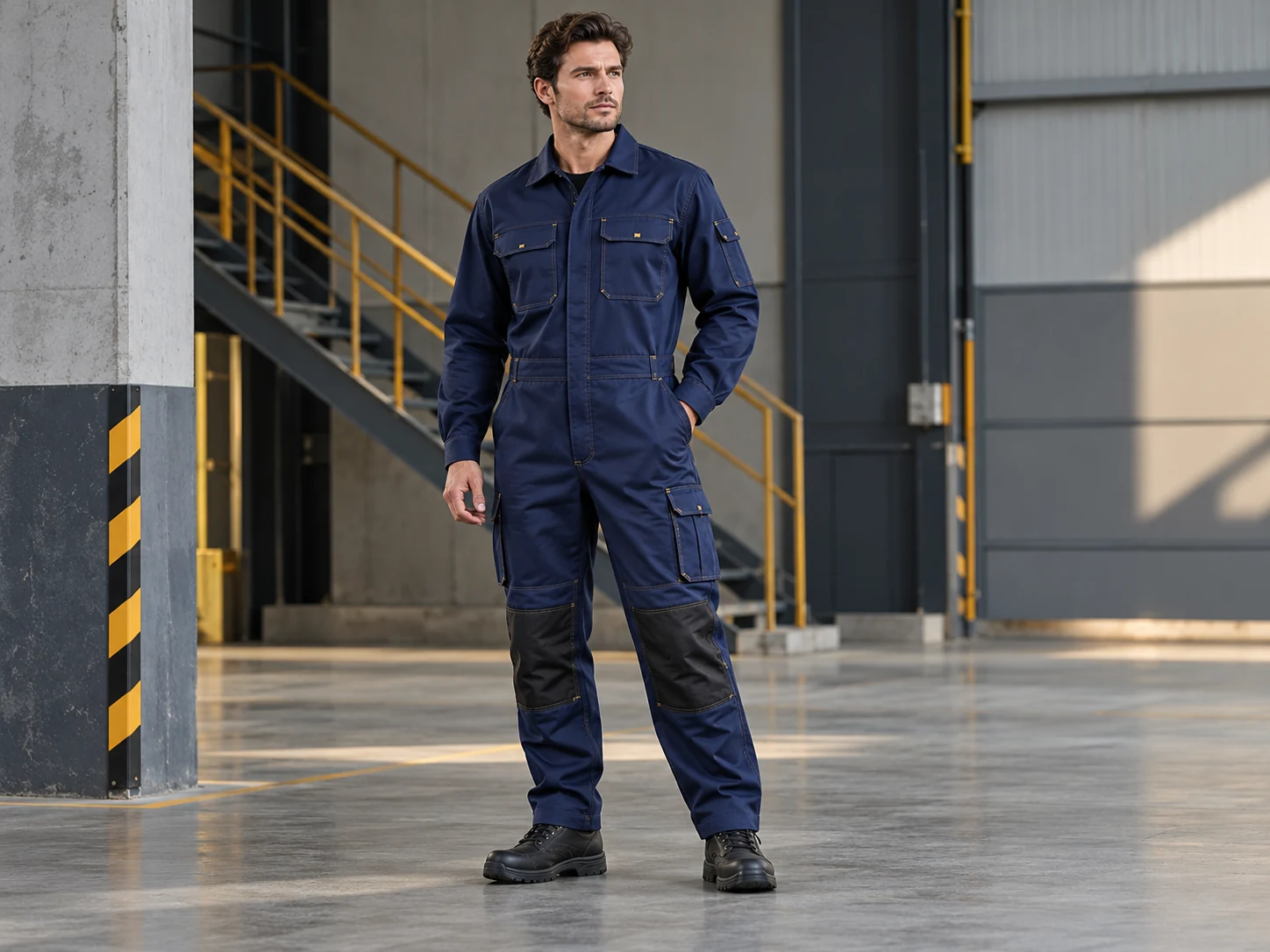




Our biggest problem was consistency. Site managers were ordering different versions of the same uniform, and every replacement order started another conversation about fabric, sizing and reflective placement. We needed one garment specification that purchasing and the crews could both trust.
The Washedloom program brought the material choice, size chart and sample review into one process. We could examine the actual garment, mark the changes and approve a single reference before the bulk order moved ahead. Having the packing allocation and inspection requirements attached to that same brief made receiving the order much easier to plan.
What stood out was the attention to the working day: pocket access with gloves, room to move and a care routine that matched our teams. Those details gave us a practical basis for the next order.

A work jacket has to earn its place in a customer’s wardrobe. A good photograph cannot compensate for a stiff shoulder, a weak pocket opening or the wrong zip. We wanted a development partner who would work through those details with us.
With Washedloom, the discussion started with the garment: canvas weight, movement, reinforcement, hardware and the finish after washing. The sample review gave every change a measurement and a revision number. We could see how the design would be built before finalizing the collection.
Keeping the approved sample, artwork and packing specification together made the program easier to manage. We had a clear product reference for manufacturing and a stronger foundation for repeat production.

Bring the technical and commercial questions into the same conversation.
Production starts at 50 pieces per style, with a pre-production sample available from one piece. Confirm color splits, size ratios, sample charges, any fee credit and reorder minimums in the actual quotation.
They are separate stages. Typical schedule: 5 business days for sampling after the brief and material are ready, then 15–20 days for bulk after final sample approval. Revision rounds, material sourcing and freight affect the schedule. Confirm top-up timing separately; do not treat production time as delivered lead time.
Agree measurements, tolerances, shade, construction, decoration and wash checks first. A ±0.5 in / 1.3 cm dimensional allowance and ΔE ≤1.5 color target are draft references requiring agreement. Retain the signed sample, approved chart and applicable records together.
The confirmed framework includes ISO 9001, ISO 14001, ISO 45001, OEKO-TEX STANDARD 100, SMETA and amfori BSCI; SMETA and BSCI are audit programs. Product standards and batch testing depend on the exact fabric, garment, market and agreed scope. Request the applicable documents rather than assuming one certificate covers all styles.
Yes, a reference garment can anchor fabric weight, measurements, seam construction and hardware. Explain what must remain and what should improve. Confirm the development schedule, ownership and sample acceptance criteria before bulk.
Retain a physical approved swatch by style and record dye-lot acceptance under agreed lighting and measurement conditions. Compare new lots with the same reference. Review acceptable variation and replacement panels before cutting.
TC/CVC blends, cotton canvas and twill, polyester, ripstop, stretch fabrics and reinforcement textiles can be reviewed. FR-treated cotton, aramid, antistatic textiles and waterproof membranes require a product-specific review of material identity, care limits and test evidence.
Agree confidentiality, ownership, permitted use and access controls before sharing sensitive artwork or patterns. Identify the approved revision for sampling and production. If an NNN agreement is needed, establish its actual terms for the project before exchanging confidential files.
Share garment references, team roles, quantities, size range and the target delivery date. Start with a brief that can become an approved sample.