Skip to content
Site supervisor wearing a charcoal industrial work shirt and white safety helmet
Workwear / Custom Work Shirts

Custom Work Shirt Manufacturer — Factory-Direct.
Made for Your Shift.

Stop compromising between a shirt that looks professional and one your crew can work in. Washedloom makes industrial button-downs, performance polos and protective work shirts to your fabric, fit and branding specification. Start with 50 pieces per style, approve the actual production fabric, and keep every critical detail connected to your order.

15,000 m²Manufacturing Facility
130Employees
10Production Lines
500,000Pieces Annual Capacity
See how sampling is judged

Not a fit if you need: single finished garments or certified structural firefighter turnout gear. Sampling: 5 business days. Bulk: 15–20 days after sample approval. Freight is scheduled separately.

Scope & assessment

Is this your shirt program?

A fit for your order

  • You buy 50+ shirts per style and want direct access to the manufacturing team.
  • You need fabric, measurements, artwork and packing approved against one specification.
  • Your purchasing file needs the applicable material and inspection records by PO.

Outside this program

  • Single garments or a 72-hour local replenishment service.
  • Certified structural turnout gear under NFPA 1970 / 1971 or EN 469.
  • Protective claims without a defined garment, testing scope and supporting records.
AssessmentOur production approach
StandardsMatch the hazard to the garment. Specify ANSI/ISEA 107, NFPA 2112 or EN ISO 20471 where relevant, with the exact product scope established before sampling.
Wash lifeChoose domestic or industrial care, then review dimensional stability, colour and construction using the agreed ISO 6330 or ISO 15797 procedure.
Size toleranceWork from your graded XS–6XL measurement chart. The general reference is ±0.5 in (1.3 cm); critical points can use a separately agreed tighter tolerance.
DocumentationBuild the PO file around material identification, applicable laboratory reports and an AQL 2.5 inspection plan with inspection level and defect classes specified.
Choose your custom workwear style

Work shirts for every working environment.

From hard-wearing button-downs to breathable polos: choose the shirt your people need, then specify its fabric, features and finish.

Fabric technology

Choose the fabric.
Control how the shirt performs.

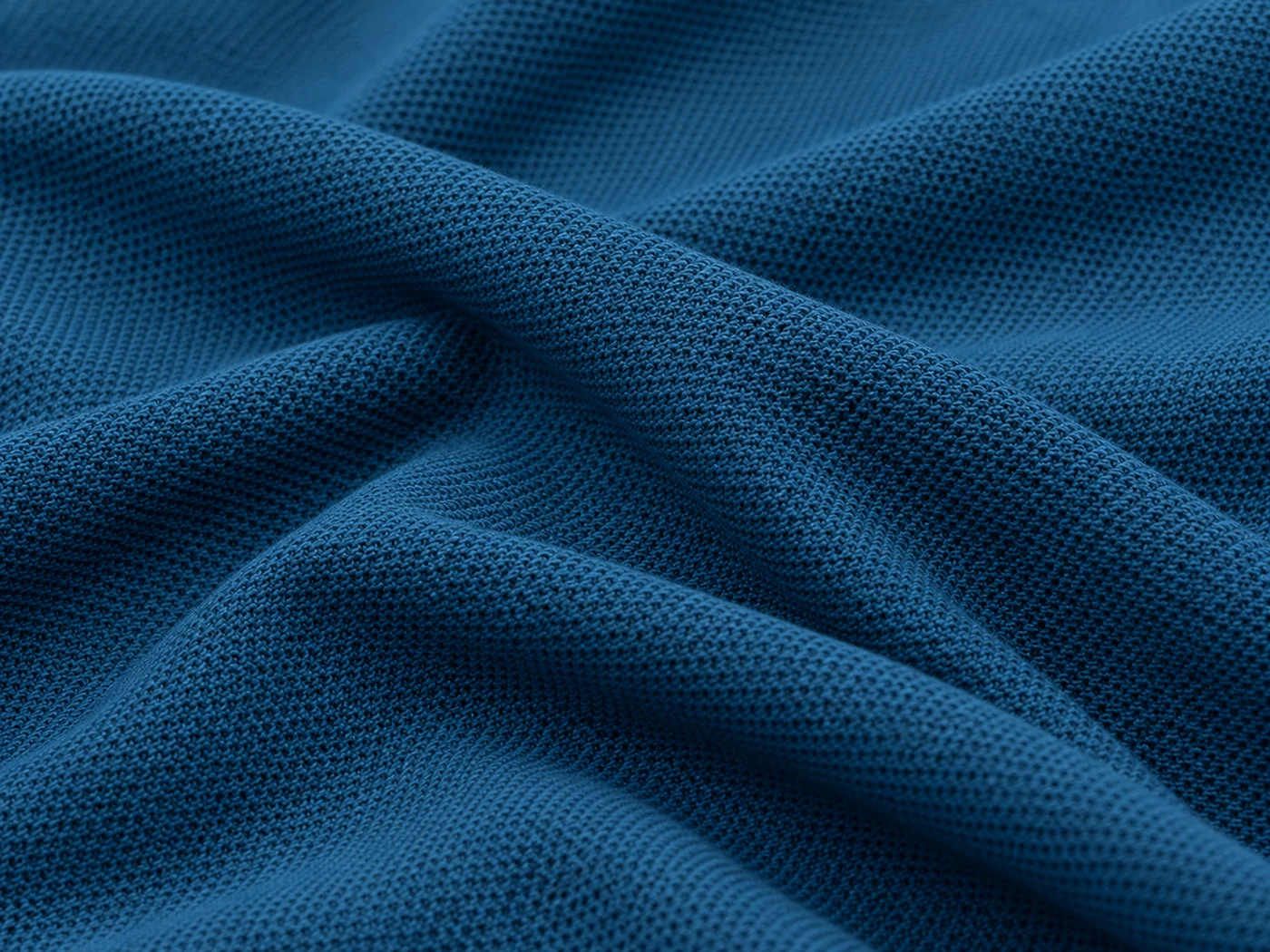
Heat, movement, abrasion and laundering call for different textiles. Select composition, weight and construction together, rather than buying on fabric weight alone.

Core fabric types — what your work shirt is built from

TC Fabric

TC Fabric

65% Polyester / 35% Cotton130–280 g/m²

The dependable choice for warehouse and light-industrial shirts. Polyester supports easy care and shape retention; cotton gives a more comfortable next-to-skin feel. Match the finish to the intended wash program.

General workwear · Warehouse
CVC Fabric

CVC Fabric

60–80% Cotton dominant150–260 g/m²

A cotton-rich blend for softer drape and everyday comfort. Develop chest embroidery on the selected fabric and backing, then check puckering and after-wash appearance on the actual shirt.

Corporate · Retail · Hospitality
100% Cotton

100% Cotton

Cotton · pre-shrunk options150–300 g/m²

A breathable natural-fibre option for warm conditions and long shifts. Pre-shrunk finishing helps manage dimensions; a measured wash trial confirms the finished garment’s fit before bulk approval.

Healthcare · Kitchen · Hot climates
100% Polyester

100% Polyester

Performance woven / knit120–220 g/m²

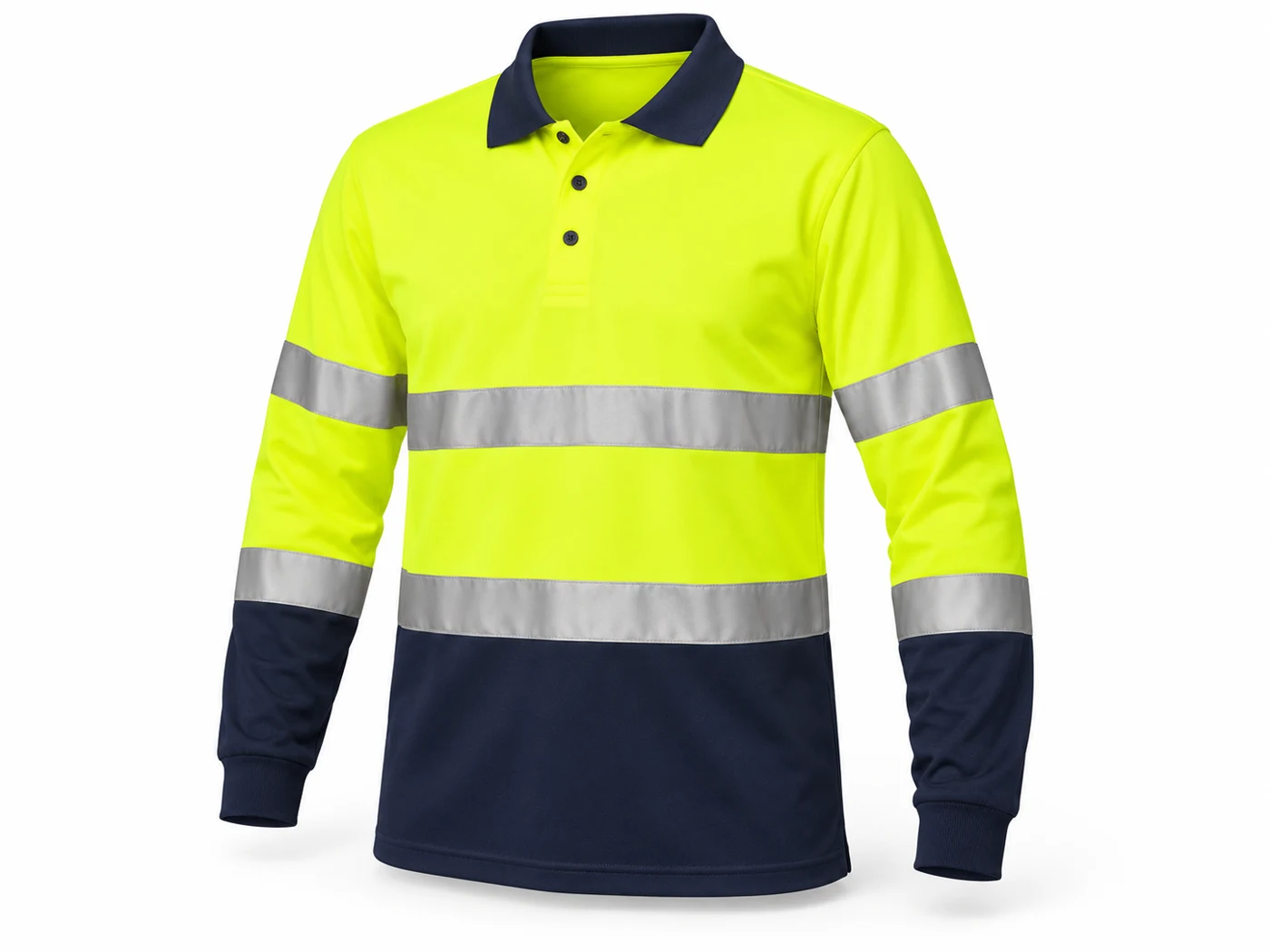
Lightweight, quick-drying constructions for active crews and performance polos. Review moisture management and snag resistance with the material supplier. Light-coloured polyester is suitable for sublimation.

Hi-vis base · Outdoor · Print programs
Oxford / Twill

Oxford / Twill

Cotton or poly-cotton weave200–400 g/m²

Choose a structured basket weave or rugged twill for demanding work. Reinforce pocket corners and other stress points, then balance durability against the weight your team will wear all day.

Construction · Heavy civil
Printing & decoration

Seven ways to brand your work shirts.

Choose the process around the artwork, textile, wash routine and order volume. A physical sew-out or strike-off makes the decision tangible.

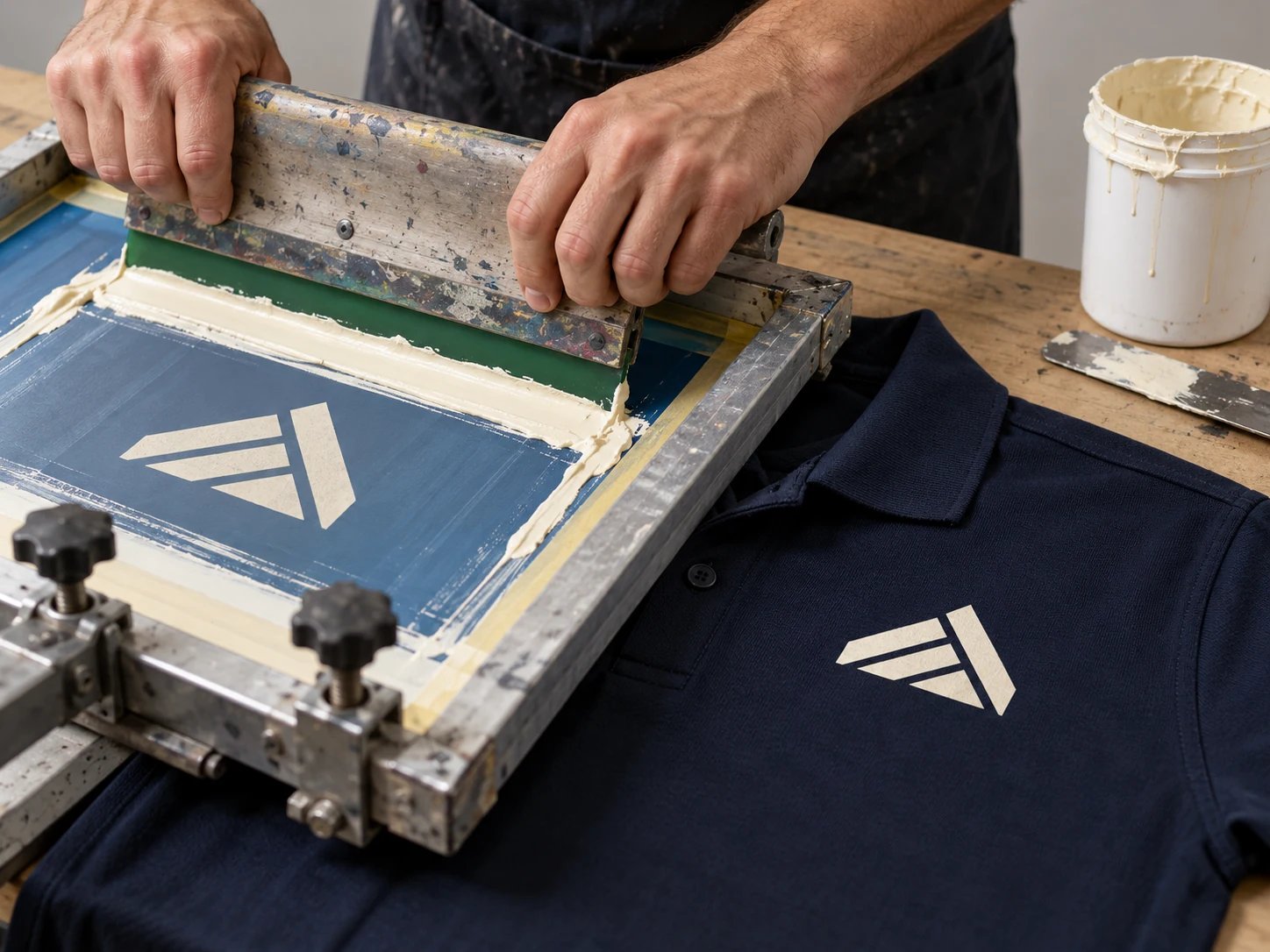
Screen Printing work shirt branding example
01

Screen Printing

High volume

Bold logos and solid colours at repeat-order quantities. Approve the ink, opacity and curing on your actual shirt colour before committing to the run.

Best for
100–5,000+ units
Finish
Opaque ink surface
Wash specification
50+ cycles: test target
Planning window
3–5 days after art approval
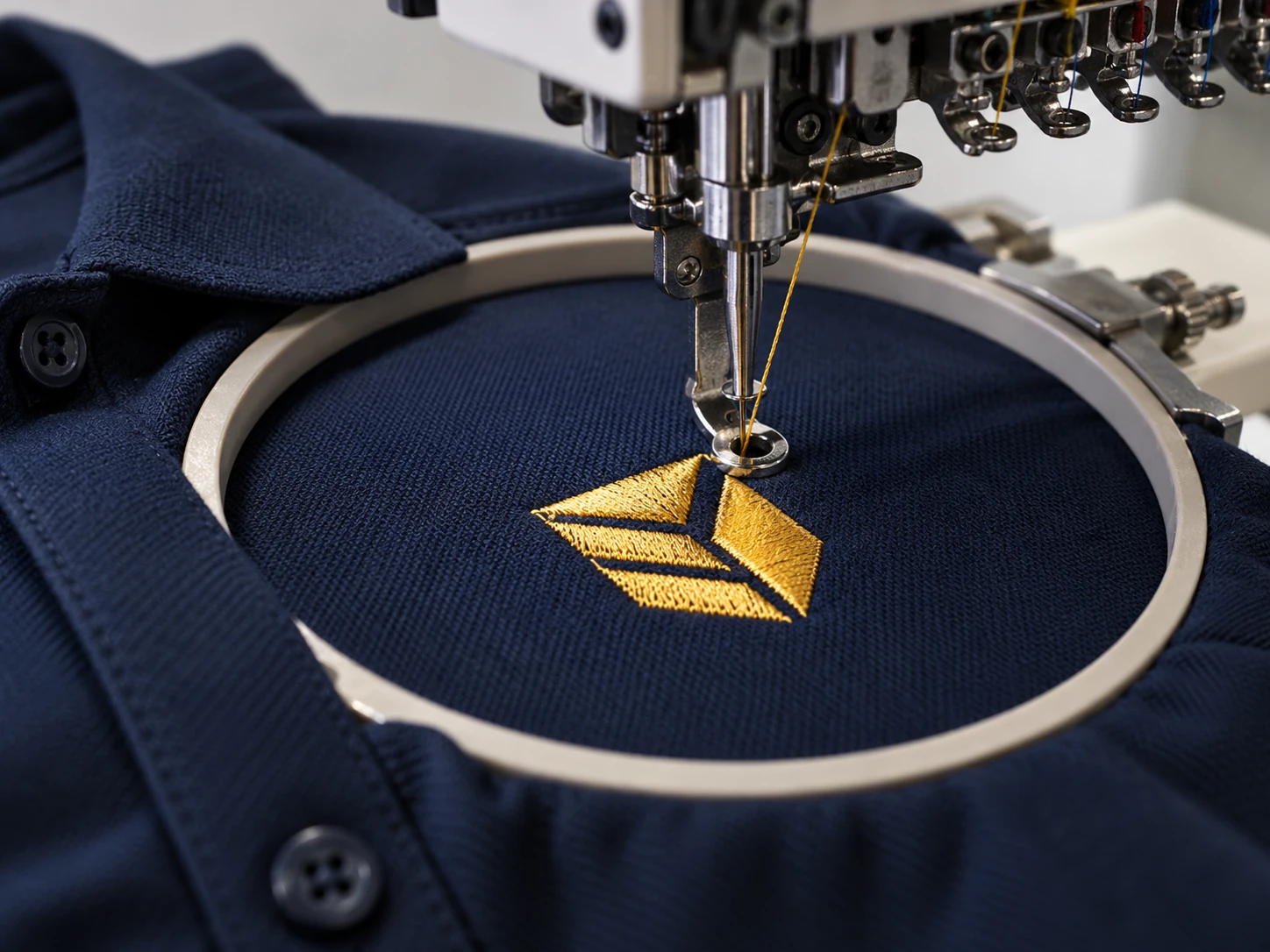
Embroidery work shirt branding example
02

Embroidery

Premium branding

A durable, dimensional finish for chest logos and patches. Control thread colours, backing, stitch density and placement so small and large shirt sizes present the same brand.

Best for
50–5,000+ units
Finish
Flat or raised options
Wash specification
Agree wash procedure
Planning window
24hr proof; 5–7 day run
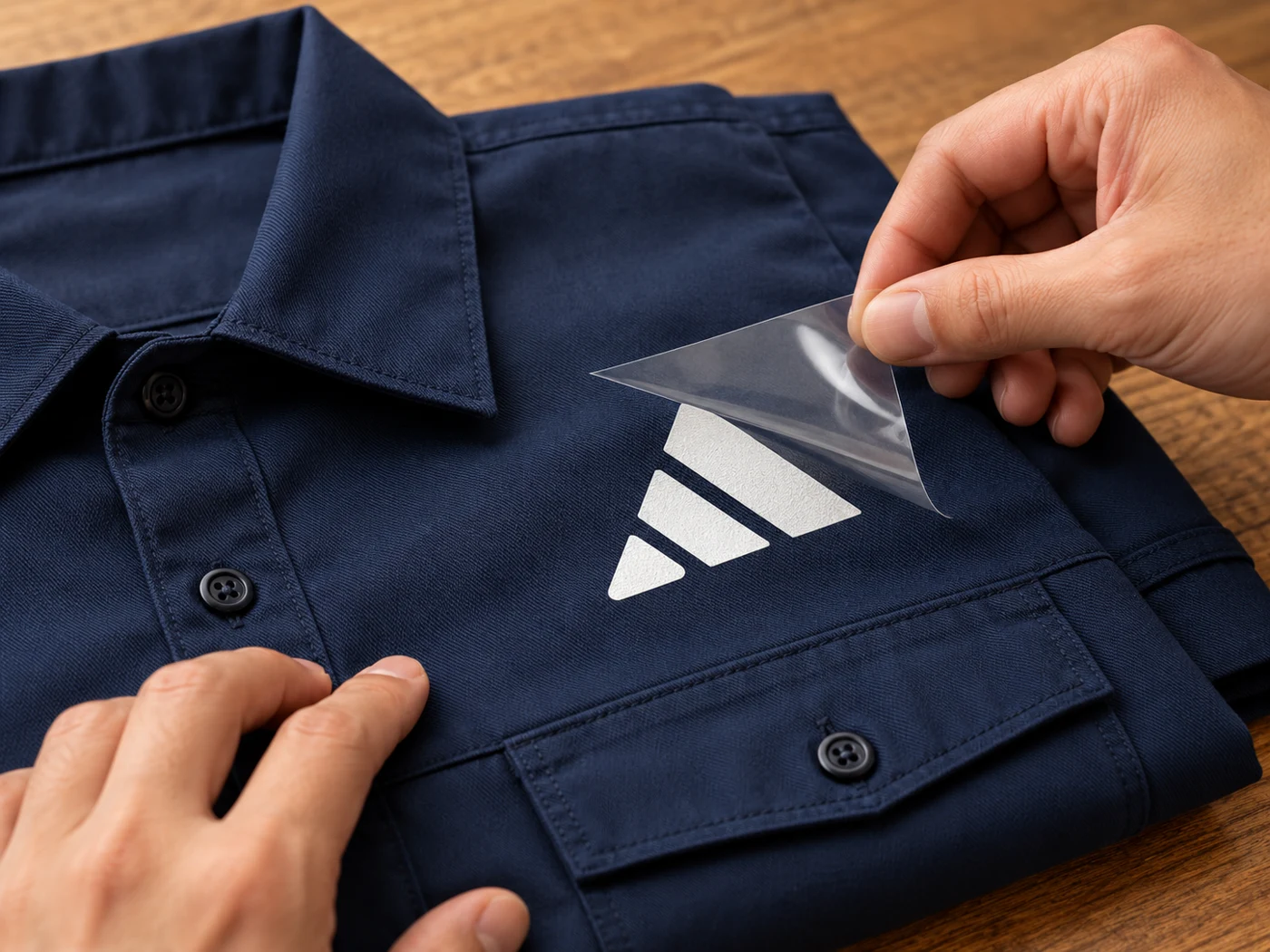
Heat Transfer / Vinyl work shirt branding example
03

Heat Transfer / Vinyl

Small batches

Names, numbers and small logos without a screen for every colour. Check adhesion, stretch and edge lift on the selected textile after the required care cycle.

Best for
10–500 units
Finish
Smooth film finish
Wash specification
30–50 cycles: test target
Planning window
2–3 day decoration window
DTG — Direct to Garment work shirt branding example
04

DTG — Direct to Garment

Fine detail

Detailed multicolour artwork on suitable cotton-rich shirts. Approve pretreatment, colour depth and hand-feel on a physical print sample rather than a digital mockup.

Best for
1–200 units
Finish
Soft print surface
Wash specification
30–50 cycles: test target
Planning window
1–3 day decoration window
Sublimation work shirt branding example
05

Sublimation

All-over colour

Colour enters a compatible polyester textile for full-panel graphics with no added print film. Check the white point, panel alignment and colour before the shirt is assembled.

Best for
50–2,000+ units
Finish
Colour within the fibre
Wash specification
Check colourfastness
Planning window
5–7 day decoration window
Reflective Printing work shirt branding example
06

Reflective Printing

Visibility details

Reflective transfers and trim layouts developed around the required visibility class. Confirm approved components, total visible area and the finished garment test scope.

Best for
Order-specific volume
Finish
Silver reflective surface
Wash specification
50+ cycles: verify scope
Planning window
Allow time for testing
Woven Labels & Brand Trims work shirt branding example
07

Woven Labels & Brand Trims

Your label

Make the shirt ready for your own collection: woven neck labels, care information, hang tags, buttons and interior tape. One approved bill of materials prevents missing finishing details.

Best for
Private-label programs
Finish
Woven / printed / embossed
Wash specification
Match garment care
Planning window
Develop alongside sampling

Decoration quantities, wash targets and timing are method-specific planning inputs; garment MOQ and the approved production schedule apply separately.

Quality control

Five gates before
your shirt ships.

Quality is built into the order, not inspected in at the end. Connect every check to an approved fabric, sample or packing instruction, with a clear action when a result is outside specification.

01

Incoming Fabric Lot Review

Check composition, tensile requirements, colourfastness under ISO 105-C06 and dimensional change using the agreed washing and measurement methods. Match the roll identification to the approved material.

Material outside specification is held before cutting.
02

In-Line AQL 2.5 Sampling

Inspect collars, sleeve setting, pockets, seams and buttonholes against the sealed reference. Define the sampling level and defect categories before production starts.

Recurring defects trigger correction before more pieces move forward.
03

Dimensional Audit

Check shoulder, chest, sleeve and body measurements at the agreed frequency. Specify ±0.5 cm on feasible critical measurements and retain the general tolerance for the remaining points.

Out-of-tolerance garments are segregated for review and rework.
04

Independent Testing

For protective shirts, define the required laboratory scope, material identification and test evidence. Address NFPA, EN ISO, visibility or harmful-substance requirements only where applicable.

Required reports form part of the shipment-release decision.
05

Pre-Shipment Carton Audit

Reconcile style, colour, size and quantity to each PO line. Inspect labels, barcode readability, bags, carton marks and the agreed carton-strength checks.

Correct discrepancies before sealing the shipment.
Manufacturing process

How your work shirts get made.

Six connected stages from the fabric decision to the finished carton. Your approved sample is the reference throughout.

Fabric Selection & Hand-Feel Calibration
01
01

Fabric Selection & Hand-Feel Calibration

A shirt sits against the skin for a full shift. Compare the actual blend, weave and weight for hot warehouses, outdoor crews or cooler working environments. Approve shrinkage, colour and hand-feel before pattern cutting.

Choose for the shift, then keep a retained material reference.
Pattern Grading & Fit Across Sizes
02
02

Pattern Grading & Fit Across Sizes

Develop your XS–6XL range around body measurements, ease and movement. Check collar spread, shoulder slope and sleeve pitch at the size breaks. A production-weight fit sample makes grading decisions visible.

Approve the fit before bulk fabric is cut.
Collar, Cuff & Placket Construction
03
03

Collar, Cuff & Placket Construction

Select soft or structured interlining to suit the role. Reinforced buttonholes, balanced cuffs and a stable front placket help the shirt stay presentable through repeated care. Review bonding and appearance after washing.

Control the details customers notice first.
Assembly & Decoration Integration
04
04

Assembly & Decoration Integration

Plan seam construction, reinforcement and branding in the same production sequence. Place embroidery before assembly where access requires it; verify reflective layout and artwork position against the approved sample.

Decoration belongs in the construction plan.
Final Inspection & Order Documentation
05
05

Final Inspection & Order Documentation

Inspect measurements, button security, buttonhole alignment and seam appearance. Compare prints, embroidery and reflective placement to the sealed reference. Bring the applicable test and inspection records into the PO file.

Release against the approved specification, not a last-minute promise.
Press, Pack & Dispatch
06
06

Press, Pack & Dispatch

Press shirts, apply the approved labels and tags, and pack by your size, SKU or site allocation. Reconcile cartons to the manifest, then coordinate the agreed FOB, CIF or DDP delivery arrangement.

Receive an organised shipment ready for your distribution plan.
Factory direct
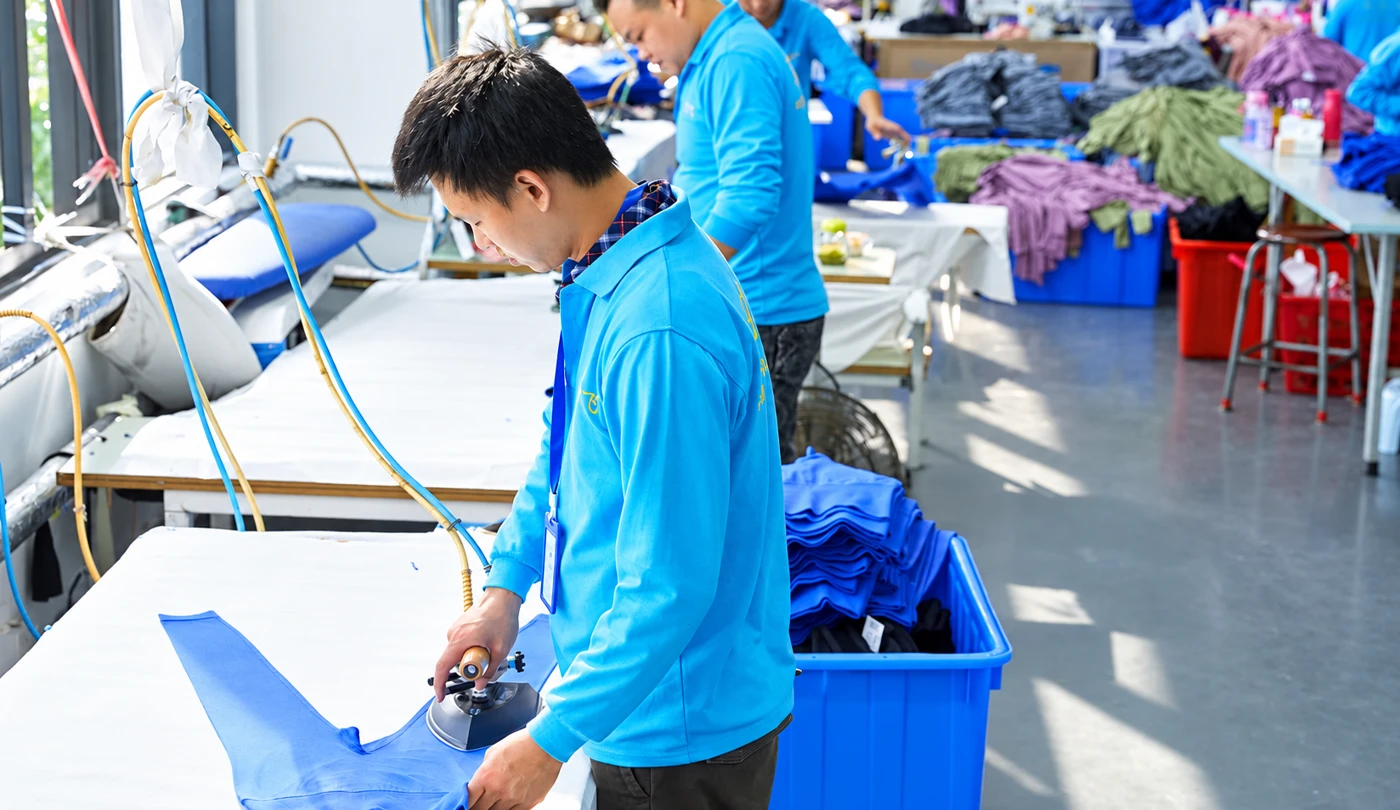
Real garment production floor from the supplied factory photo library
Factory direct

The floor behind
your work shirts.

Work directly with Washedloom on the details that control the result: material, pattern, construction, branding and inspection. Our 15,000 m² manufacturing facility brings a 130-person team and 10 production lines to your production brief.

Ask for a clear view of the operation handling your shirts. Review the approved sample, production milestones and order records with the people coordinating the run.

15,000 m²Manufacturing Facility
130Employees
10Production Lines
500,000Pieces Annual Capacity
Certifications & audits

Records that support
your purchasing decision.

Match every document to the named facility, selected material or finished garment. BSCI and SMETA concern social auditing; they are not product certifications.

ISO 9001:2015 document

ISO 9001:2015

Quality management

Reference document
amfori BSCI document

amfori BSCI

Social compliance audit

Code of Conduct reference
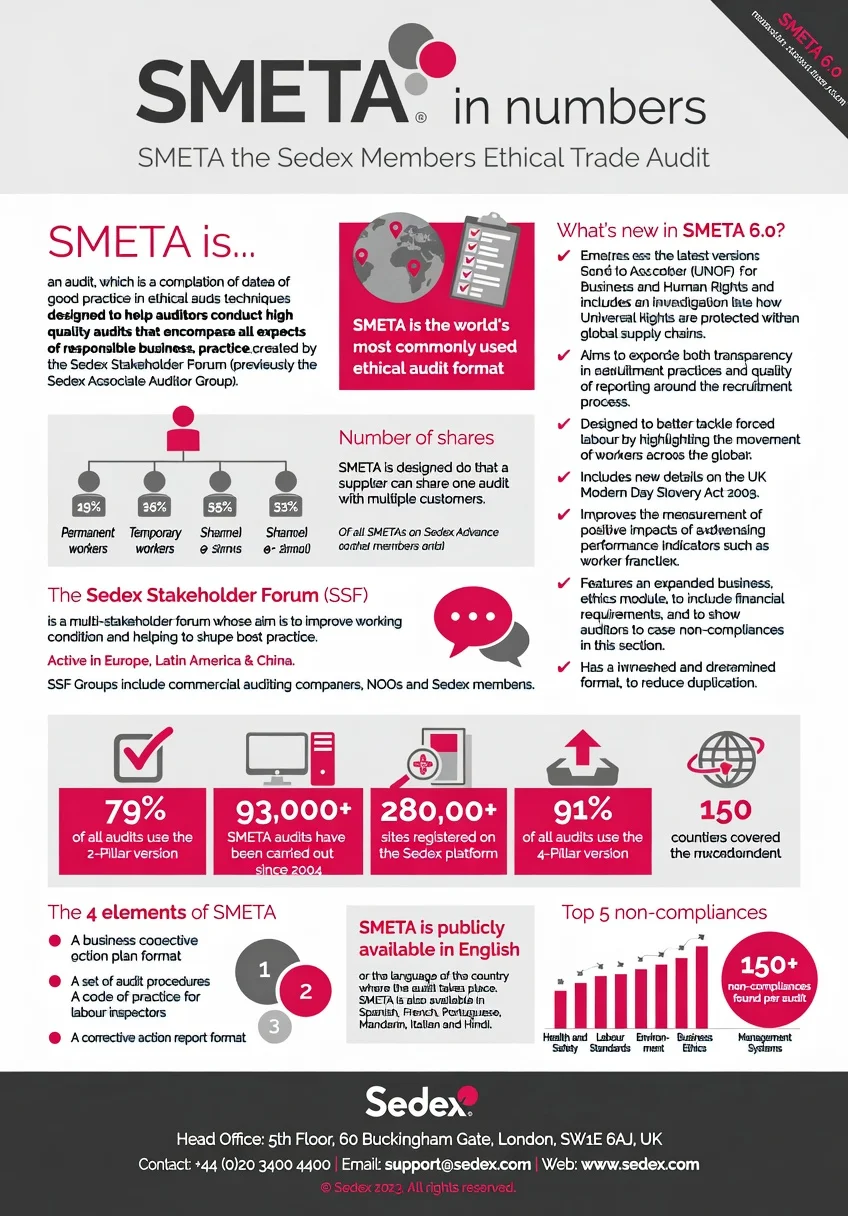
Sedex SMETA document

Sedex SMETA

Ethical trade audit

Information poster
OEKO-TEXSTANDARD 100

Certificate record
for the selected textile

OEKO-TEX STANDARD 100

Textile harmful-substance testing

Material-specific record
ISO 45001 document

ISO 45001

Occupational health & safety

Supplied image · expired 19 Aug 2026
Your timeline

Your shirts.
Your production plan.

Clear milestones make the order easier to manage. Separate sample approval, bulk production and freight so the warehouse date has a workable basis.

01
Your brief

Send the work your crew does

Share a tech pack, reference shirt or initial design. Include quantities, size range, climate, branding and destination. We turn those inputs into a production brief and identify decisions that could affect cost.

02
Next 24 hours

Get a quotation you can compare

Review fabric, trims, labour, decoration, packaging and freight as distinct cost lines. Specify the delivery term and named destination so every quotation covers the same scope.

03
5 business days

Approve the physical sample

Review the production fabric, fit, collar, cuffs and branding on one finished sample. Record measurements, colour and wash requirements before approval; allow shipping and revision time separately.

04
15–20 days after approval

Follow your production milestones

Bulk manufacturing starts from the approved sample and ready materials. Agree photo updates at fabric cutting, assembly, decoration and final inspection. Resolve changes through the specification record.

05
Freight quoted separately

Receive a PO-matched shipment

Confirm carton allocation, tags, barcode labels and manifest before dispatch. Choose the freight route around your destination and receiving date. Production time and transit time remain separate.

The Washedloom difference

Factory access.
Specification control. Fewer loose ends.

Compare the whole production route, not only the unit price. Your fabric, fit, finish and order records decide the value of the finished shirt.

What mattersDistributor: compare the scopeWashedloom · Factory directOther factory: verify the detail
Fabric selection
Stock-led choice; compare composition, GSM and material availability.
5 core fabric families · 120–400 g/m². TC, CVC, cotton, polyester and Oxford/twill matched to the job, with an approved lot reference.
Require composition, GSM and lot-level evidence; a catalogue photo does not establish the material.
Fit & sizing
Check available size blocks and any alteration charges.
XS–6XL grading · ±0.5 cm on agreed critical points. Review collar, shoulder and sleeve balance by size, with a sealed fit reference.
Ask for the graded chart and a size-set review; confirm the tolerance for every measured point.
Collar & cuffs
Ask which interlining is supplied and what after-wash evidence is included.
50+ wash cycles can be specified as an approval target. Select soft or structured interlining; inspect curling, bubbling and cuff shape under the agreed care procedure.
Request the actual interlining specification and wash-test result; do not infer durability from a new sample.
Decoration durability
Check whether logo development, decoration and testing are separate charges.
7 branding methods · 24-hour embroidery proof planning. Select direct embroidery, print or transfer on the actual fabric; agree the placement and wash criteria before bulk.
Compare a physical sew-out or strike-off and its care test, including the specified reflective component where relevant.
Production accountability
Confirm who owns the sample, factory updates and corrective-action decisions.
10 production lines · 130 employees · 15–20-day bulk planning. Keep sample decisions, AQL 2.5 checks and corrective actions in one PO file; production starts after approval.
Verify the manufacturer, inspection plan, production schedule and documented remedies before paying a deposit.
In the field

Work shirts where the work happens.

Choose the uniform around the task, climate and wearer. These original garment scenarios illustrate application direction.

Utilities & Field Maintenance work shirt application concept
Utilities & Field Maintenance
Warehouse & Logistics work shirt application concept
Warehouse & Logistics
Engineering & Technical Teams work shirt application concept
Engineering & Technical Teams
Industrial Operations work shirt application concept
Industrial Operations
Security & Site Services work shirt application concept
Security & Site Services
Corporate & Customer-Facing Teams work shirt application concept
Corporate & Customer-Facing Teams
Buyer perspectives

What a stronger shirt program
means for the buyer.

Illustrative buyer stories and portraits show the intended use of this module; they are not verified customer testimonials.

“

Planning example: 300 field technicians, one controlled shirt specification. A multi-site team needs the same collar, sleeve fit and fabric hand across its XS–6XL size range. The brief begins with the hazards, climate and wash routine of each role, rather than a generic uniform catalogue.

Set the approval targets before cutting: ±0.5 cm on agreed critical dimensions, a defined colour reference and, where appropriate, a 50-cycle wash evaluation for collar shape, seams and decoration. Any protective garment has its own material and finished-product evidence requirements.

Use a 5-business-day sample plan to review the actual production textile, fit and branding. Once approved, schedule bulk for 15–20 days after sign-off and quote freight separately. Pack by site and size, with AQL 2.5 inspection records tied to the PO. The buyer gains a measurable basis for acceptance and reordering.

Illustrative buyer portrait
Field Operations BuyerIllustrative procurement scenario
“

Planning example: 200 shirts across 2 styles — 100 pieces per style. A new workwear label can test a button-down and a performance polo without losing control of its brand details. Both styles exceed the 50-piece starting MOQ; colour and size allocations remain explicit in the order schedule.

Choose from 5 core fabric families and 7 branding methods. Approve the neck label, care label, hang tag and packaging alongside the garment. For embroidery, use the 24-hour proof planning window to settle thread colours, backing and placement before the finished sample.

Retain 1 sealed reference per approved style, its graded chart and a complete bill of materials. The first bulk run is planned for 15–20 days after sample approval; a 10–14-day repeat-order target depends on material readiness and the locked specification. These are planning inputs for the example, not claimed historical customer results.

Illustrative buyer portrait
Private-Label Workwear BuyerIllustrative brand-development scenario
FAQ

Questions buyers ask
before the first order.

Bring your fabric, fit, branding and delivery questions into the same discussion.

What is your MOQ, and what does it cover?

The draft production basis is 50 shirts per style / SKU. A style–colour combination is reviewed separately, with sizes allocated within the order. Samples can be developed from one piece. Confirm sample-fee credits and reorder minimums in your quotation.

How long are sampling, production and delivery?

Plan 5 business days for sampling and 15–20 days for bulk production after final sample approval, subject to the agreed fabric and decoration. Shipping, laboratory testing and revisions are separate windows. A repeat-order target of 10–14 production days depends on material availability and a locked specification.

What decides whether a pre-production sample is approved?

Agree dimensions, colour, construction, branding and care checks in advance. Use ±0.5 in (1.3 cm) as a general reference only where suitable; critical dimensions may use an agreed ±0.5 cm limit. A ΔE ≤1.5 colour target can be specified with the instrument method, lighting and substrate defined. Attach the applicable material and inspection records.

Can I reorder custom work shirts after the first order?

Retain the approved pattern, graded chart, fabric specification, artwork and trim list. Reference dye-lot and colour approvals on every repeat. An archived file shortens development, while a new material lot still needs review before production.

How do I verify quality before committing to bulk?

Approve a sealed sample in the proposed production fabric. Check fit through movement, collar and cuff appearance after washing, button security and branding adhesion or stitch quality. Request the applicable third-party reports and agree the inspection plan before bulk cutting.

Can I mix styles, colours and sizes in one order?

Yes. Build one order schedule across button-downs, polos or other shirt styles, with a clear quantity breakdown. Each style–colour combination has its own minimum and material requirements; size allocation and packing can be coordinated across departments or sites.

Which branding and embroidery options are available?

Compare direct embroidery, patches, screen print, heat transfer, DTG, sublimation and reflective applications against the selected fabric. Plan thread colours and flat or raised embroidery through a sew-out. Include neck labels, care labels, hang tags and packaging in the same approved specification.

Your next production run

Let’s define your work shirt program.

Send your reference shirt or tech pack with quantities and destination. Turn the brief into fabric choices, an approval sample and a clear production quotation.

Define your uniform program

Preview interaction only. Nothing is sent or stored.

Page planned

This preview contains the Workwear page. Related pages are recorded for later development.

Find a uniform