Skip to content
Site supervisor wearing a yellow-green reflective safety vest and white helmet

Custom Safety Vest Manufacturers — Built for Your Site.

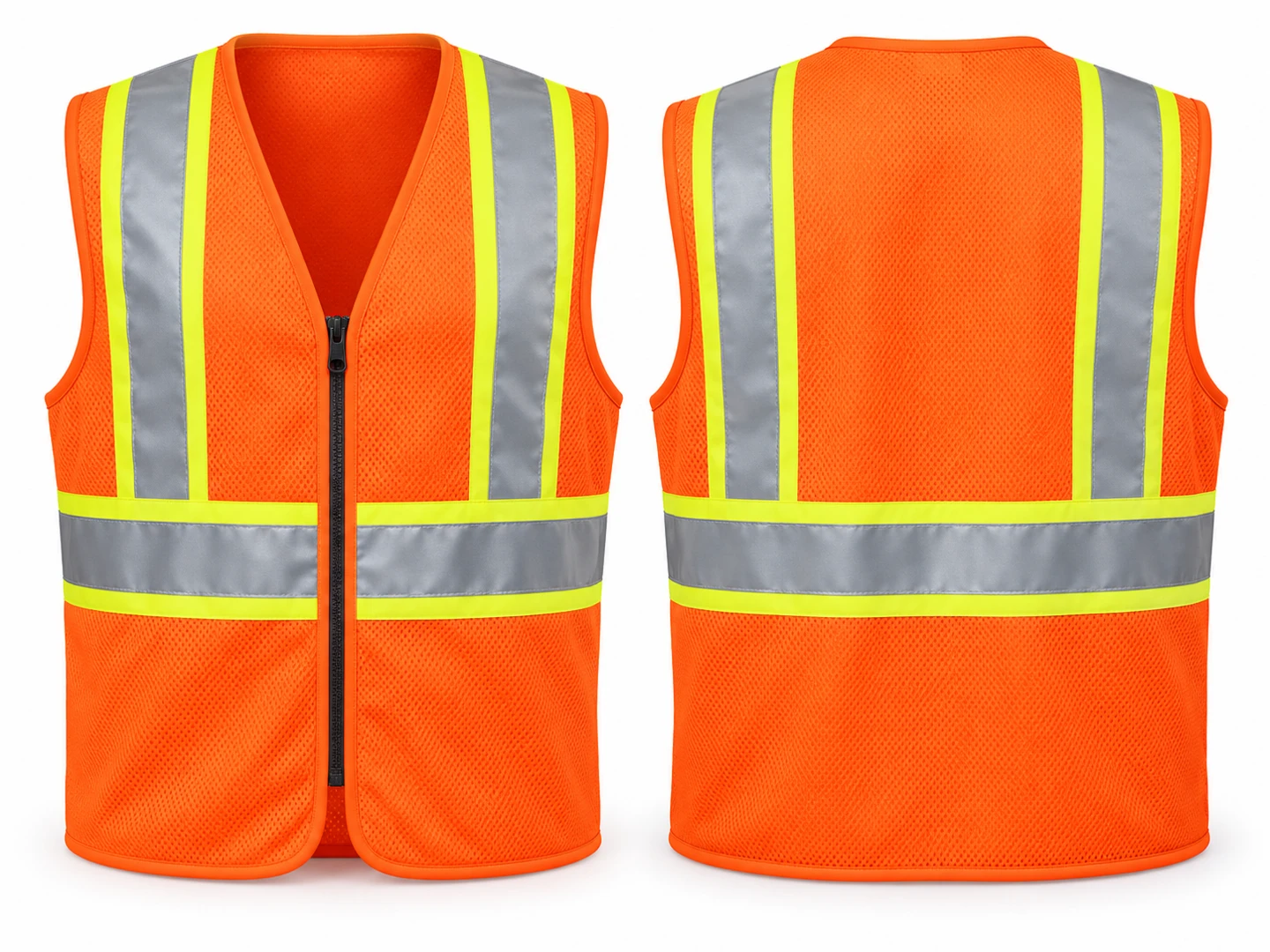
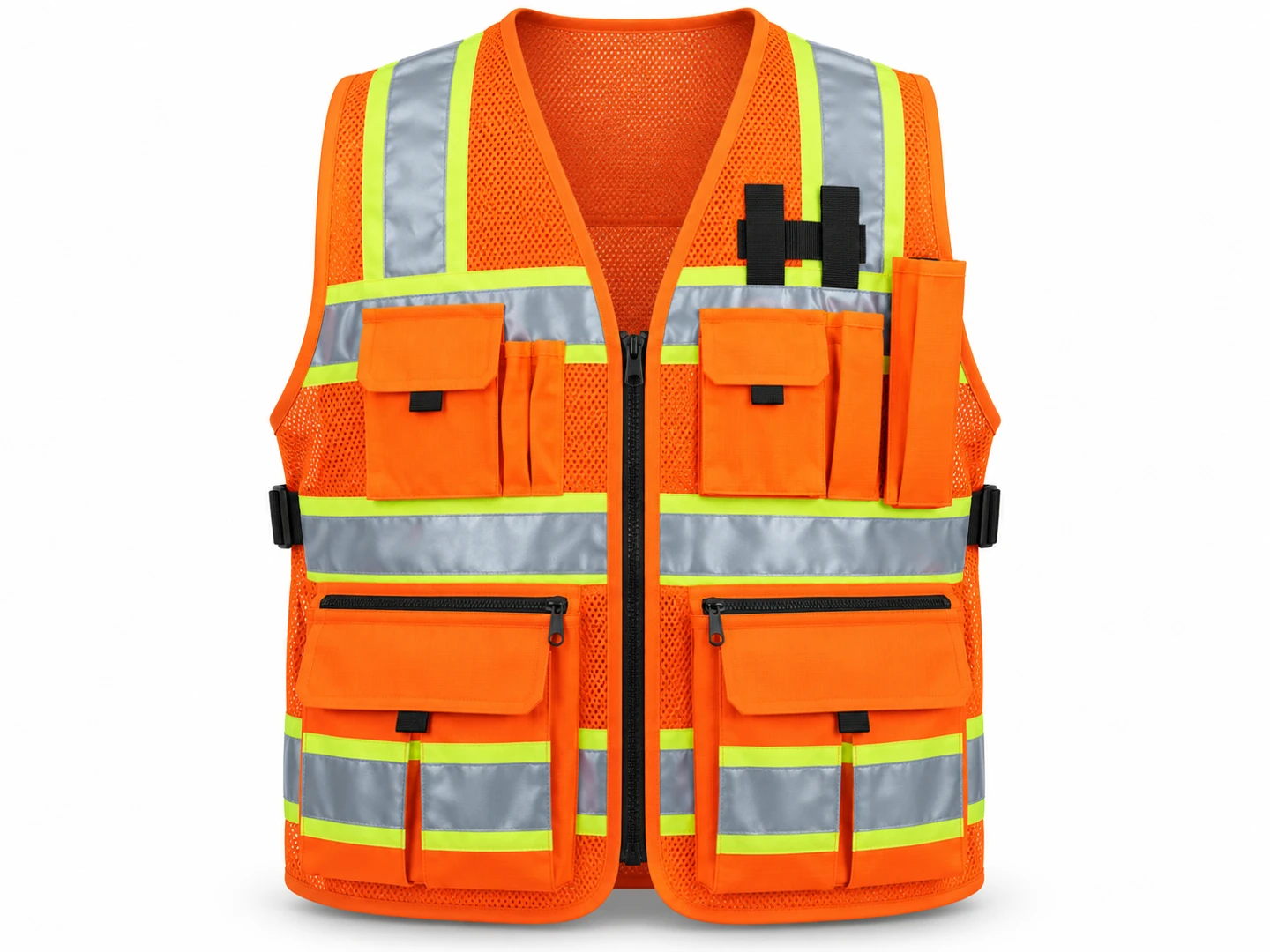
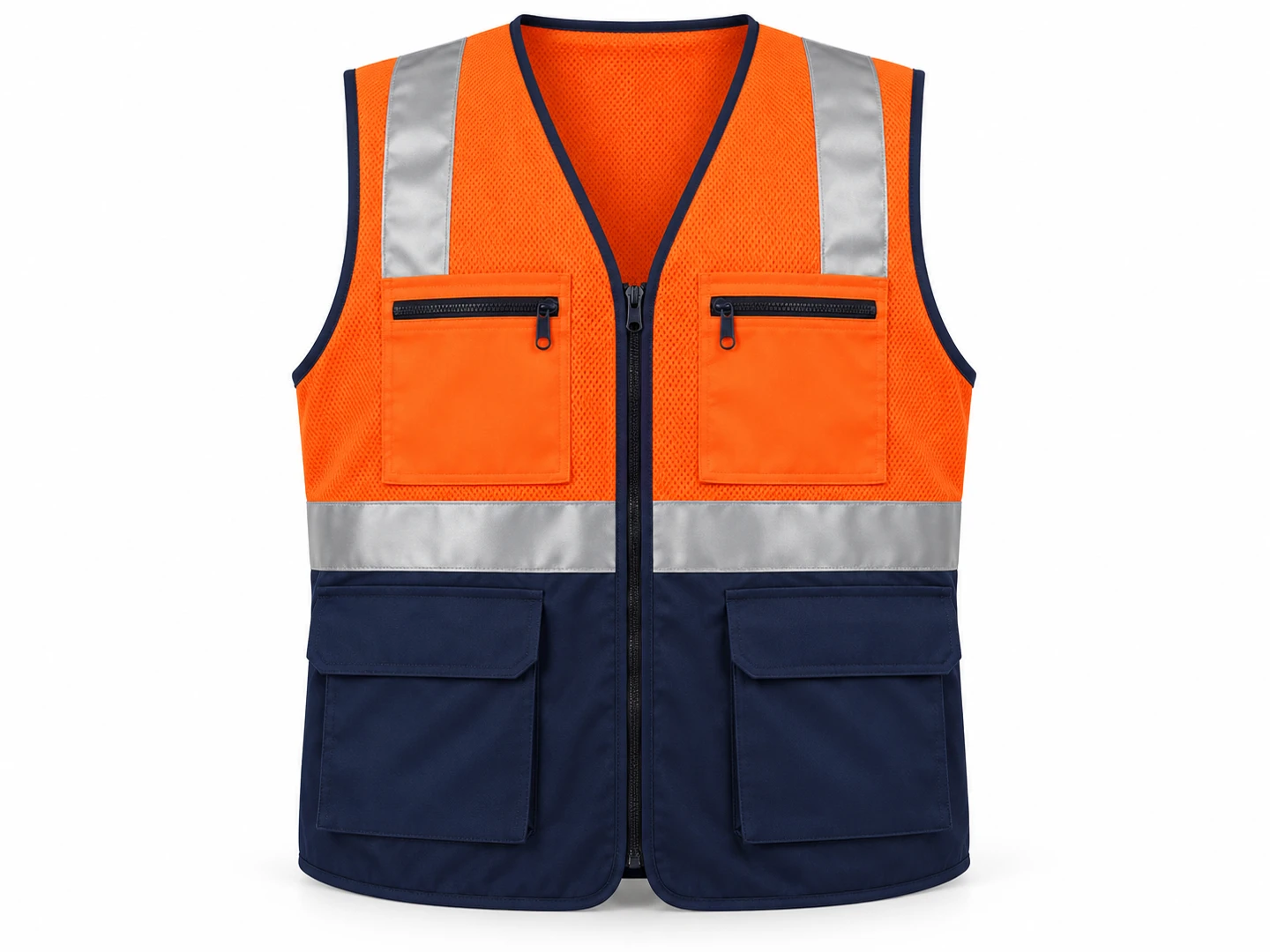
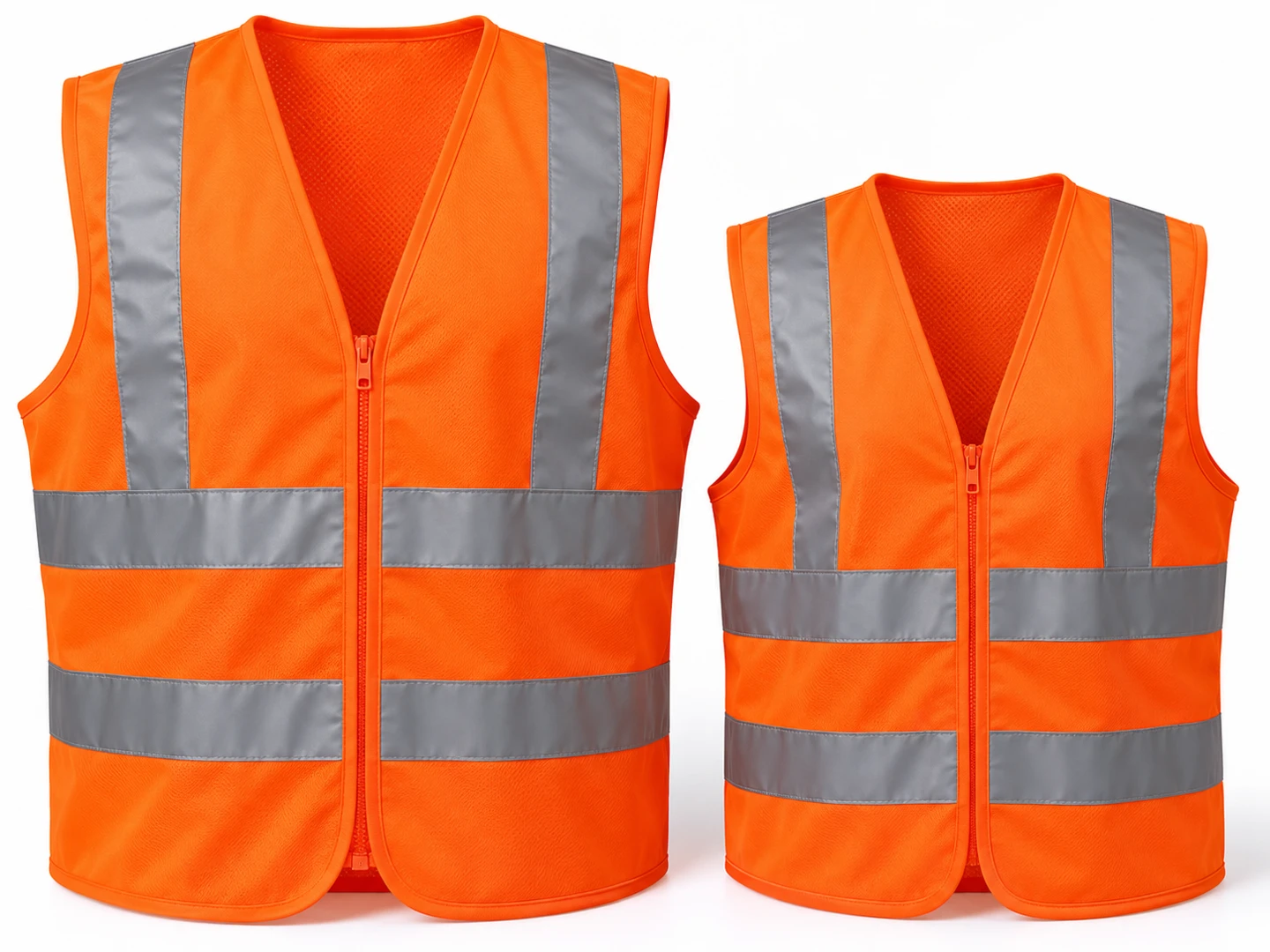
Stop buying a vest on colour and price alone. Get the fabric, reflective layout, fit and branding your crew actually needs—from breathable mesh to reinforced surveyor and breakaway designs. Start with 50 pieces per style, approve a production-material sample and keep your purchasing records connected to the finished vest.

50 piecesStarting MOQ per style
5 business daysSample planning window
10–14 daysStock-configuration production
XS–6XLGraded size options

Custom tape layouts: 15–20 production days after approval. Testing and freight are scheduled separately.

ANSI class selection

Pick the class your site assessment calls for.

Choose the garment type and performance class together. Review material area, design, size and the applicable standard—not a speed threshold alone.

For controlled off-road environments garment application concept

Class 1

TYPE O · OFF-ROADFor controlled off-road environments

Best for

  • Parking and loading areas
  • Warehouse operations
  • Workers around site equipment
  • Roles outside roadway exposure

Tape & garment configuration

Lower material-area class; approve the visible background and reflective layout for the garment size.

Why it matters

Choose around the actual struck-by hazard. A low traffic speed alone does not establish the right class.

For roadway-related work garment application concept

Class 2

TYPE R · ROADWAYFor roadway-related work

Best for

  • Construction work zones
  • Roadside maintenance
  • Surveying and infrastructure
  • Airport / site requirements

Tape & garment configuration

Greater visible background and retroreflective area, with torso coverage and shoulder identification.

Why it matters

Define the type, class, size range and standard edition in the PO. Logos and pockets must preserve the required visible area.

For demanding visibility needs garment application concept

Class 3

TYPE R / P · GREATER COVERAGEFor demanding visibility needs

Best for

  • Complex traffic environments
  • Night maintenance
  • Low-visibility tasks
  • Task-specific public safety work

Tape & garment configuration

Sleeved upper garment or an eligible tested garment ensemble; extra torso tape alone is not enough.

Why it matters

A sleeveless vest by itself is not Class 3. Review the whole garment or ensemble against the applicable standard and site assessment.

Tell us the task, work environment and destination market. Get a class and layout review →

Fabric & reflective technology

Heavy-duty fabrics & tape.
Specified as one system.

Select the fabric around heat, movement and abrasion. Select the tape around the required garment layout, care procedure and component evidence.

Core fabrics

Birdseye Mesh textile texture

Birdseye Mesh

A fine, regular open knit for crews working through heat. Balance airflow against snag resistance and the backing needed for a clean chest logo. Approve tape adhesion on the actual mesh, not a smooth substitute.

Weight
120–150 g/m²
Work-climate reference
50–100°F use brief
Wash approval target
60+ cycles: test target
Breathability
High · fine-porosity airflow

Best for Daily wear, warm warehouses, premium mesh programs

Polyester Tricot textile texture

Polyester Tricot

A smooth warp-knit face with flexible drape. Good for mixed indoor/outdoor crews who need a vest that moves over a polo or sweatshirt. Review colour, tape bond and after-wash dimensions together.

Weight
130–170 g/m²
Work-climate reference
40–90°F use brief
Wash approval target
55+ cycles: test target
Breathability
Medium–high

Best for General workwear, standard reflective vest programs

Nylon textile texture

Nylon

A tougher woven option for frequent abrasion and contact with equipment. Specify tensile and abrasion tests for the chosen construction; do not assume every nylon outperforms every polyester.

Weight
200–280 g/m²
Work-climate reference
20–85°F use brief
Wash approval target
75+ cycles: test target
Breathability
Low · durability focused

Best for Rail yards, marine work, heavy industrial roles

Poly-Cotton · 65/35 textile texture

Poly-Cotton · 65/35

Polyester supports shape retention while cotton adds a familiar workwear hand. A practical direction for fleet and municipal uniform programs, with reinforcement and care matched to the job.

Weight
160–220 g/m²
Work-climate reference
35–90°F use brief
Wash approval target
60+ cycles: test target
Breathability
Medium–high

Best for Municipal uniforms, utilities, coordinated workwear

Ripstop Fabric textile texture

Ripstop Fabric

A reinforcing grid helps limit tear propagation after a snag. Specify the fibre, grid spacing and required tear strength, then check the finished vest at pocket corners and other stress points.

Weight
180–240 g/m²
Work-climate reference
25–95°F use brief
Wash approval target
65+ cycles: test target
Breathability
Medium · grid reinforced

Best for Outdoor construction, forestry, demanding site work

Temperature bands guide the development brief, not PPE temperature ratings. Wash-cycle figures are material-selection targets to validate with the specified care procedure and evidence.

Reflective tape types

Solid Reflective Tape material illustration

Solid Reflective Tape

Specify a 50 mm / 2″ continuous band with a minimum initial coefficient of retroreflection RA ≥330 cd/(lx·m²) at 0.2° observation / +5° entrance. Approve the stitch or bond, edge security and finished layout on the actual vest.

50 mm width · ≥330 RA specification
Glass-Bead Reflective Tape material illustration

Glass-Bead Reflective Tape

A named glass-bead fabric gives procurement a measurable comparison. For example, 3M 8910 lists 500 cd/(lx·m²) initial average, a >330 minimum and 60 home-wash cycles at 60°C in its fabric data sheet. Match the chosen grade to its specified wash procedure.

8910 benchmark · 500 initial RA · 60 home washes
Microprismatic Reflective Tape material illustration

Microprismatic Reflective Tape

For a durable-workwear benchmark, ORALITE® GP 350 specifies 50 household washes at 60°C under ISO 6330:2021, method 6N/F, with tumble drying. Its reinforced prismatic construction is also rated EN ISO 14116 Index 1. Select the component and garment system for the job.

GP 350 benchmark · 50 washes · 60°C
3M Scotchlite™ Material Options material illustration

3M Scotchlite™ Material Options

For industrial-care programs, 3M 9925 lists 100 home washes at 60°C (ISO 6330 6N), 75 industrial washes (ISO 15797-8) and 50 disinfectant washes (ISO 15797-2). Its fabric-family sheet lists 500 initial average RA; lock the genuine grade into your bill of materials.

9925 benchmark · 100 home / 75 industrial washes
Color meaning

Color codes your safety program speaks.

Build a clear site colour system. Fluorescent compliance colours and general role-identification colours serve different purchasing needs.

Fluorescent Orange

Roadwork & equipment zones

A fluorescent background option for the applicable visibility standard; approve colour and material area on the finished design.

Fluorescent Yellow-Green

Construction & traffic programs

Choose a conforming fluorescent textile and verified layout, then protect the visible area when adding logos and pockets.

Green

Site roles & first-aid teams

Useful for role identification where specified by your site. Ordinary green is not a substitute for compliant fluorescent background.

Red

Emergency roles & site identity

A distinctive role colour. Required protective performance depends on the material and garment evidence, not on the colour name.

White

Clean work & visitor teams

A clear identification option for non-traffic roles. Check soil visibility, care and your workplace colour policy.

Blue

Security & supervision

Make supervisors and event crews easier to recognise. Treat colour coding separately from high-visibility conformance.

Pink

Campaigns & branded teams

An option for awareness events or a distinctive uniform program where the site specification allows it.

Black

Commercial & event work

Choose for brand presentation in non-hi-vis duties, with reflective details only where appropriate to the brief.

Order customization

Spec your order — from logo to pallet.

Artwork, fit, labels and distribution requirements are approved together. A complete specification prevents expensive changes at packing.

Logo Application customization concept

Logo Application

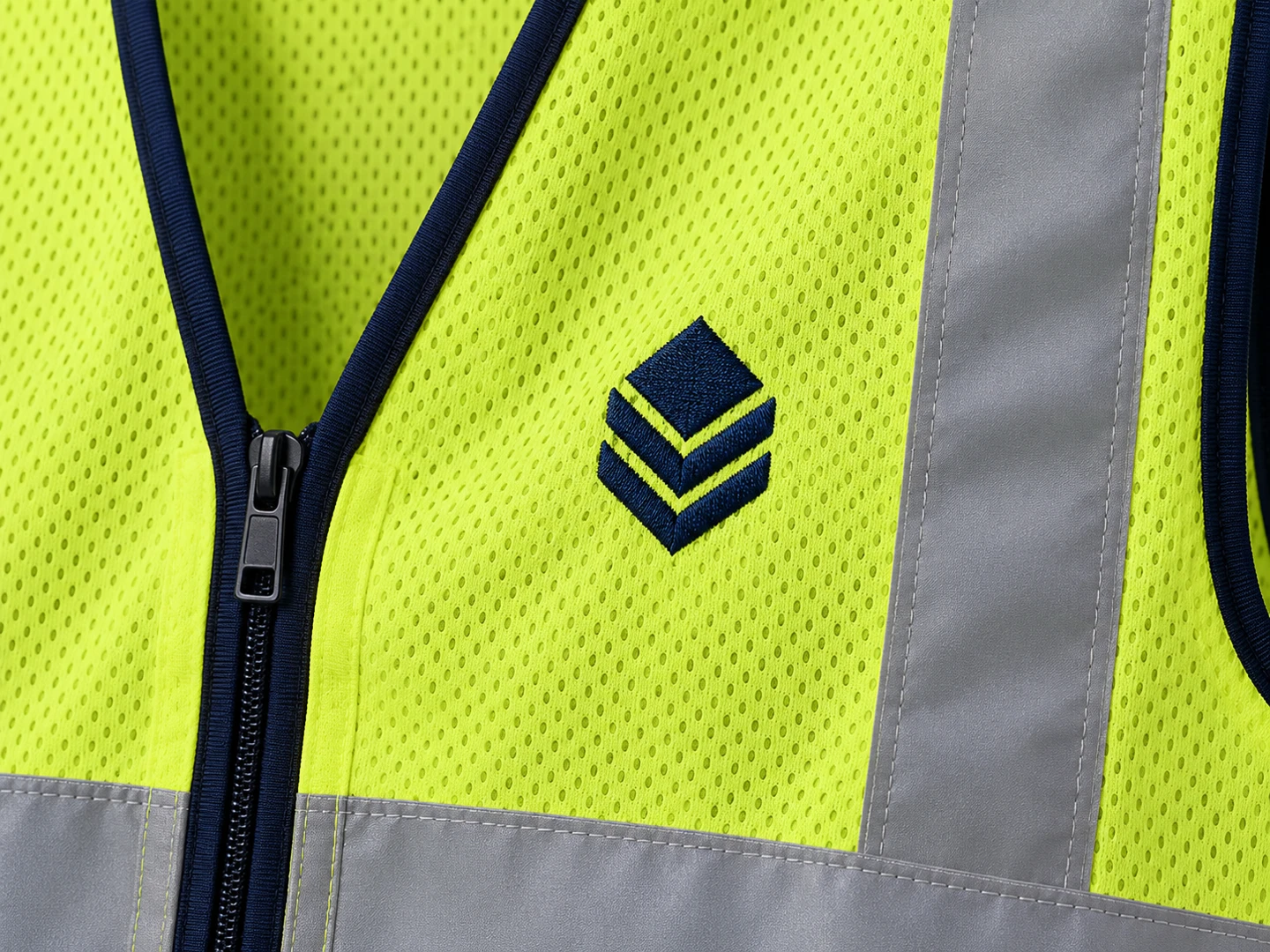
Position your brand without sacrificing required visible area. Compare embroidery, screen print and transfer on the selected textile; approve the placement, backing and wash performance before bulk.

3 methods · up to 12 thread colours · 24-hour proof planning
Size Grading & Fit customization concept

Size Grading & Fit

Order to the size breakdown your crew needs. Develop XS–6XL around clothing layers, reach and bending, with a sealed size reference rather than a generic assortment.

XS–6XL · mixed size allocation · graded measurement chart
Custom Labels & Hang Tags customization concept

Custom Labels & Hang Tags

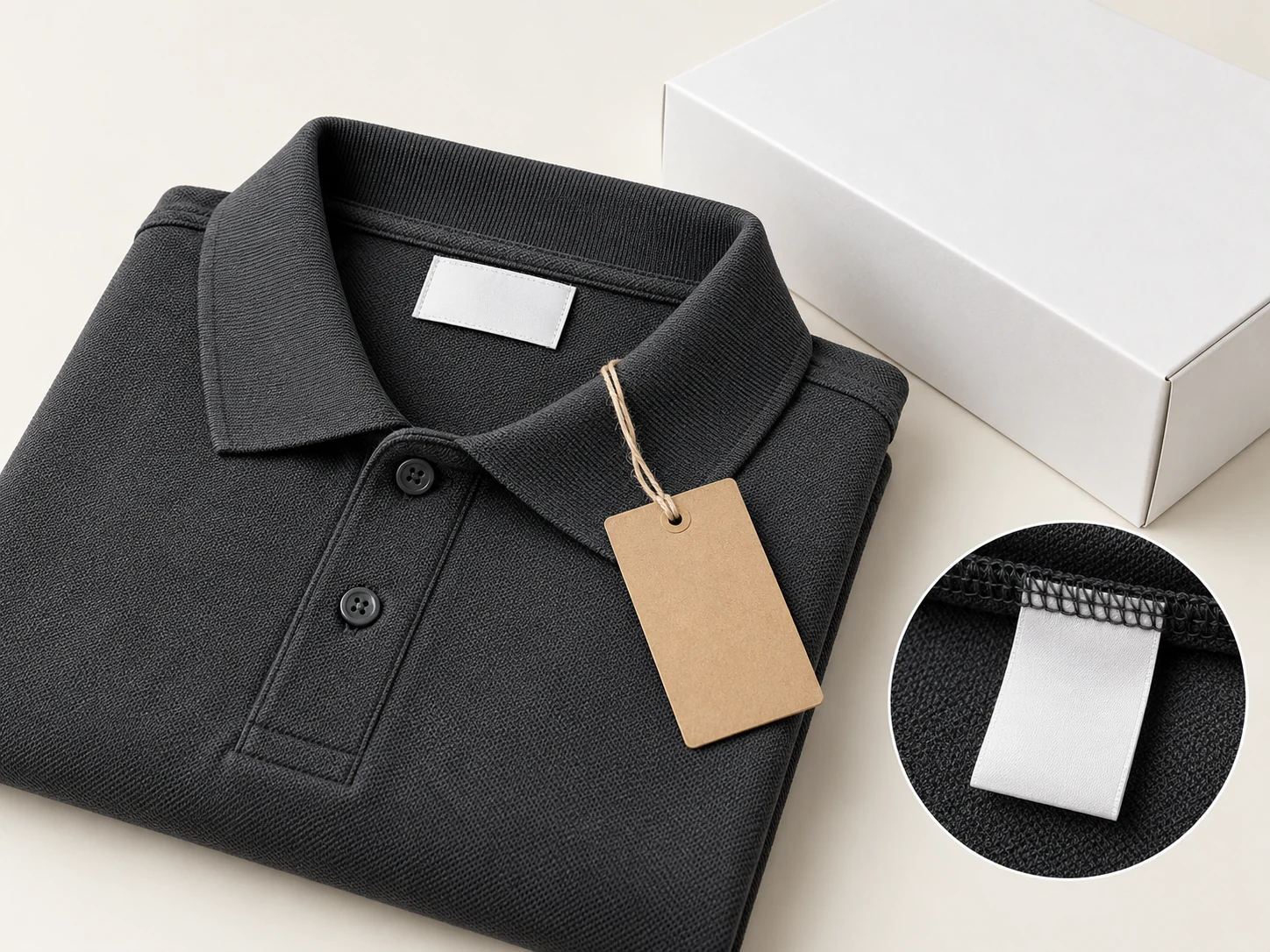
Make the vest ready for your own distribution channel. Coordinate neck and care labels, hang tags, SKU stickers and barcode data with the approved bill of materials.

Woven labels · care labels · hang tags · barcode integration
Packaging & Pallet Configuration customization concept

Packaging & Pallet Configuration

Choose individual bags, bulk packs or retail presentation. Allocate cartons by size, colour, site and PO so the receiving team can distribute the order without unnecessary resorting.

Individual / bulk / retail · carton marks · pallet plan
Size chart

Sizing your crew is one measurement away.

XS–6XL reference sizing keeps the order organised. Confirm chest circumference, back length and movement before approving the final size allocation.

SizeGarment chest · circumferenceBack lengthWearer chest
XS42–44″25–26″32–35″
S44–46″26–27″36–39″
M48–50″27–28″40–43″
L52–54″28–29″44–47″
XL56–58″29–30″48–51″
2XL60–62″30–31″52–55″
3XL64–66″31–32″56–59″
4XL68–70″32–33″60–63″
5XL72–74″33–34″64–67″
6XL76–78″34–35″68–71″

Measure the wearer over their intended base layer. These draft reference ranges are in inches; approve the graded chart and layering ease on a fit sample. General production tolerance: ±1 cm; any tighter critical-point tolerance is agreed separately.

Factory direct

Actual garment production floor from the user-supplied factory library
Factory direct · production visibility

The floor behind
your vest program.

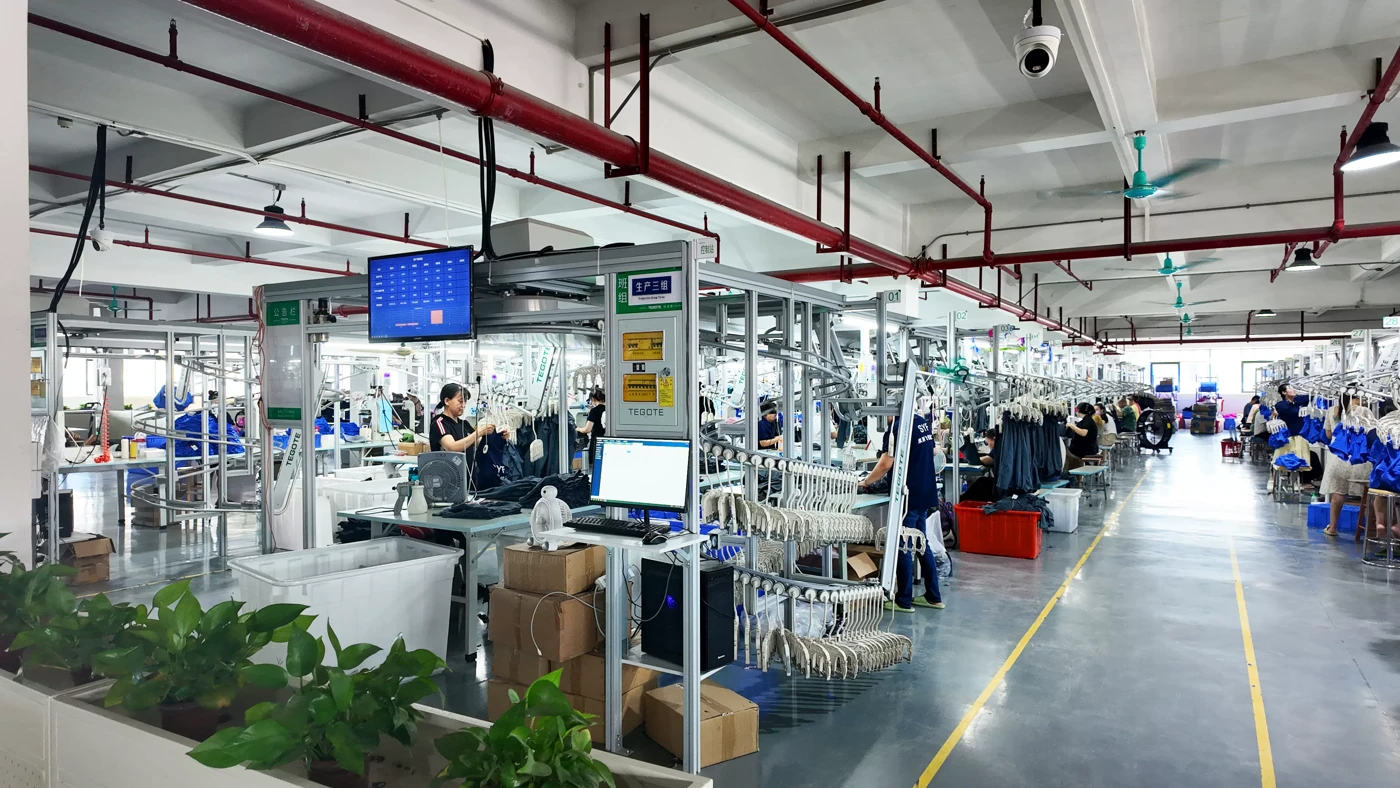
Work directly with a manufacturing team that can connect your material decisions to cutting, assembly and packing. Washedloom brings a 15,000 m² manufacturing facility, 130 employees and 10 production lines to your brief.

Keep one approved sample, a named order contact and clear production milestones. Stock configurations are planned for 10–14 production days; custom reflective layouts for 15–20 days after approval, with laboratory work and freight scheduled separately.

15,000 m²Manufacturing Facility
130Employees
10Production Lines
500,000Pieces Annual Production Capacity
Quality control

5 gates before
your vest ships.

A clear quality plan turns a sample into an acceptance standard. Define the checks, records and stop conditions before production—not when the shipment is ready to leave.

01

Incoming Fabric & Tape Lot Review

Match the physical roll and tape grade to the bill of materials. Check composition, colour, dimensional change, strength and the applicable reflective component records.

Stop gate: Hold material that does not match the approved specification.
02

Pre-Production Layout & Visibility Review

Measure visible areas and tape placement across the proposed size range. Check the applicable garment type and class, including the placement of logos, pockets and closures.

Stop gate: Correct the design before bulk fabric is cut.
03

In-Line AQL 2.5 Inspection Plan

Review tape bond or stitching, seams, fasteners and print position against the sealed sample. Define inspection level and defect categories with the buyer.

Stop gate: Contain recurring defects and correct the process.
04

Dimensional Audit

Measure chest, body length and tape position against the graded chart. Use ±1 cm general tolerance, with ±0.5 cm on feasible critical points when agreed.

Stop gate: Segregate and rework pieces outside the accepted limits.
05

Laboratory Records & Carton Audit

Reconcile the required style-specific reports, declaration and labels with the PO. Audit size/SKU counts, barcode data and carton markings before release.

Stop gate: Do not release against missing required evidence or an unresolved quantity discrepancy.
The Washedloom difference

Factory access.
A specification you can hold us to.

Compare material identity, documentation and accountability alongside price. The strongest quote makes every inclusion and approval criterion visible.

Comparison criteriaDistributor · compare scopeWashedloom · factory directOther factory · verify detail
Reflective tape
Compare the exact supplied tape grade and its care limits.
50 mm / 2″ tape layouts. Record the named grade, attachment method and component evidence against your approved vest.
Ask for component identity, supplier traceability and finished-layout review.
Compliance records
Clarify which style-specific records are included with your purchase.
One PO-linked technical file. Coordinate applicable test reports, declaration, labels and size coverage before shipment release.
Check product scope, standard edition, material identification and report validity.
Customization
Check stock design restrictions and decoration charges.
3 logo methods · up to 12 embroidery colours. Include Pantone reference, artwork size and a 24-hour proof planning window.
Check logo placement against visible background and reflective areas.
Turnaround & MOQ
Compare minimums and the actual production start point.
50 pieces / style · 5-day sample planning. Stock configuration: 10–14 production days; custom tape: 15–20 after approval.
Separate development, testing, bulk production and freight in the schedule.
Wash durability
Ask for the stated wash procedure, cycle count and retirement criteria.
50+ / 100+ cycle targets by tape grade. Agree the required wash durability and validate it with component and garment evidence.
A cycle claim without the care conditions and reflective result is incomplete.
Production accountability
Confirm who can resolve factory questions and corrective actions.
10 production lines · 130 employees. Connect the sample, AQL 2.5 plan, milestones and corrective actions to a named order contact.
Verify the actual production site, inspection access and agreed remedies.
Certifications & records

Standards belong in your purchasing file.

Review the original documents for their issuing body, named organisation, scope and validity. Match garment test reports to the specific vest and required standard.

CE original document supplied by the owner

CE

EU marking guide

ANSI original document supplied by the owner

ANSI

Management-system document

OEKO-TEX original document supplied by the owner

OEKO-TEX

Textile testing certificate

ISO 9001 original document supplied by the owner

ISO 9001

Quality management certificate

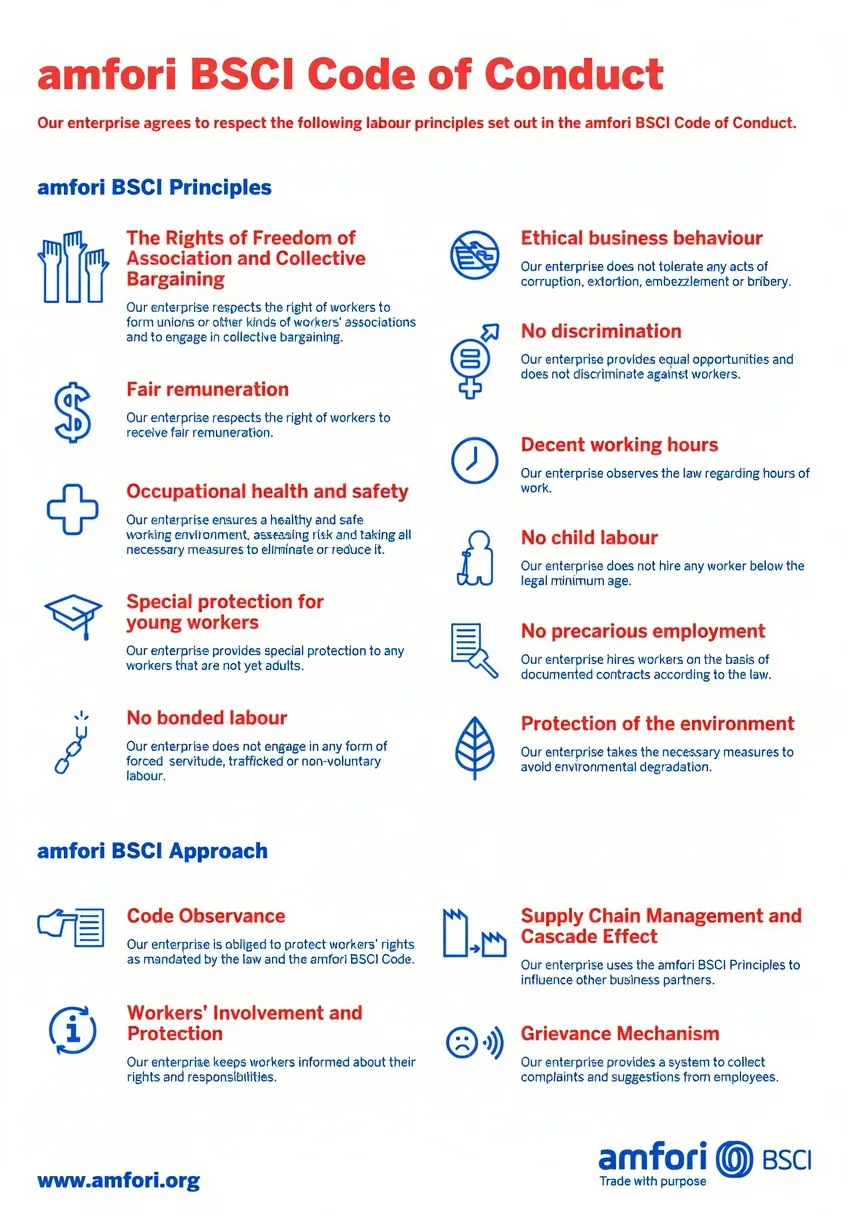
amfori BSCI original document supplied by the owner

amfori BSCI

Code of Conduct

In the field

Safety vests where the work happens.

Choose the garment around the work, climate and site requirements. Original application scenes illustrate the direction of your vest program.

Construction Teams safety garment application concept
Construction Teams
Road & Night Maintenance safety garment application concept
Road & Night Maintenance
Warehouse & Logistics safety garment application concept
Warehouse & Logistics
Airport Ground Operations safety garment application concept
Airport Ground Operations
Utilities & Field Work safety garment application concept
Utilities & Field Work
Rail & Infrastructure safety garment application concept
Rail & Infrastructure
Buyer perspectives

What a controlled vest program
means for procurement.

Illustrative buyer scenarios and portraits demonstrate the intended purchasing approach; they are not verified customer testimonials.

“

Planning example: 400 workers across 8 sites. Divide the requirement by role and exposure before ordering. A 600-vest opening order could allocate 400 initial issues and 200 replacements, with separate specifications for roadway crews and controlled off-road work.

Compare 3 proposed configurations using the same cost basis: textile, tape grade, pockets, branding, testing and packing. Approve the XS–6XL size schedule and one sealed reference per configuration; confirm that logos preserve required visibility areas.

Plan a 5-business-day sample window, then 15–20 production days after approval for custom tape layouts. Use a PO-linked inspection plan, style-specific records and site-labelled cartons so the next order starts from a documented specification.

Illustrative buyer portrait
Construction Safety BuyerIllustrative procurement scenario
“

Planning example: 200 warehouse staff across 3 distribution centres. Begin with a 50-piece pilot in 120–150 g/m² mesh, issued across the actual size and role mix. Review airflow, reaching, pocket access and visibility around the site’s equipment.

Agree a 50-cycle care evaluation target for the proposed material/tape combination and a defined wash procedure. Check adhesion, colour, dimensions and reflective performance rather than judging a freshly unpacked sample alone.

If the pilot is approved, plan a 300-vest rollout with centre-by-centre size allocations. A 10–14-day stock-configuration production window depends on material readiness and a locked specification; freight is quoted separately. These are example planning inputs, not claimed customer results.

Illustrative buyer portrait
Logistics Procurement LeadIllustrative procurement scenario
FAQ

Questions procurement teams
ask before they commit.

Bring the site, material, testing and schedule questions into one discussion.

How do I choose the right type and class?

Start with the work environment, struck-by hazards and site assessment. Specify the applicable garment type, performance class and standard edition. Material area, placement, size and design matter; speed alone is not a selection rule. A sleeveless vest alone is not Class 3.

Can you quote against an existing vest or technical pack?

Yes. Send the reference garment, drawings or photos with material, tape, sizing, decoration, quantities and destination. We compare like-for-like costs and identify changes worth sampling. Savings depend on the specification and order; they are not a fixed percentage.

Can I start with 50 vests and mixed sizes?

The draft starting basis is 50 pieces per style/design. Allocate sizes within the agreed XS–6XL range. Colour combinations, specialist materials and tape layouts may have separate requirements. A one-piece development sample can be reviewed before bulk approval.

How long do samples, production and delivery take?

Plan 5 business days for a sample, 10–14 production days for stock configurations or 15–20 days for custom tape layouts after approval. Laboratory work, revisions and freight are separate. Tell us your site date so the quotation can show a realistic sequence.

How do I compare reflective tape wash-life claims?

Ask for the tape grade, application method, care procedure, cycle count and measured results. A 50+ or 100+ cycle target applies only to a suitable specified component and construction. Review the finished garment and replacement criteria; do not assume one tape claim applies to every vest.

How do you keep bulk production aligned with the approved sample?

Retain a sealed sample made in the proposed production materials, a graded chart and an approved bill of materials. Use the five-gate quality plan, defined AQL 2.5 sampling and agreed critical dimensions. Tie test evidence, inspection results and carton allocation to the PO before release.

Your next vest program

Let’s define your uniform program.

Send the vest style, quantity, size breakdown and destination. Get a production proposal built around your crew and the evidence your purchasing team needs.

Define your uniform program

Preview interaction only. Nothing is sent or stored.

Page planned

This preview contains the Workwear page. Related pages are recorded for later development.

Find a uniform