Starter
50–199 pcs
From $27.90/pc- Custom print and branding brief
- Design support and logo placement
- Agree labels, packing and freight scope
- Ask about a 7-day repeat/rush production option
Develop a resort collection, a team event shirt or a branded Aloha uniform. Choose from five fabric families, explore tropical and contemporary prints, and build the cut around your wearers.
Coordinate the repeat, pocket and placket before production. Sizes XS–5XL, private labels and retail packing can be specified in one approval file.
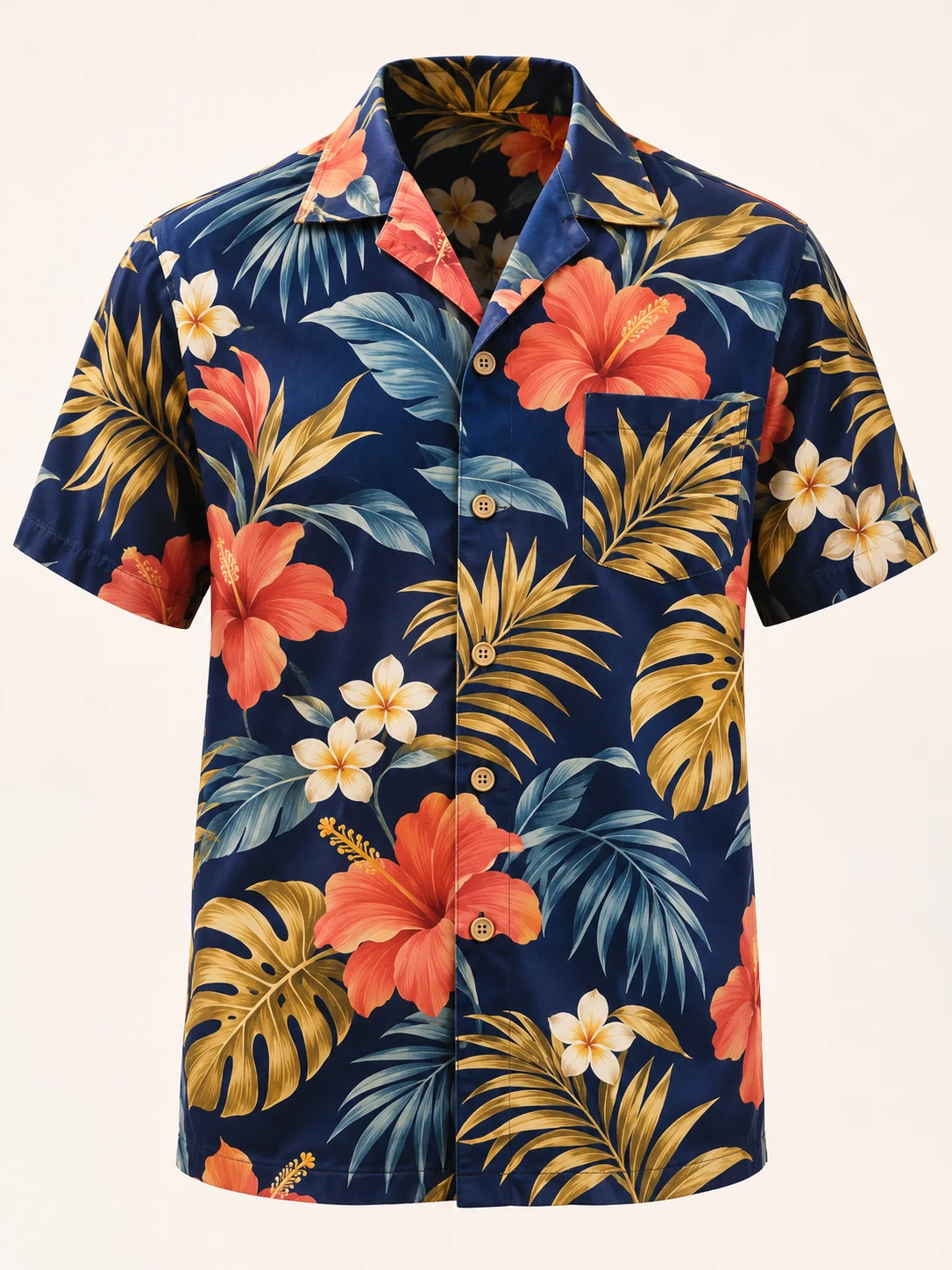
Nine directions to start the conversation. Change the palette, repeat scale, fabric and garment details, or develop an original design from your brief.
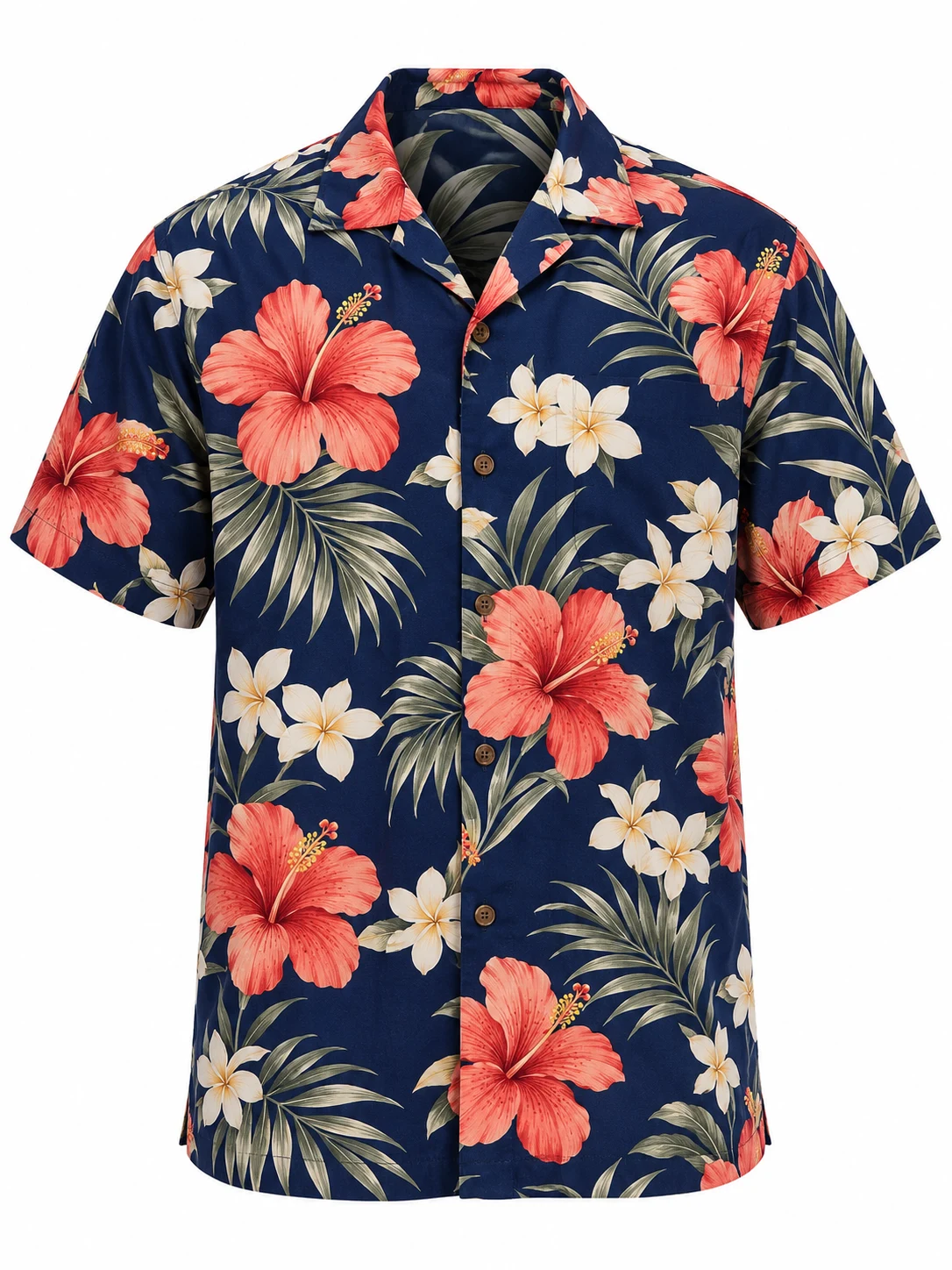 Classic Floral
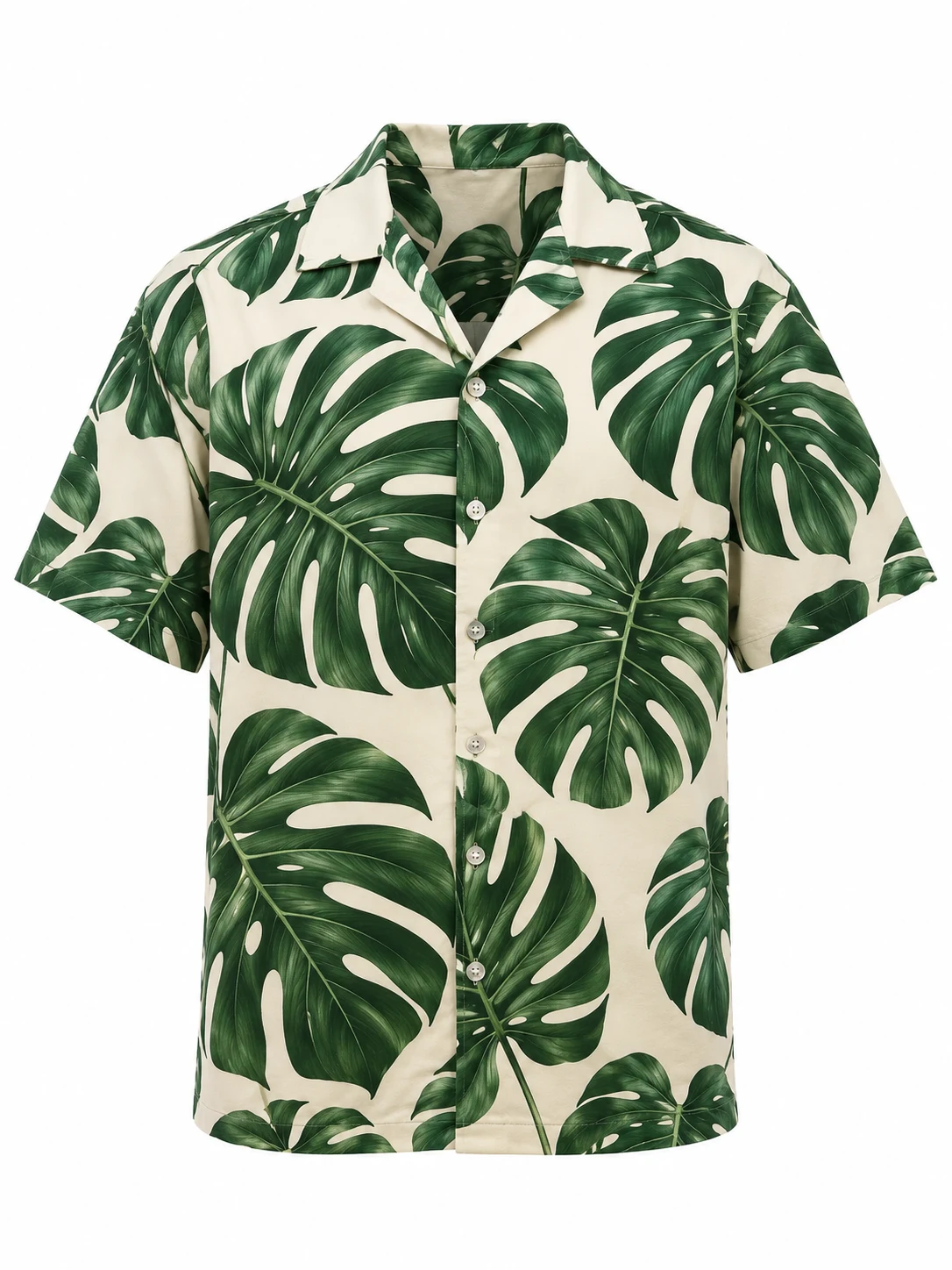 Tropical Leaves
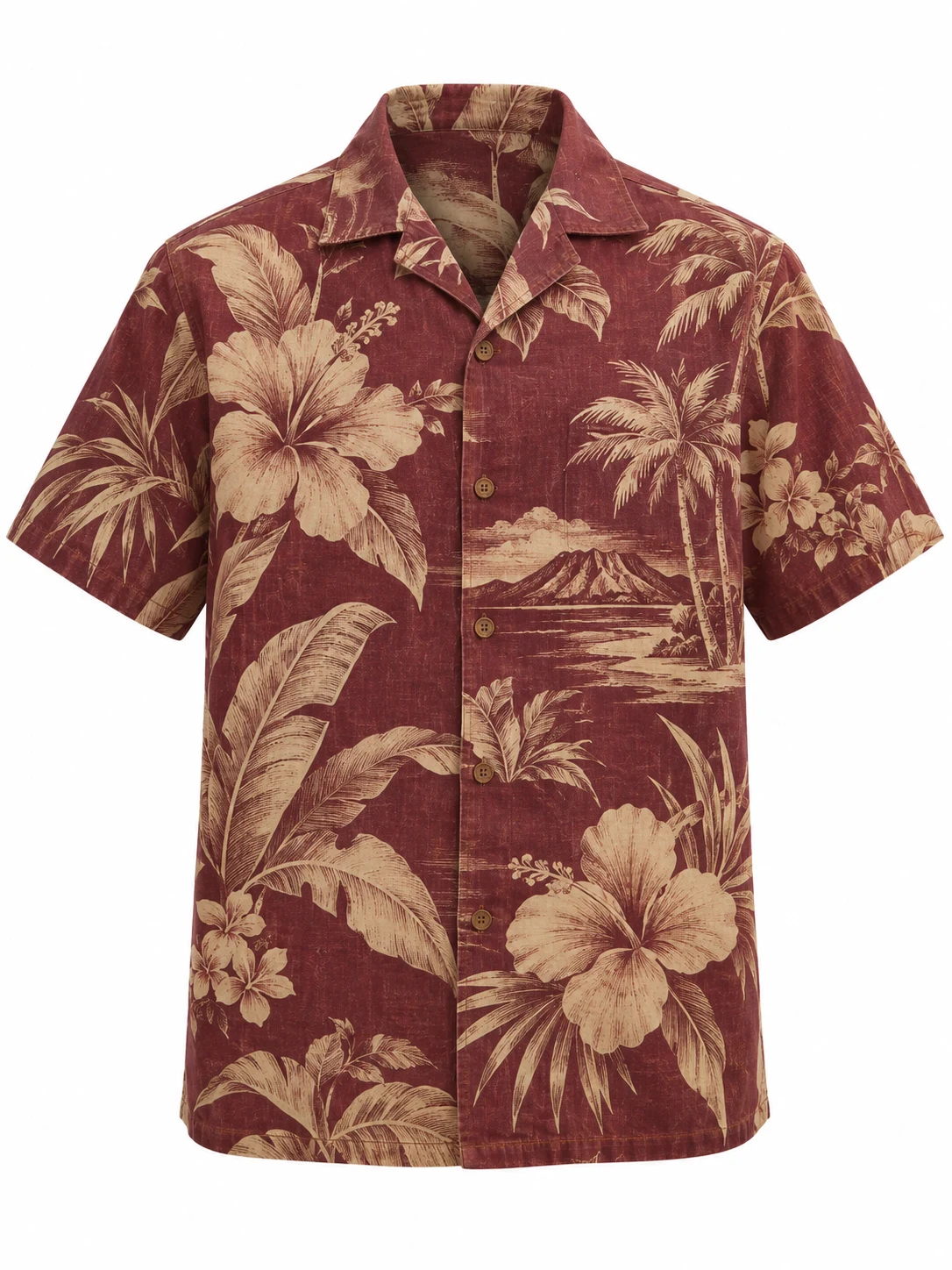 Vintage Aloha
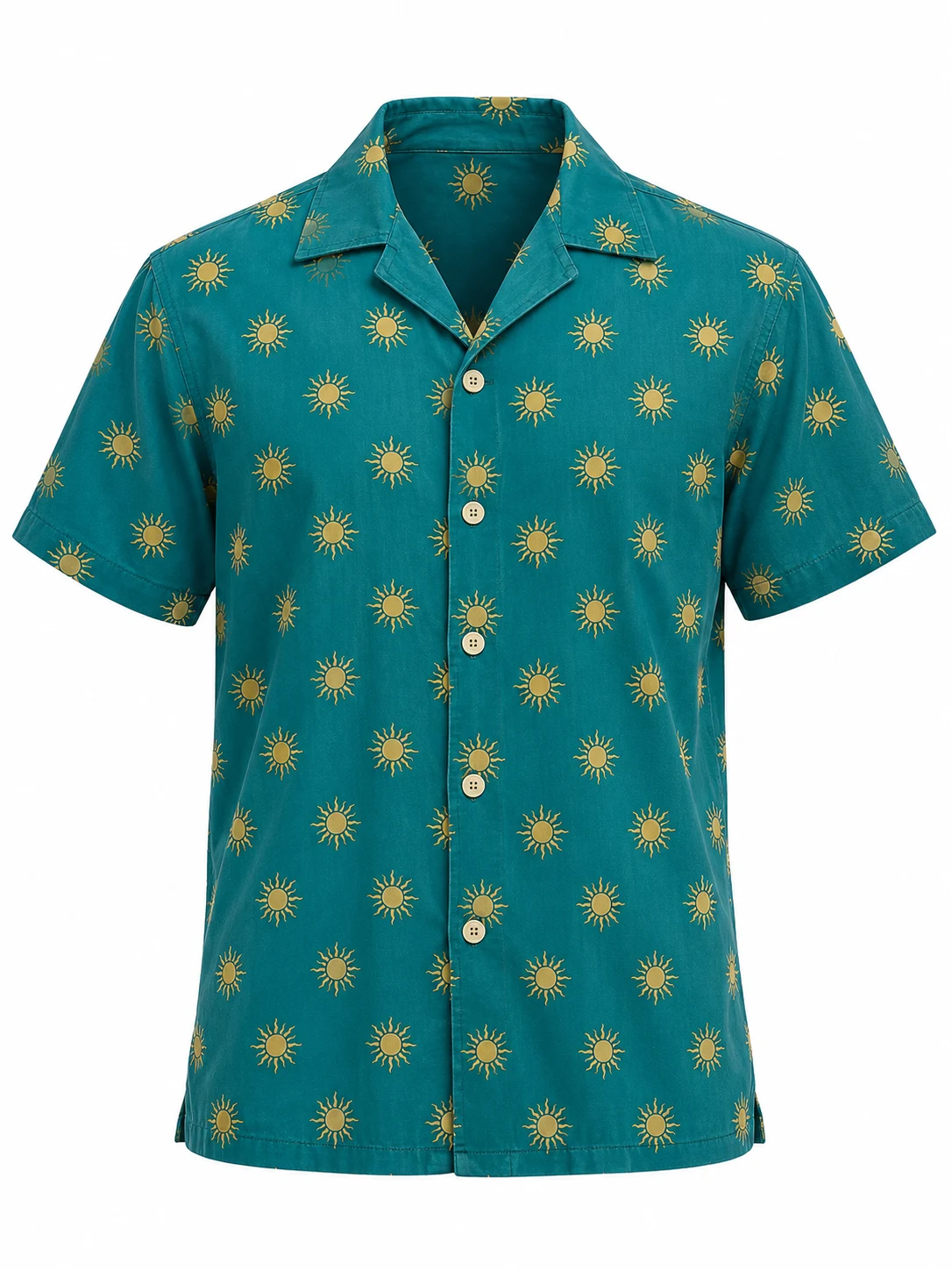 Custom Logo
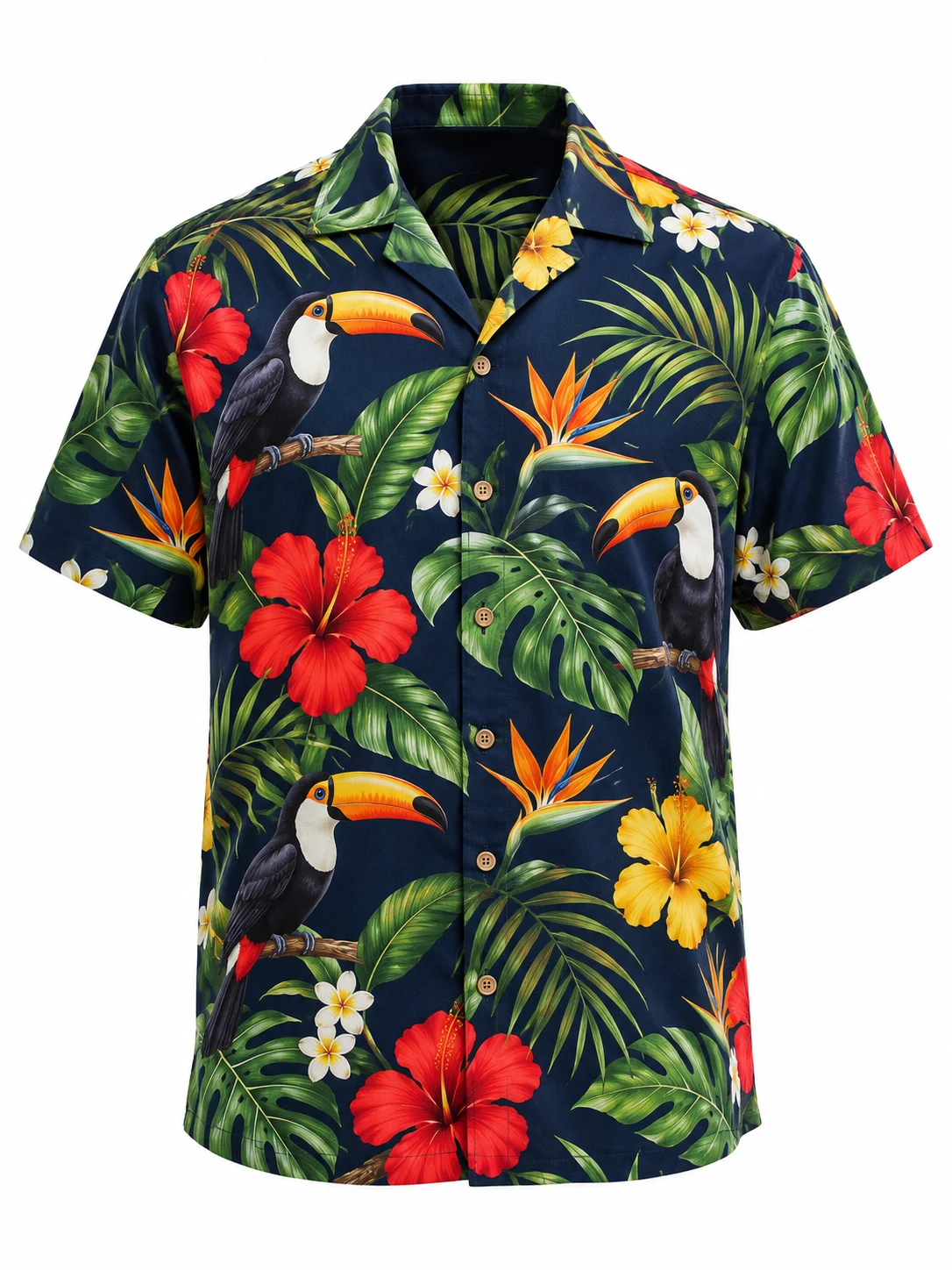 Animal Print
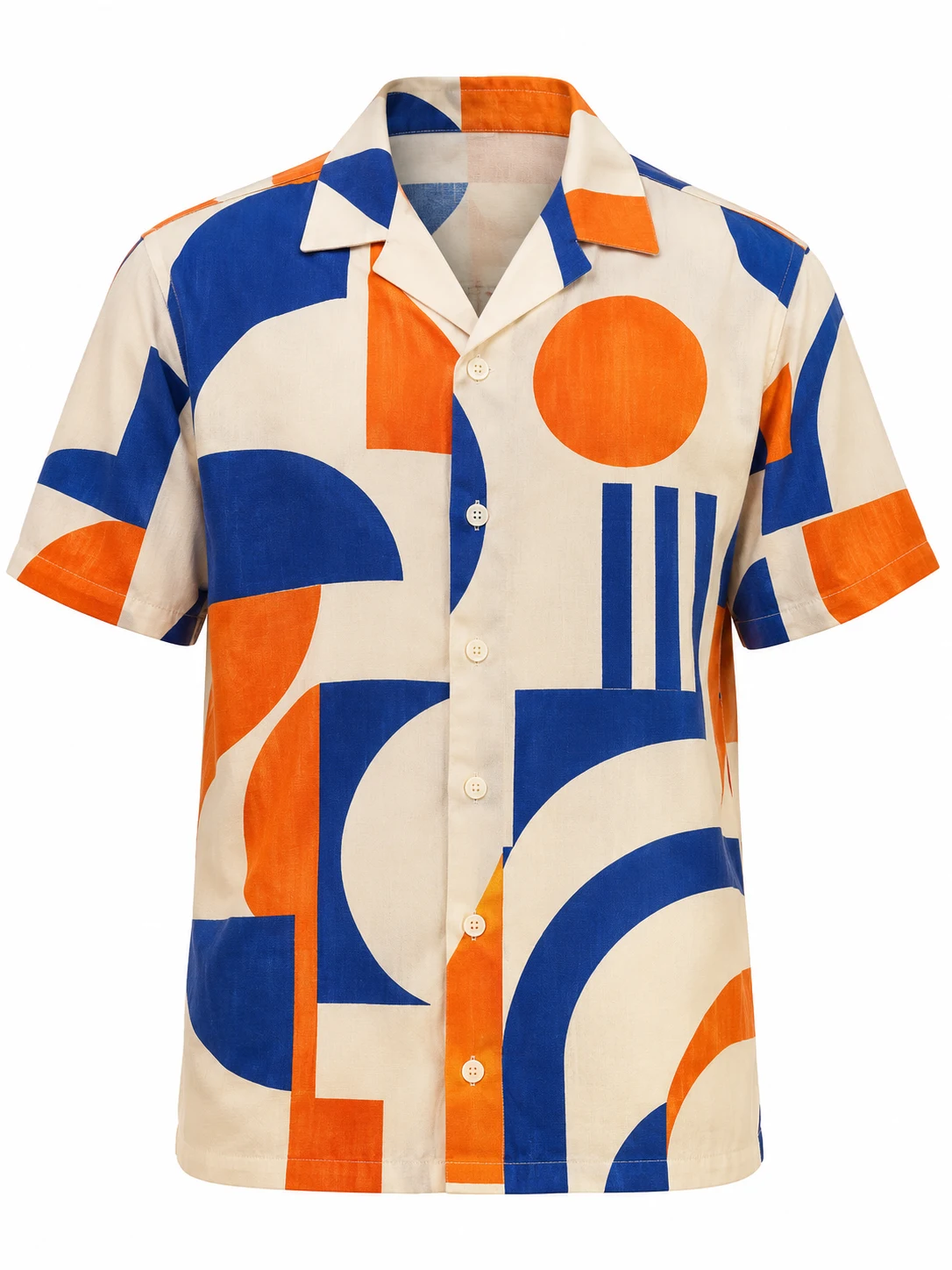 Abstract Art
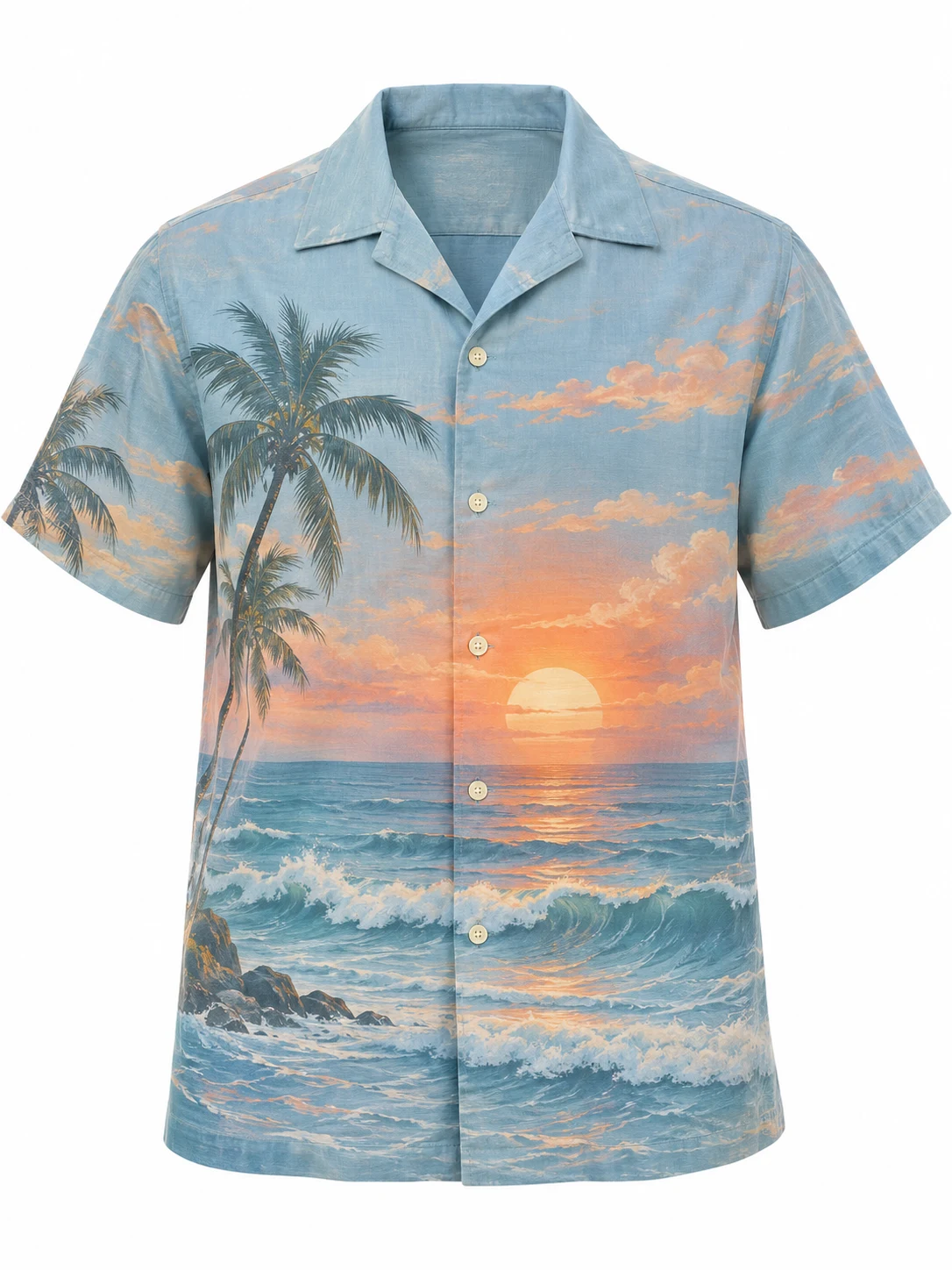 Sunset & Ocean
 Tie-Dye & Festival
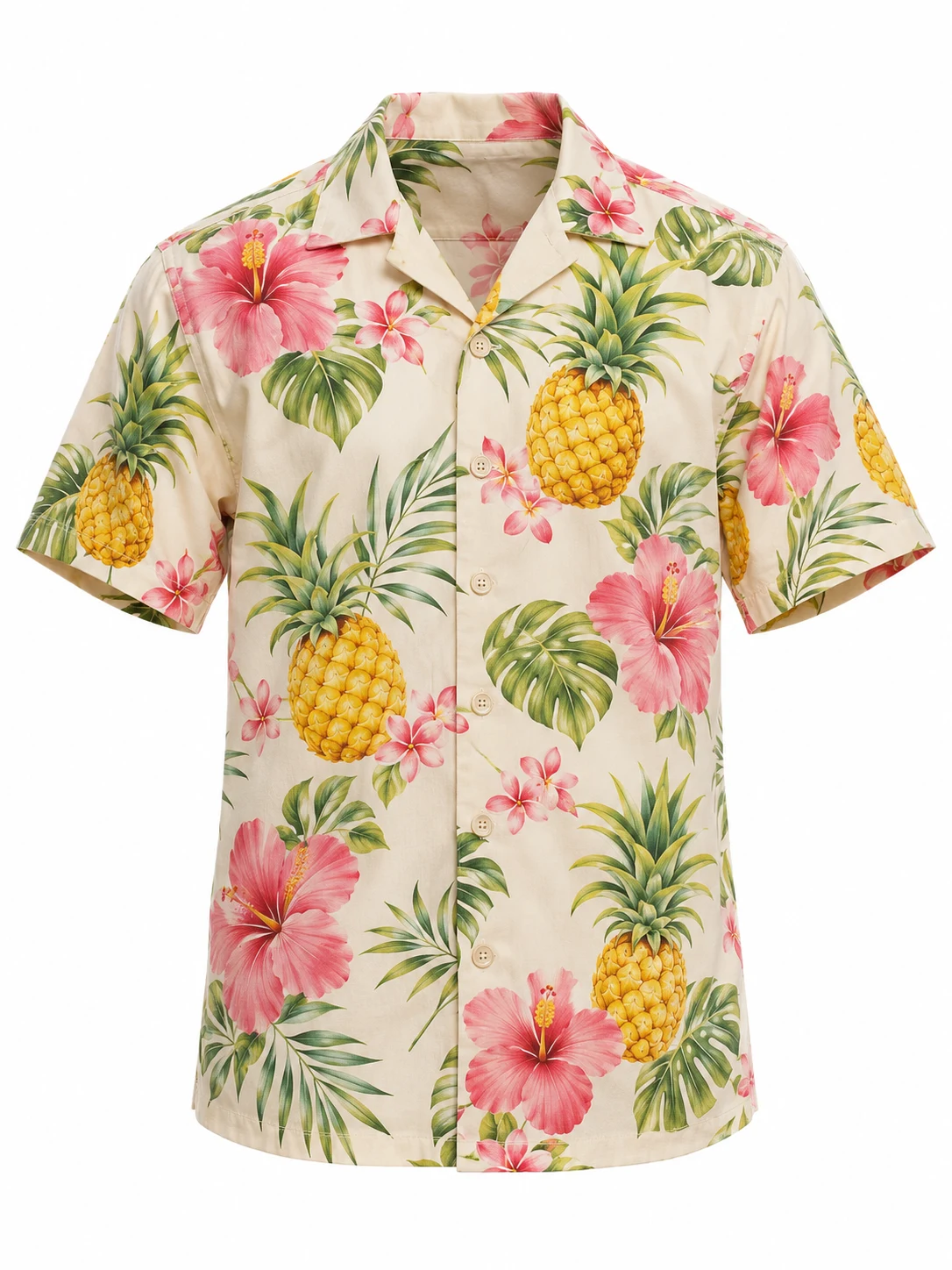 Floral & Fruit
Need a pattern beyond these directions?
Request Your Custom DesignReference starting prices per piece for planning. Your quotation confirms fabric, decoration, labels, packing, freight, taxes and any setup charges.
50–199 pcs
From $27.90/pc200–499 pcs
From $23.90/pc500+ pcs
From $20.90/pcA first-order planning window is about 5–7 weeks. Approval speed, material availability and transport route determine the confirmed date.
Send authorised artwork, a sketch, a colour palette or a written brief. Develop Pantone callouts, repeat dimensions and a 1:1 proof. Straightforward artwork planning starts with a 24-hour response; scope and revisions determine the final schedule.
24-hour artwork planningPlan a pre-production sample in 5 business days using the selected cloth, print, labels and trims. Check fit, print placement and construction, then sign the reference sample before bulk cutting.
5 business days · sample approvalPlan 15–20 days after sample approval for standard bulk production. Coordinate the work across 10 production lines. Agree AQL 2.5 final sampling, measurement checks, pattern matching and colour comparison against the approved standard.
15–20 days · standard bulkPack each shirt to the PO with size/SKU labels and carton marks. Compare FOB, CIF and DDP for your destination. Allow route-specific express air of 3–5 days or sea freight of 14–20 days where available.
5–7 weeks · first-order planningReview fabric weight, drape, colourfastness and shrinkage before releasing a roll to cutting.
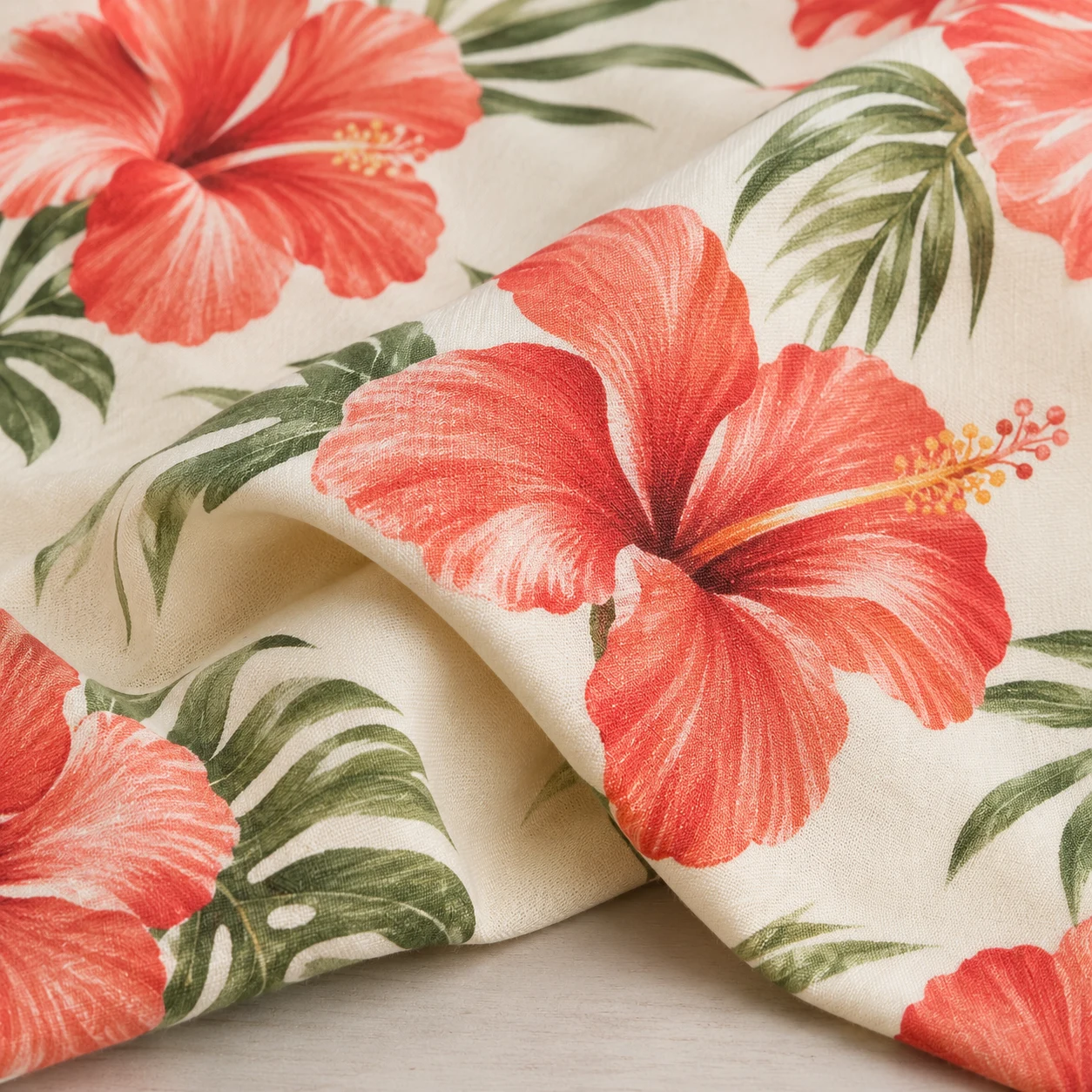
Poplin, oxford and twill options give different levels of structure. Review softness, print absorption and shrinkage on the actual cloth.
Best for: Daily summer wear, tourism and promotional merchandise
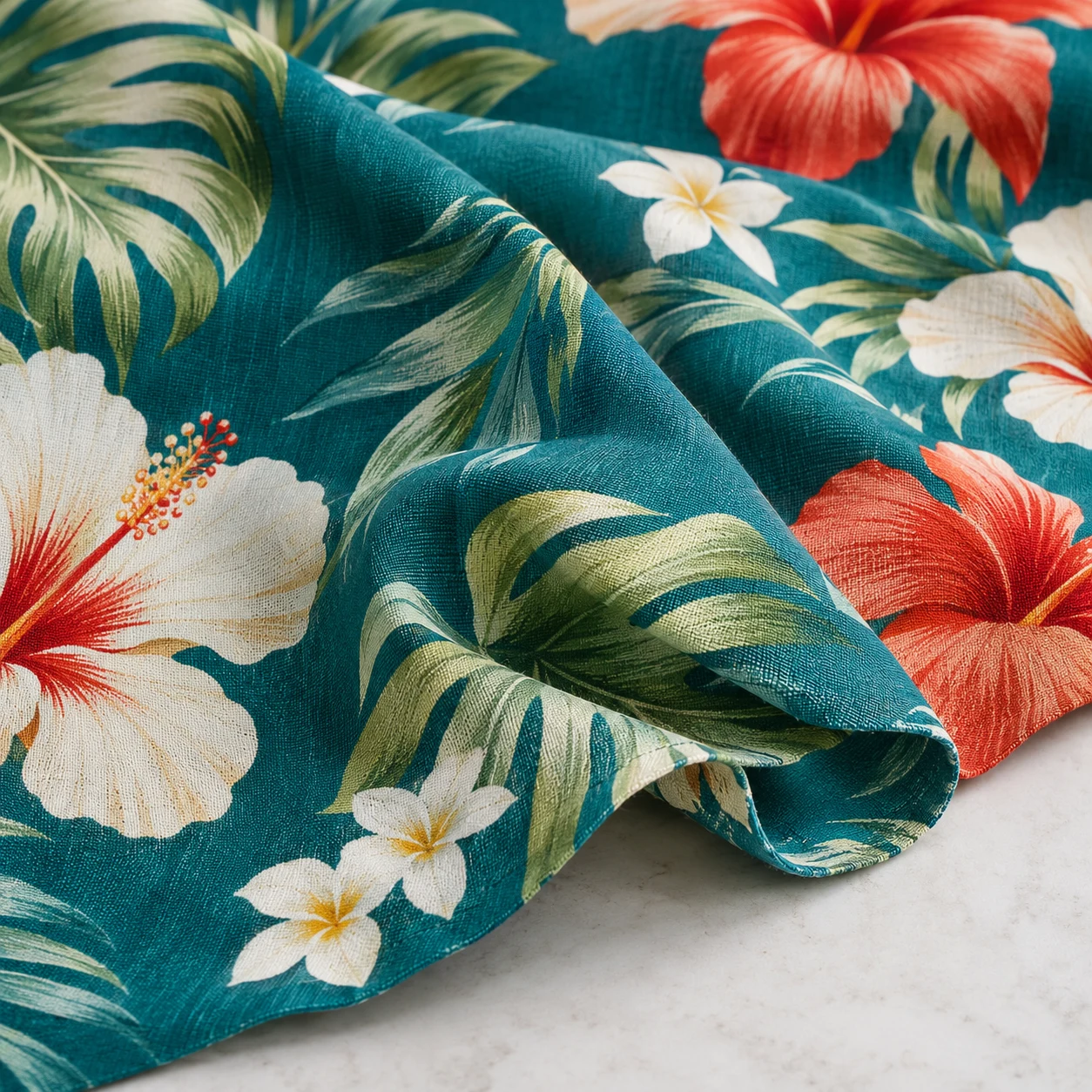
Choose a fluid drape and smooth hand for an Aloha silhouette. Approve wash care and dimensional stability; request OEKO-TEX STANDARD 100 options with the relevant scope.
Best for: Premium resortwear and flowing retail collections
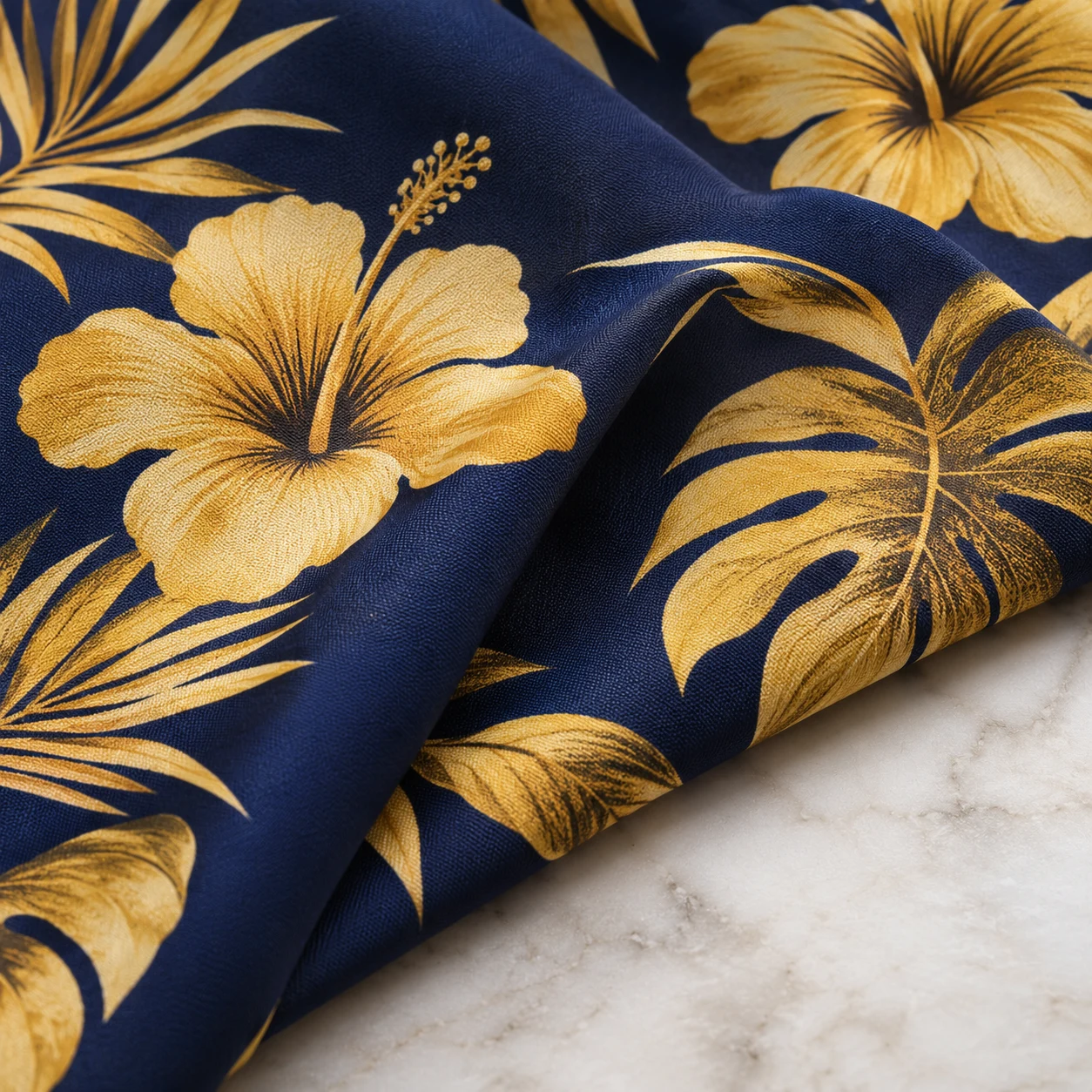
A practical quick-dry and wrinkle-resistant option. Compatible light-base polyester suits sublimation; validate wash performance rather than assuming industrial-laundry suitability.
Best for: Team events, souvenirs and repeat uniform programmes
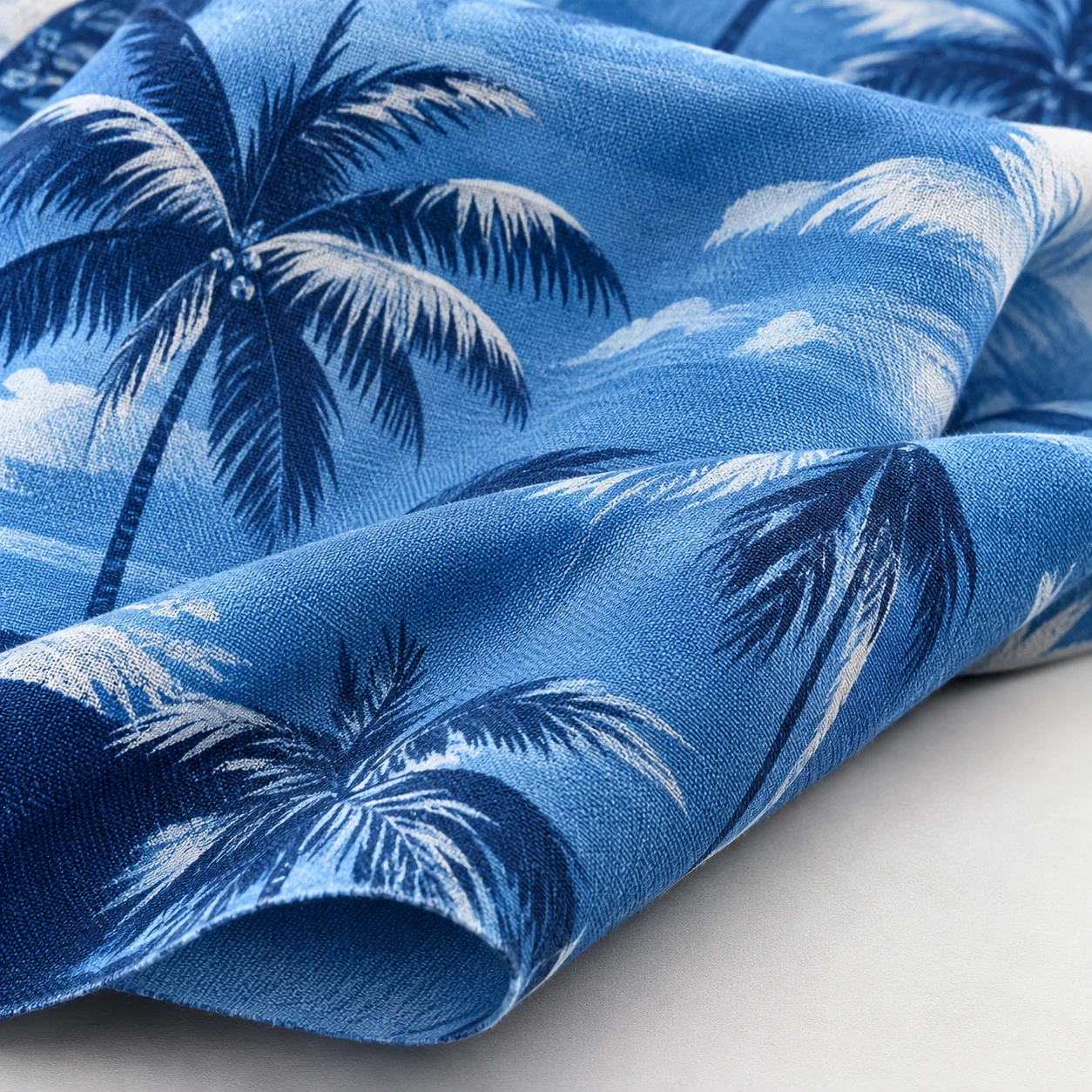
Compare 65/35 or 50/50 blends, identifying which fibre leads the ratio. Balance hand, recovery, care and printing method on an approved sample.
Best for: Wholesale, private labels and value-led bulk orders
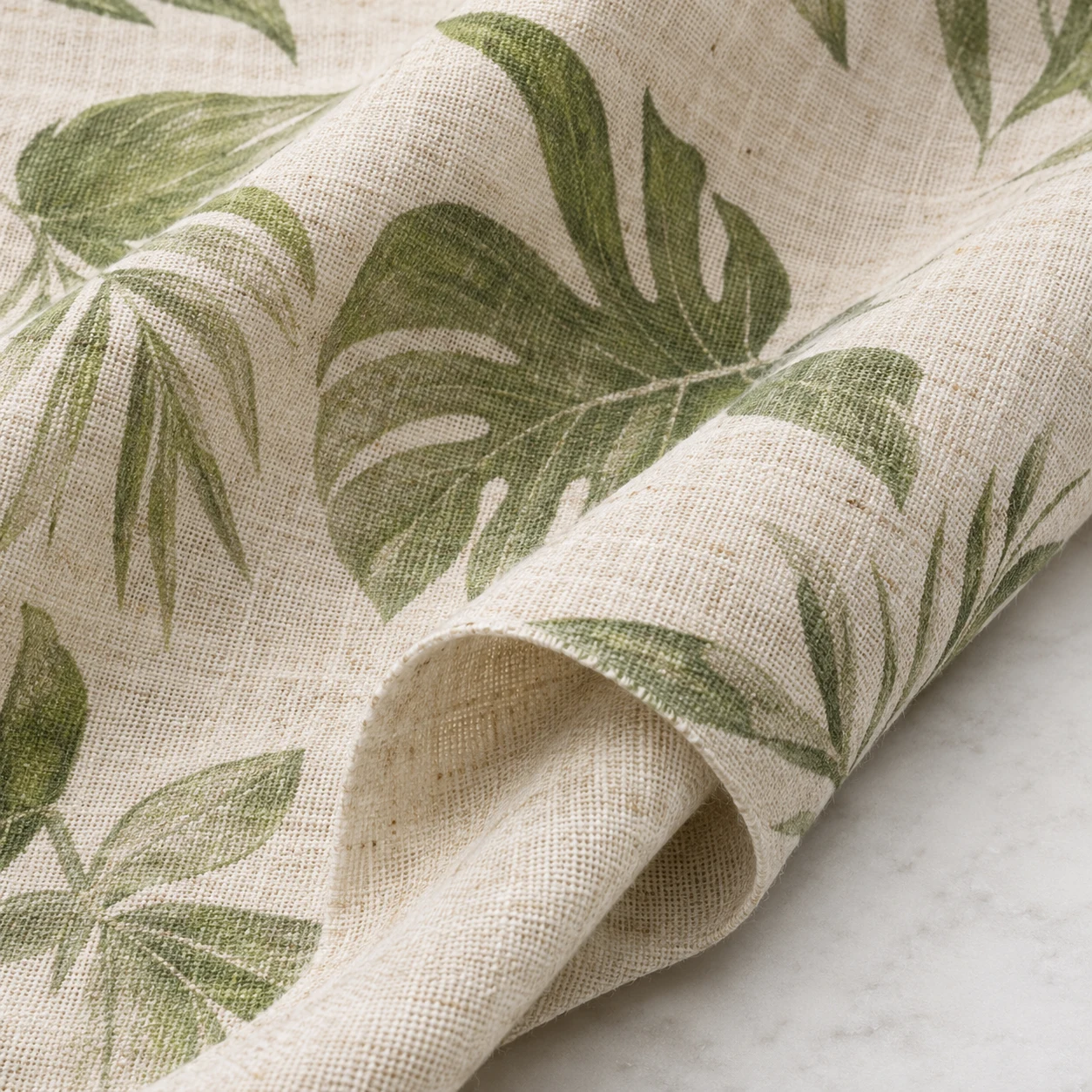
Explore linen-cotton texture, modal or lyocell softness, or selected wicking polyester. Substantiate any recycled, certified or sourcing claims for the exact material.
Best for: Luxury resorts, outdoor-inspired lines and premium retail
Share a scan or drawing; develop the linework and colour separations.
Use an authorised reference to explain the direction; create independent artwork.
Turn your palette and visual direction into a repeat concept.
Check scale, colour profiles, layers and production readiness.
Describe the wearer, setting and mood; develop a visual brief.
Digitise and separate suitable artwork within a one-business-day planning target. Prepare a 1:1 proof on the selected material; complexity and authorisation checks affect timing.
Set repeat, scale and registration for the chosen fabric and method. Preview the placket, shoulder and side seams. A ±0.5mm artwork-registration target must be assessed against actual equipment and cloth movement.
Annotate the proof with colour references, scale and repeat grid. Plan 1–2 revision rounds, around 3 business days each where applicable, and archive every approved version.
Compare detail, coverage and quantity before choosing the print route. Approve a strike-off on the actual cloth.
| Method | Fabric | Coverage | Detail brief | Order-size planning |
|---|---|---|---|---|
| Sublimation | Polyester-rich, light base; ≥60% polyester planning threshold | All-over / panel print | Fine multicolour graphics | 50–10,000+ |
| Digital (DTG) | Suitable pretreated cotton; rayon/linen by validation | Placement / chest / back | High-detail art; up to 1,200 DPI equipment-dependent | 50–500 |
| Rotary Screen | Compatible woven textiles and ink system | All-over repeating pattern | Solid colour / vector repeats | 300–50,000+ |
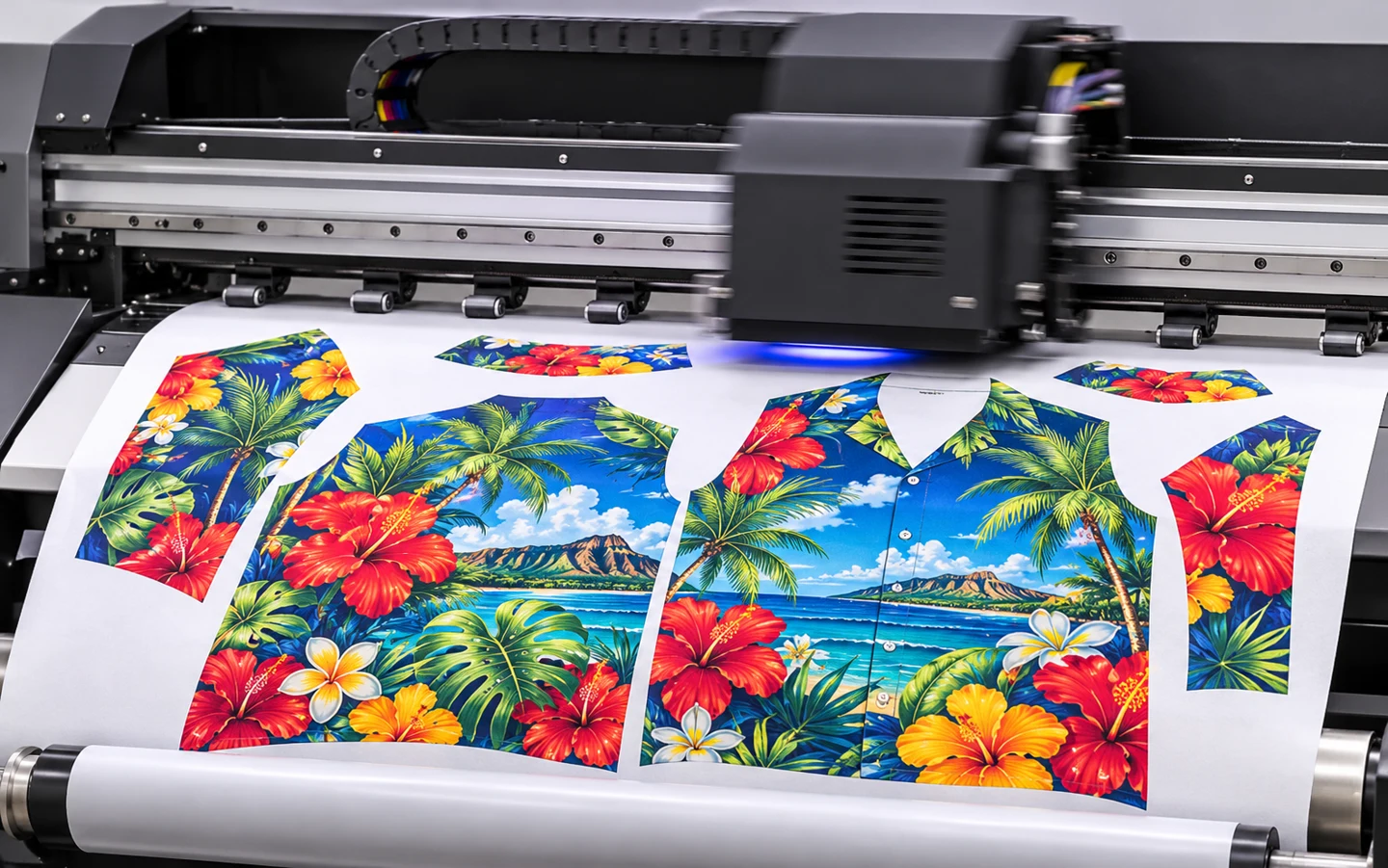
Print transfer paper, then transfer under a validated heat-and-pressure recipe onto compatible polyester. Approve placket, collar and pocket panel alignment. A 50+ wash brief requires a defined care protocol and a supporting test.
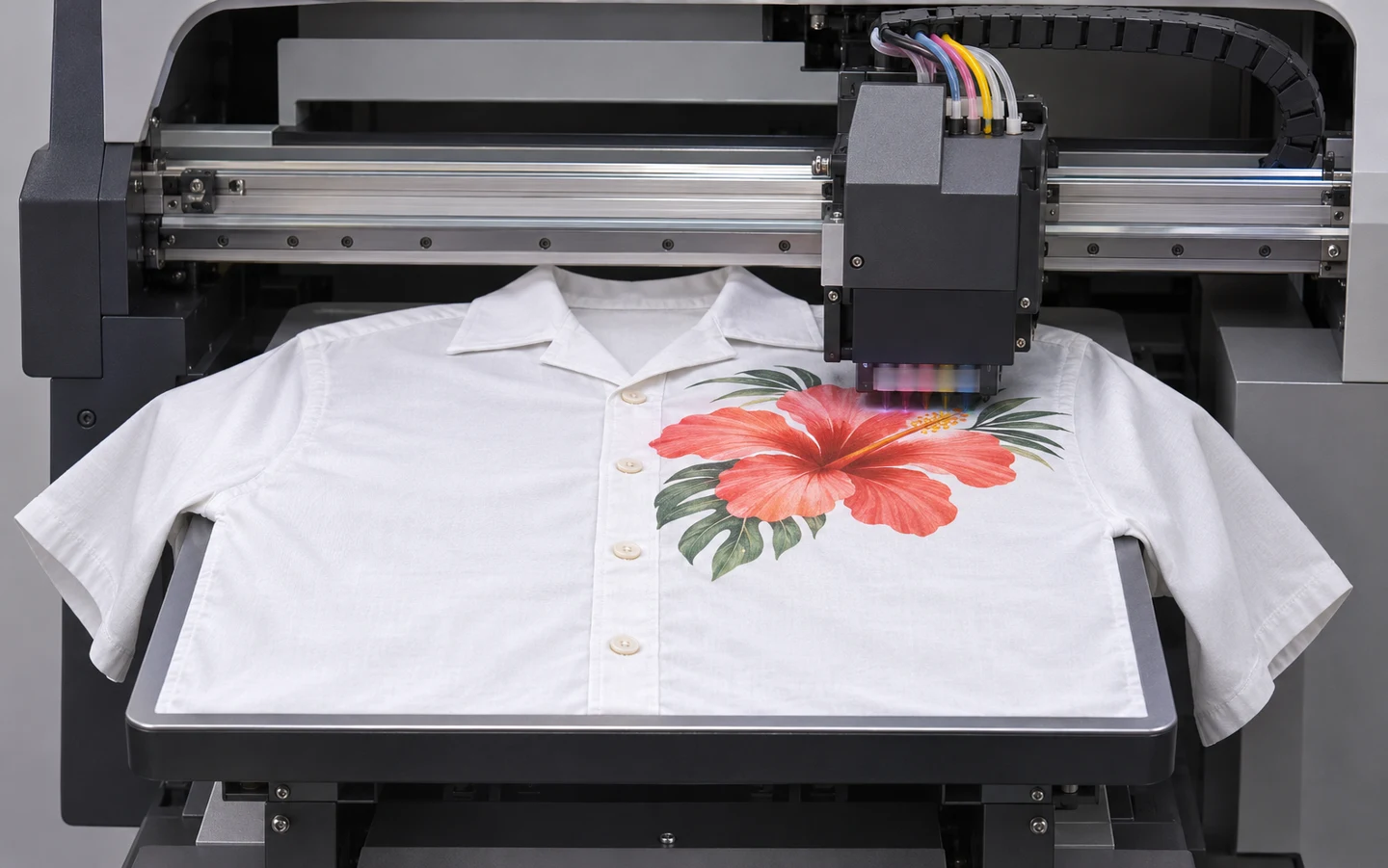
Jet pigment ink onto an appropriately prepared garment or panel. Review pretreatment, curing and fabric compatibility. A 1,200 DPI or 4pt text brief must be confirmed on the actual artwork, cloth and equipment.
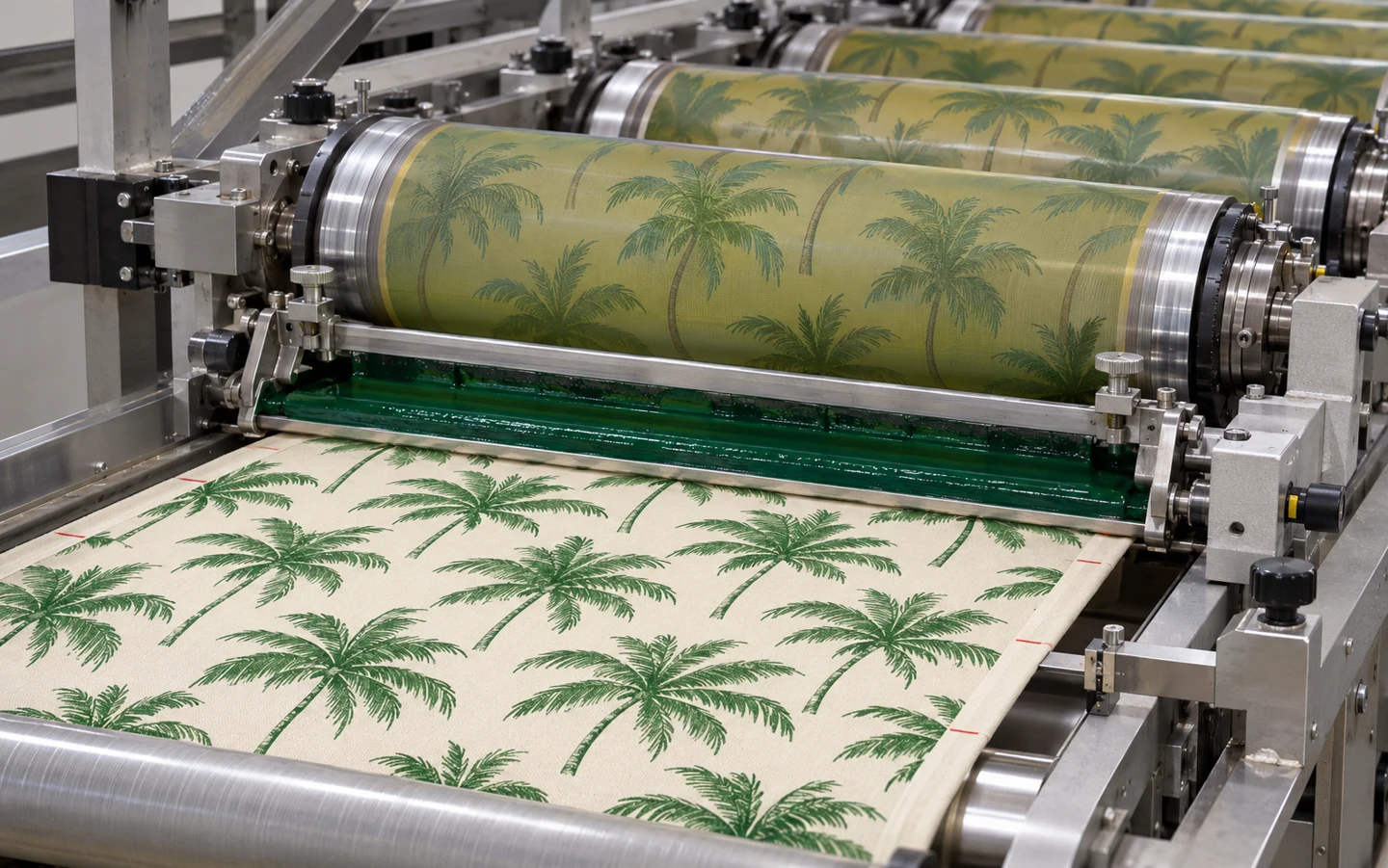
Apply colour through cylindrical screens to a continuous textile. Match the ink and engraving to the design. Discuss specialty metallic, puff, discharge or glow effects separately; line speed and savings depend on the job.
Review the selected fabric, print, seams, labels and trims in one pre-production sample.
24-hour planning target after receipt of a usable brief.
5 business days, subject to material and finish availability.
Plan 1–2 rounds; around 3 business days each where applicable.
Seal the accepted sample and specification to release bulk production.
Discuss crediting the sample cost against the confirmed bulk order.
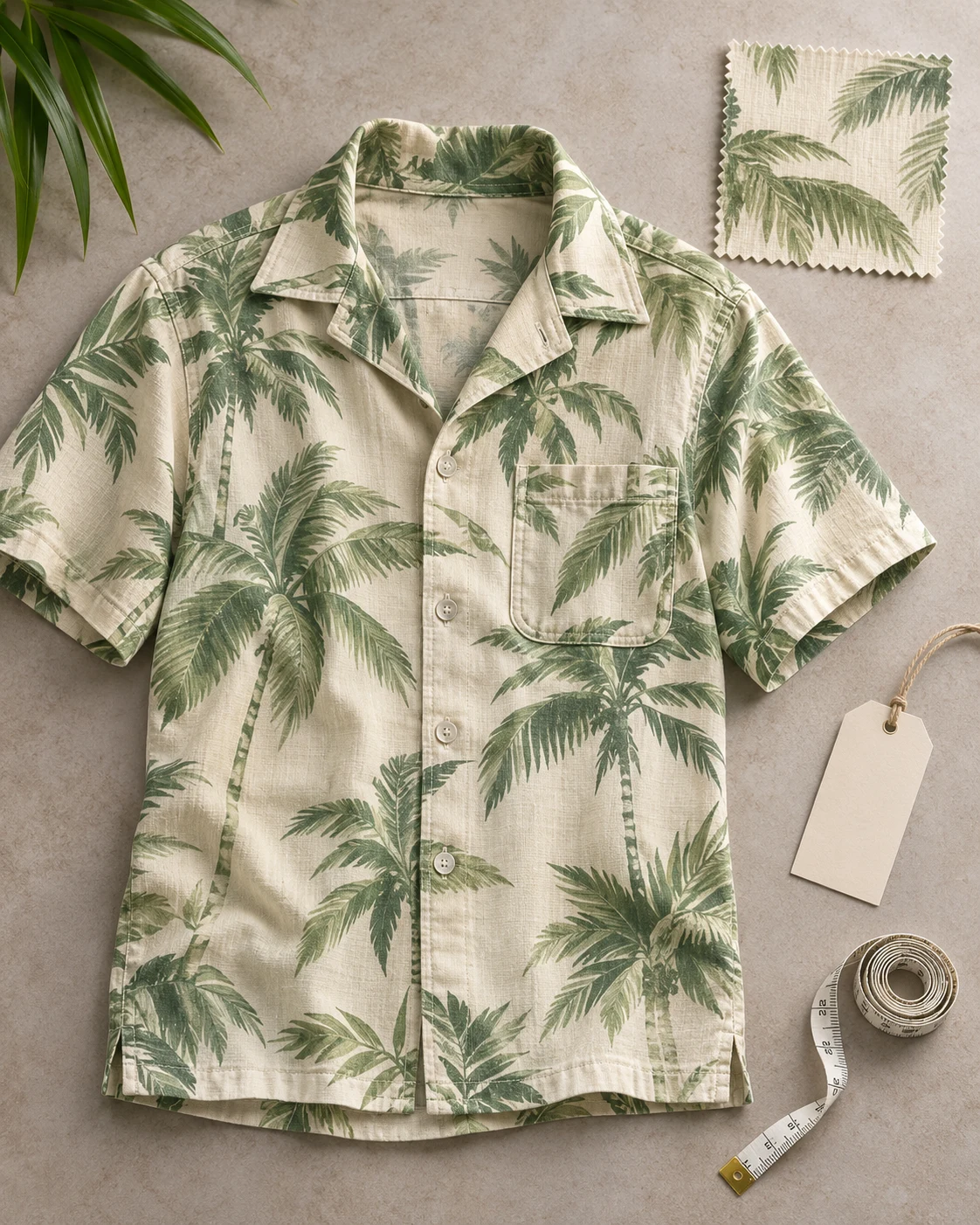
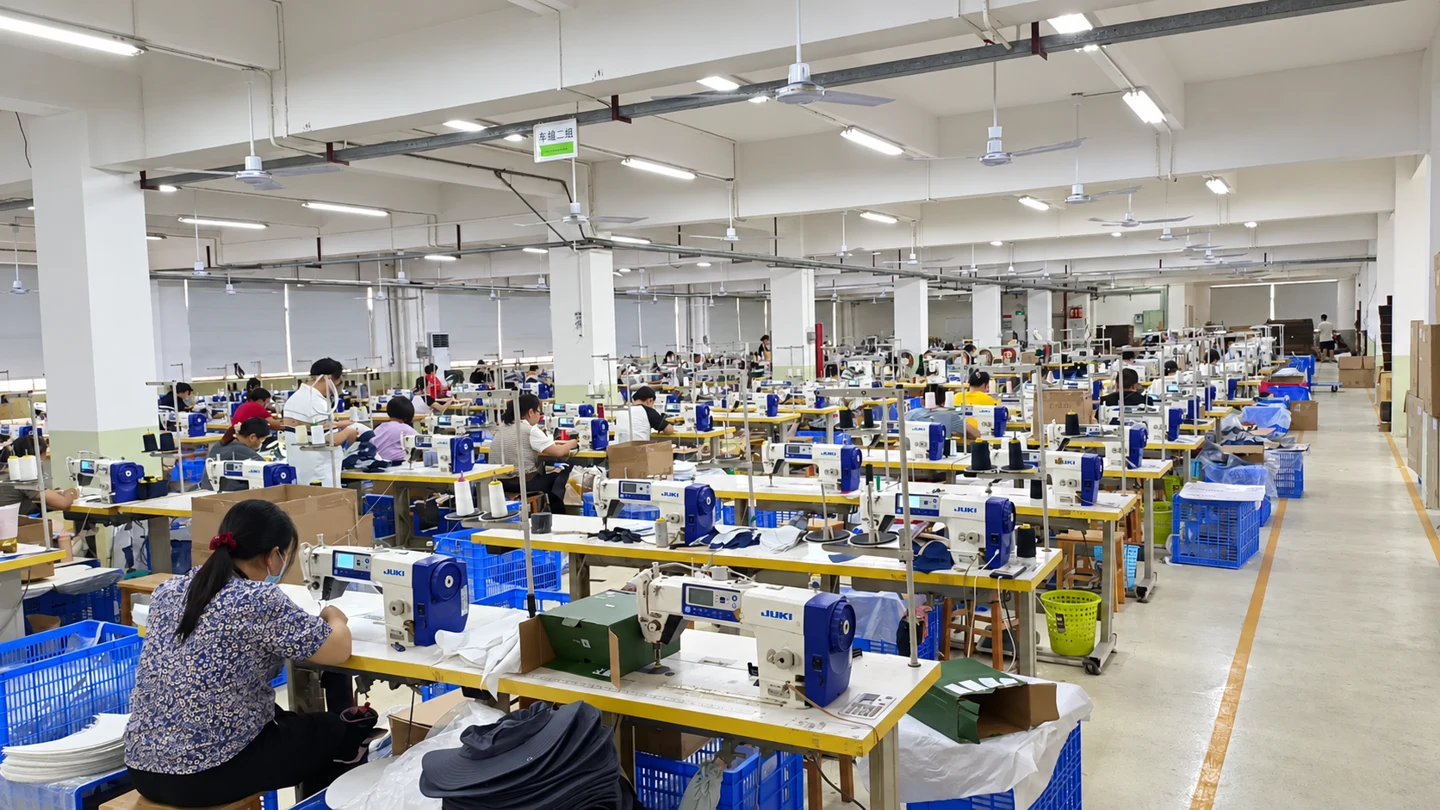
Founded in Hangzhou, Washedloom brings pattern development, material selection, garment construction and finishing decisions together around the approved sample.
Define the checks before cutting: incoming fabric, print references, measurements, workmanship and shipment documentation. Keep the retained sample and change history available for repeat orders.
Specify the way your warehouse receives, scans and distributes the shirts before production ends.
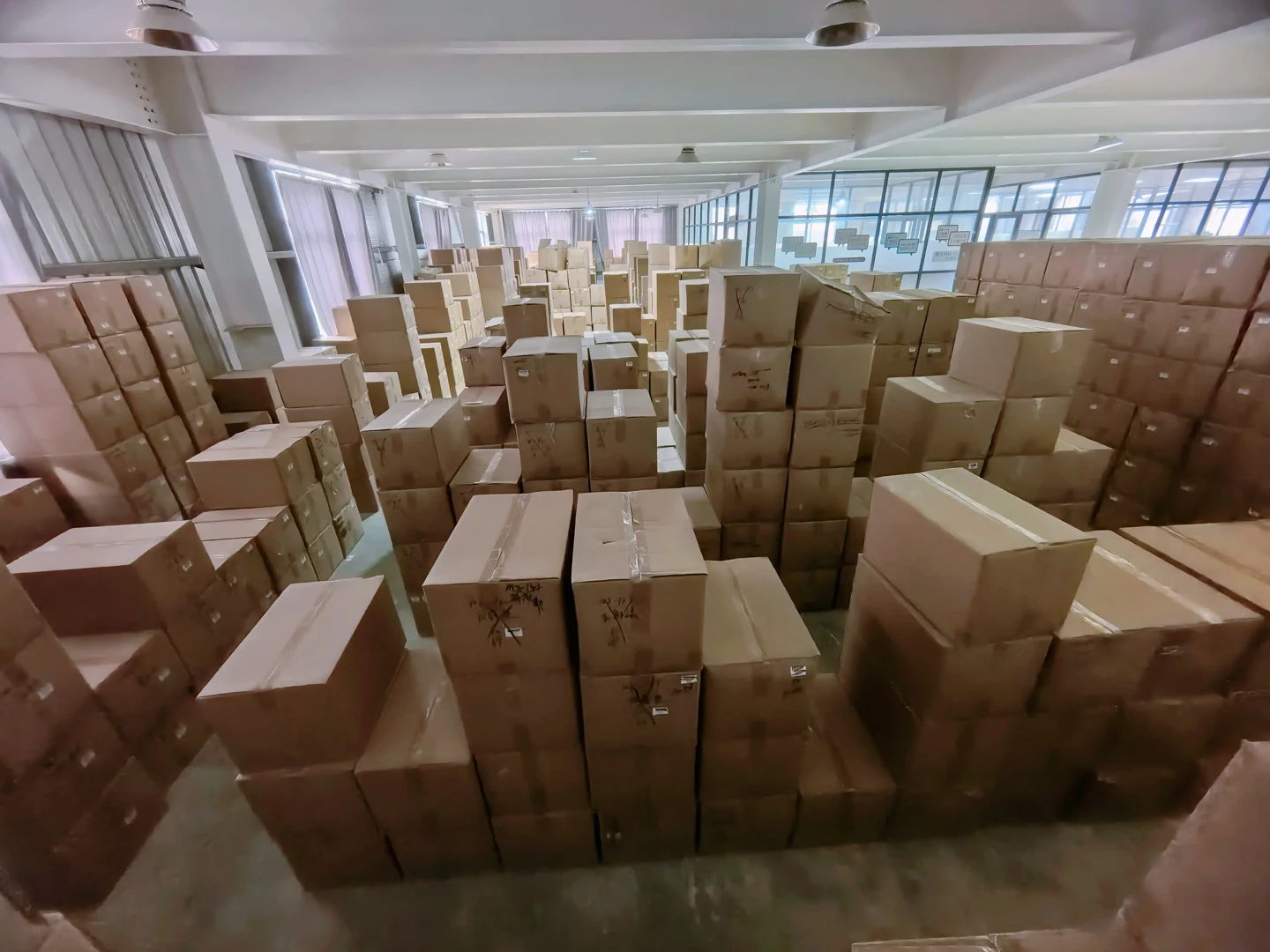
Request FOB, CIF or DDP for the named destination. Transit allowances below are separate from production and require route confirmation.
Route-specific courier allowance for samples or urgent smaller orders.
Compare airport and door-delivery costs for medium volumes.
Full-container allowance on applicable routes; confirm sailing and clearance.
Consolidated shipping for smaller loads; allow handling and destination clearance.
Fold to the agreed dimensions and apply SKU, size, colour and PO-line labels.
Attach brand tags and include care cards or inserts specified in the packing brief.
Group by SKU or destination; verify carton counts, contents, weights and marks.
Specify compliant timber packaging where required, wrap and optimise the agreed load.
Quality systems, textile testing and responsible production — documentation matched to the facility, material and order requirements.

Textile harmful-substance assessment

Quality Management System

Social Compliance & Labour Rights

Occupational Health & Safety
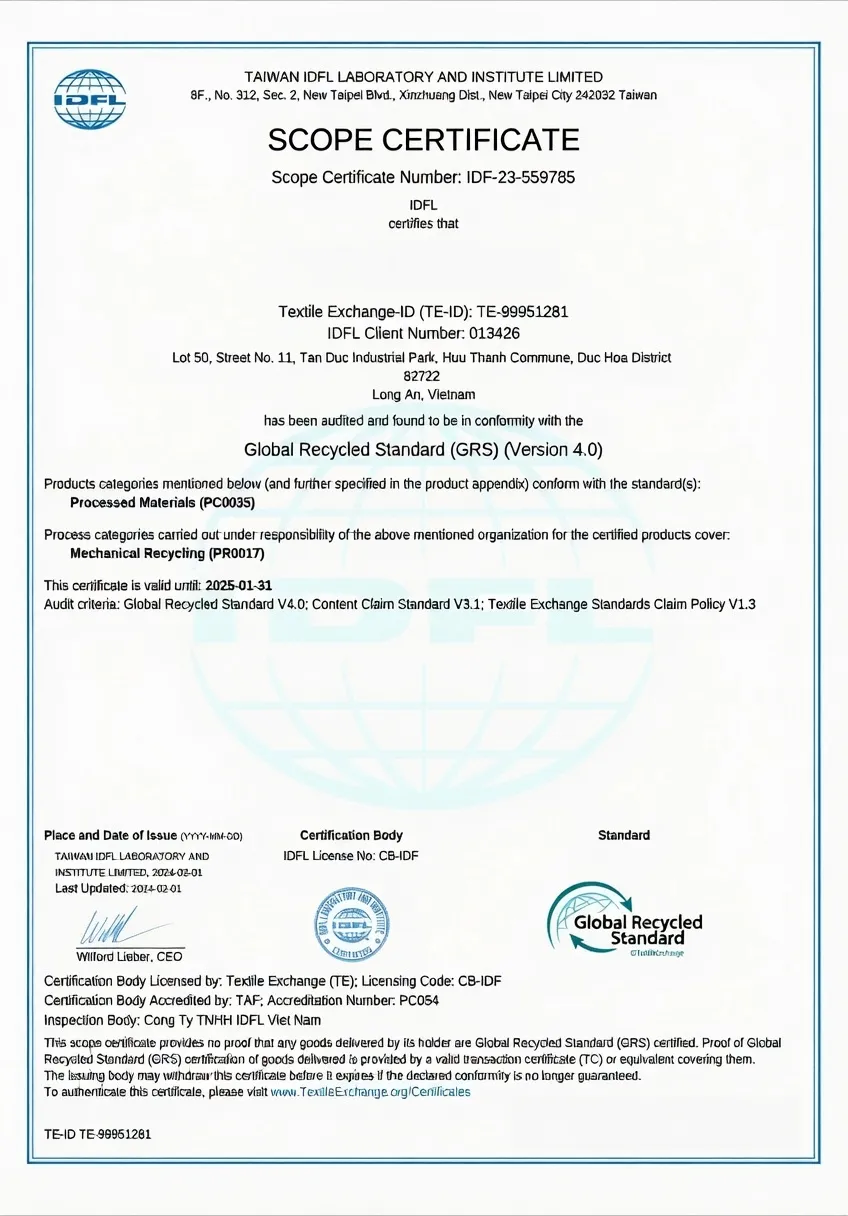
Global Recycled Standard
Eight practical differences to consider when choosing the production model for your Hawaiian shirt collection.
| What Matters | Washedloom · Factory Direct | Trading Company | Small Workshop |
|---|---|---|---|
| Factory-Direct? | ✓ 15,000 m² Manufacturing Facility | Supplier coordination through an intermediary | A smaller, workshop-based production setup |
| Custom Textile Printing | ✓ Sublimation, DTG & rotary-screen options | Print route depends on the partner factory | Equipment and external printing support vary |
| Minimum Order | ✓ From 50 pcs; sample from 1 pc | MOQ follows the selected supplier and setup | Minimums depend on materials and line setup |
| Private Label & Branding | ✓ Labels, tags and packaging in one programme | Branding coordinated across suppliers | Branding scope depends on available support |
| Material Selection | ✓ Cotton, rayon, polyester, blends & specialty fabrics | Selection depends on the sourcing network | Selection depends on stock and mill access |
| Sampling | ✓ 5-business-day pre-production sample planning | Approval passes through supplier coordination | Timing depends on workshop workload |
| Accreditation | ✓ ISO, textile testing & audit documentation by scope | Verify the manufacturing facility’s documents | Verify facility and material coverage |
| Colour Accuracy | ✓ Pantone reference, strike-off & retained sample | Agree who controls colour approval at the factory | Confirm the colour standard and checking method |
Match the fabric, fit, print and packing to the way the shirts will be worn.
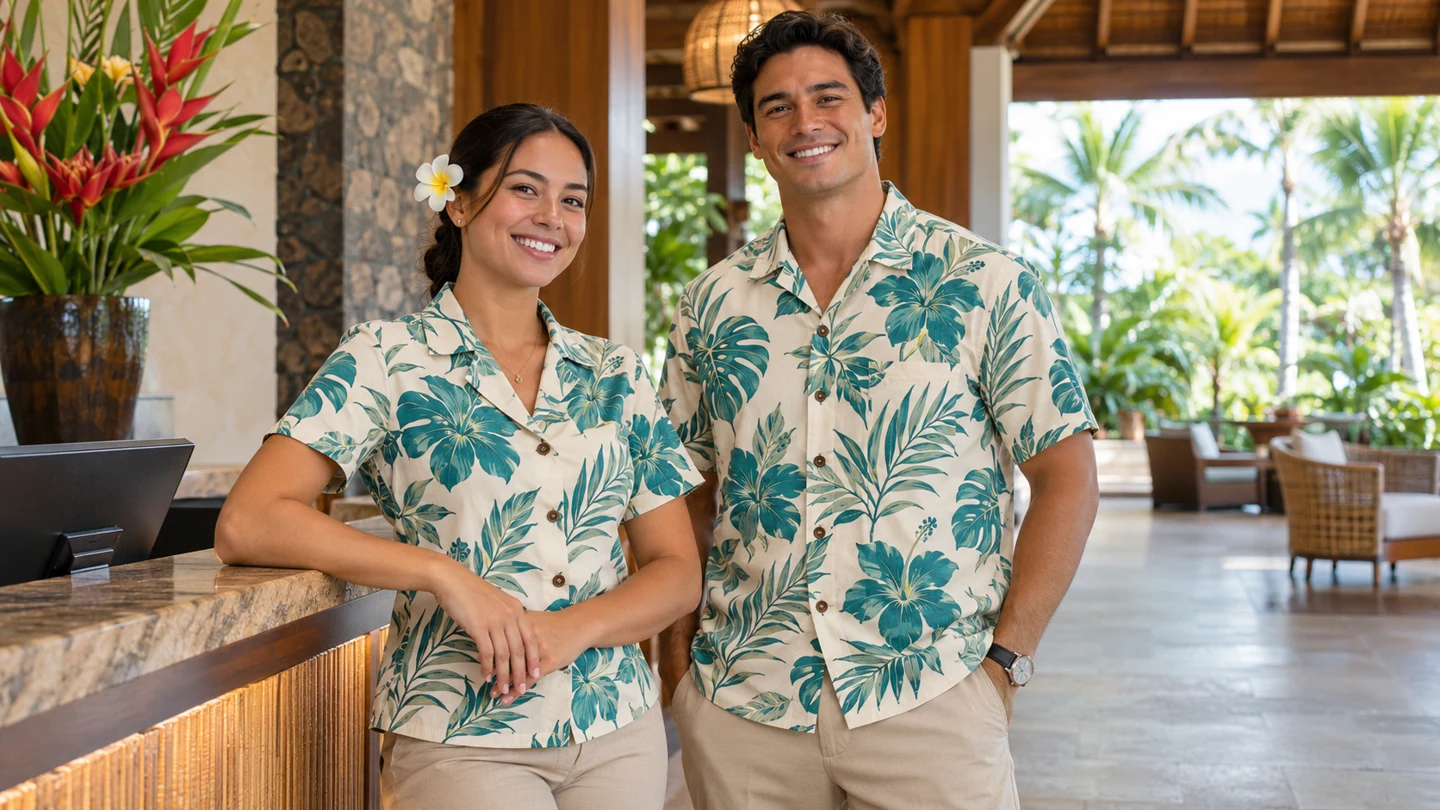
Develop breathable branded shirts for reception, concierge and poolside teams.

Coordinate a group print, size range and event delivery plan.
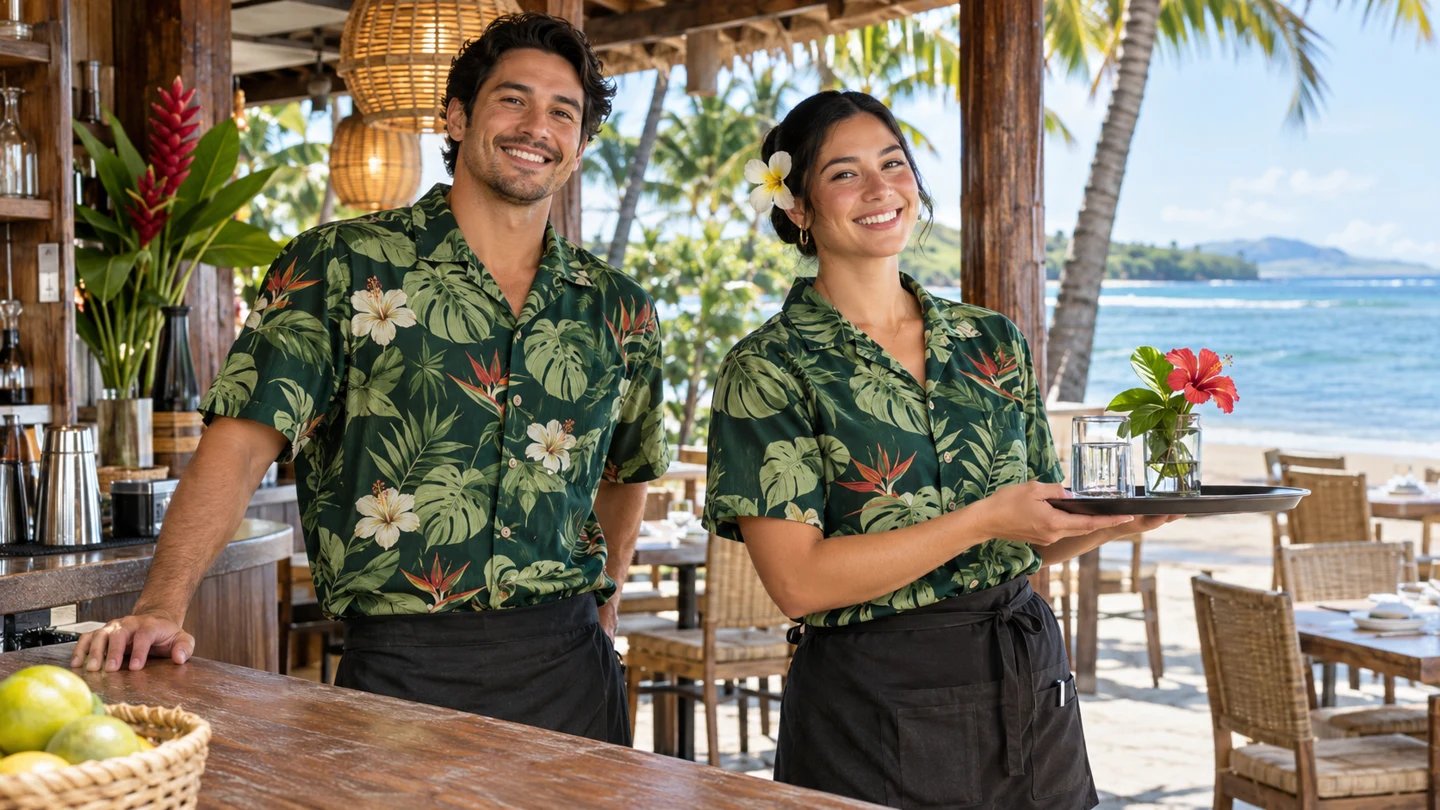
Select fabric and care requirements around service conditions and washing.
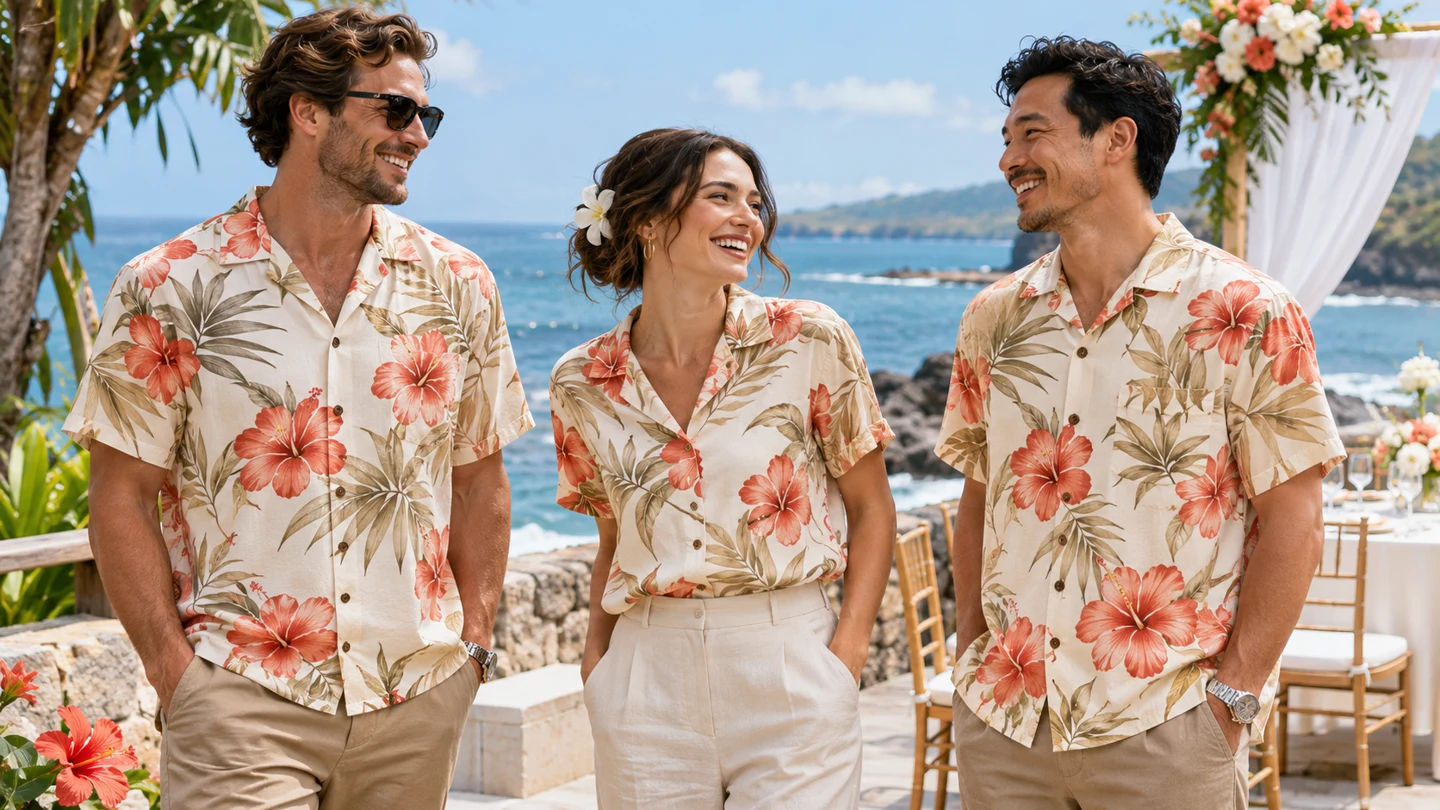
Build a coordinated print and fit for guests and the wedding party.
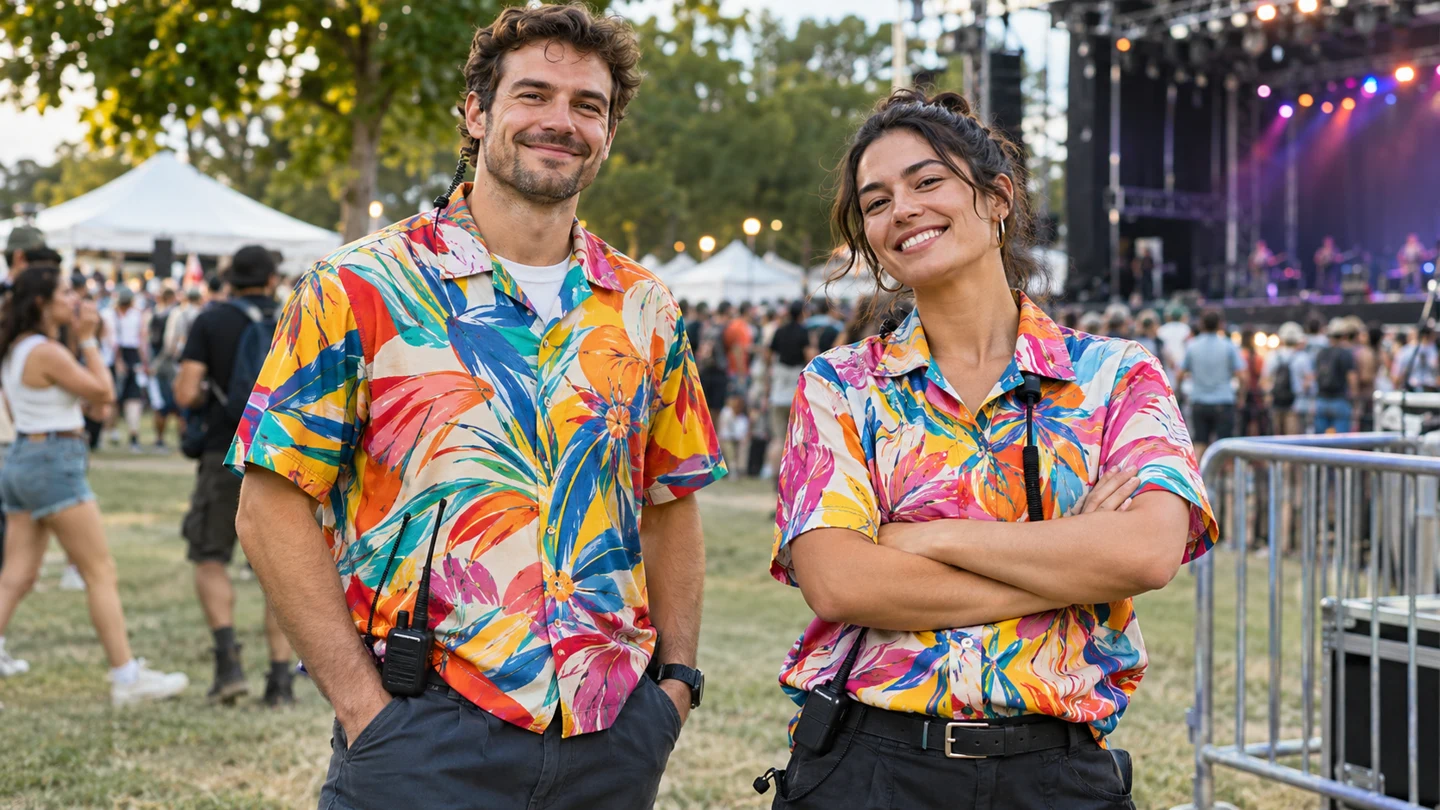
Create visible, comfortable staff and merchandise shirts for the event.
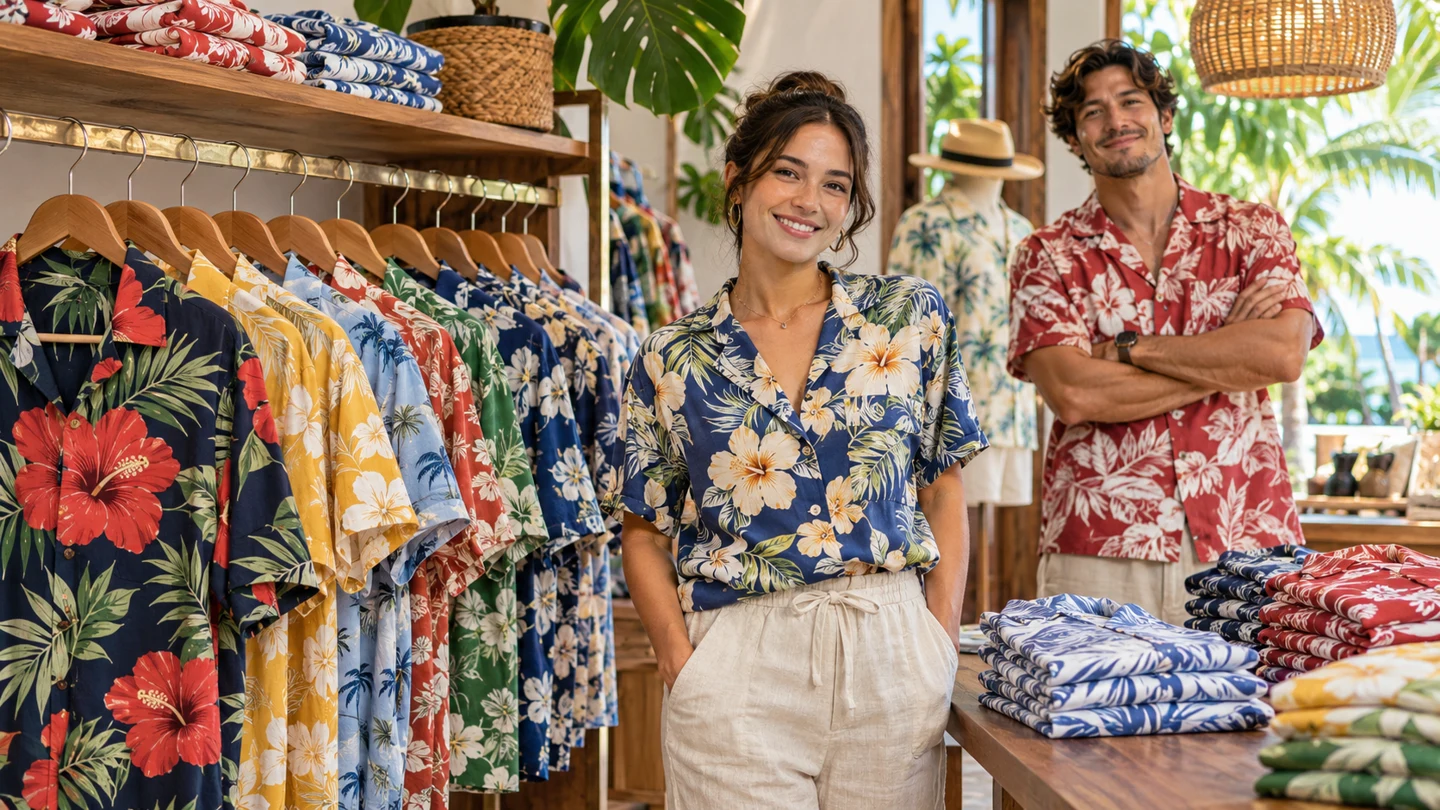
Develop an original collection with private labels, SKU packing and repeat-order files.
I was building a Hawaiian shirt collection, and the hardest part was finding a supplier who would work through the details of a smaller launch. I needed more than a tropical print on a shirt: the fabric had to drape properly, the repeat had to suit the cut, and the finished product had to carry our own label.
Washedloom helped turn that brief into something we could actually review. We worked through the artwork scale, colours and fabric together, then checked the pre-production shirt with the labels and trims included. Seeing the pocket and placket on a finished sample made the decisions much clearer than looking at a digital mockup alone.
What I appreciated most was having a complete reference for the collection. The accepted print, fabric, fit and packing details were all in the same approval file. That gave me a much clearer basis for planning the range and discussing the next production run.

Our staff shirts have to work through a busy service, not just look good for a photograph. We wanted a distinctive Aloha print, but we also needed to think about comfort, movement, washing and how the shirts would look across different sizes.
Washedloom took us through the fabric choices and helped us develop the complete shirt rather than choosing each detail separately. We could check the print on the actual material, review the fit and care requirements, and approve the labels and finishing before the bulk order moved ahead.
The packing discussion was just as useful. We could organise the size breakdown, location labels and carton contents around the way our teams receive their uniforms. Having those decisions made alongside the garment specification made the whole programme feel much easier to coordinate.
Include your design, quantity, fabric preference and required date in the enquiry.
Yes. Send your own sketch, authorised references or a written direction. Define the wearer, palette and repeat scale; suitable artwork can enter a 24-hour proof-planning path. Review the repeat and actual fabric strike-off before production.
Plan from 50 pieces per design. Confirm size splits, fabric availability and decoration scope. A one-piece development sample can be discussed before the bulk order; the final MOQ belongs in the quotation.
Allow about 5–7 weeks as a planning window: artwork, a 5-business-day sample, approval, 15–20 days standard bulk production, then route-specific freight. Suitable repeats may be planned at 10–14 days, subject to cloth and production availability.
Specify neck and care labels, woven labels, hang tags, inserts, bags, barcodes and carton marks. Approve artwork, legal labelling content and packing samples; the quotation should state what is included and any setup charges.
Compare cotton for a structured breathable hand, rayon for fluid drape, compatible polyester for sublimation, blends for balanced care, and linen/modal/lyocell options for specialty ranges. State where the shirt is worn and how it is washed, then approve the actual fabric.
Our confirmed manufacturing resources are a 15,000 m² facility, 130 employees, 10 production lines and 500,000 pieces annual production capacity. Evaluate the approved sample, clear specification and agreed inspection records alongside the price.
Ask for a feasibility check with the event date, destination, quantity and finish. A rush path plus express freight may be possible for a suitable order, but it requires a confirmed schedule; the standard planning window remains longer.
The reference planning structure is 30% deposit and 70% balance before shipment, subject to the agreed contract. Arrange finished-goods photos and inspection scope, and discuss third-party inspection and available payment channels. Confirm any Trade Assurance, letter of credit or confidentiality agreement individually; no legal enforceability or payment protection is assumed from this page.
Share the print direction, wearers, quantity and date. We will help specify the fabric, fit, branding and delivery plan.