Choose the supplier around the job
A workwear program should make the working day easier: clothing that moves properly, a consistent team image and replacements that arrive when needed. Germany offers specialist brands, industrial distributors and garment-service partners. The best choice depends on which of those jobs you need the supplier to do.
This guide compares 10 workwear companies serving buyers in Germany, keeping the product scope and available company figures beside the purchasing decision. A German sales address does not, by itself, establish German manufacture. Confirm production origin when it forms part of your brief.
For a developed garment rather than a catalog selection, a custom workwear manufacturer can connect the pattern, fabric, fit and branding in one production specification.
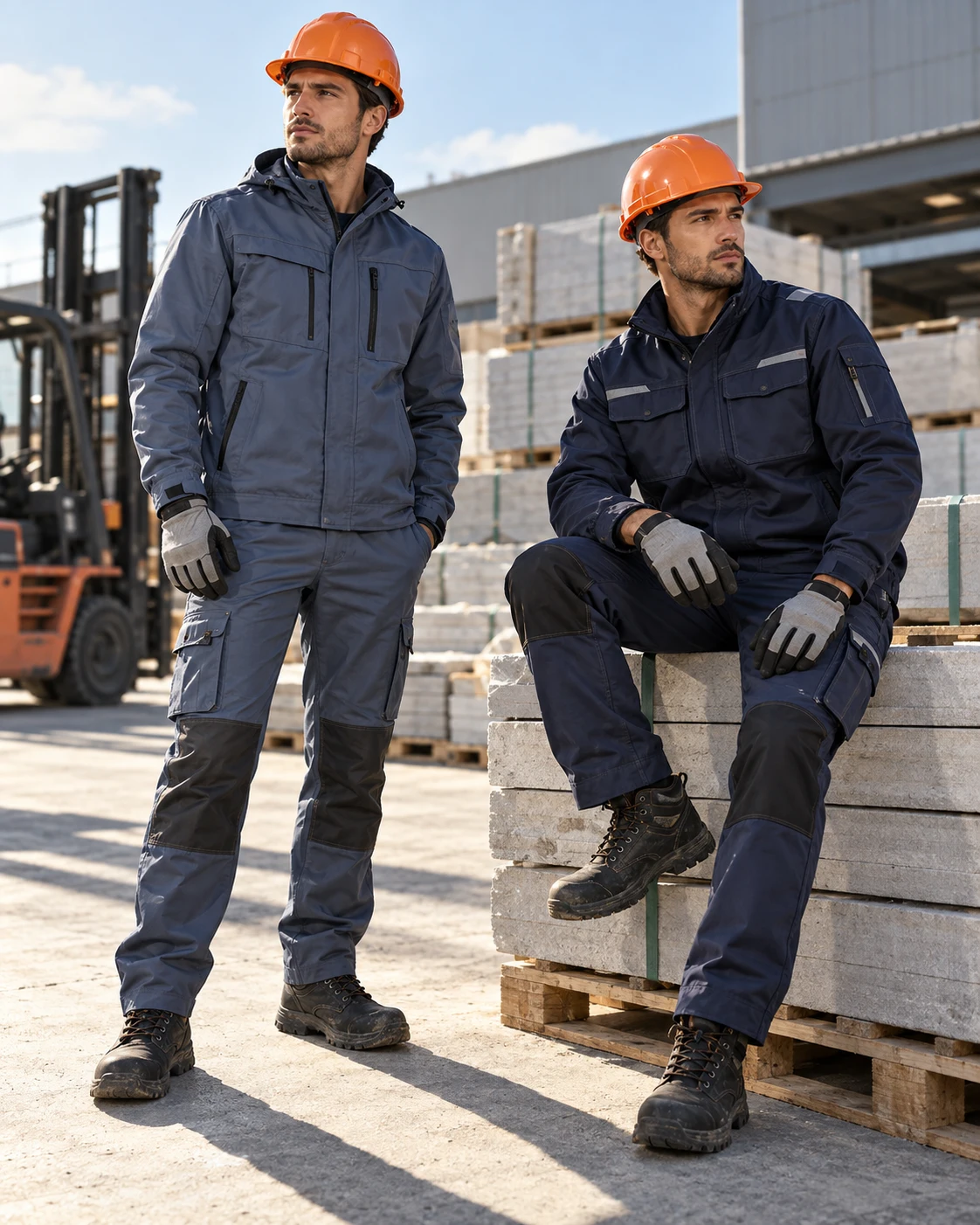
For protective clothing, connect DGUV alignment with the workplace assessment, the product specification and the way the garment will be maintained. Start that discussion before comparing prices, so the shortlist reflects the work your team actually performs.
Overview of the German Workwear Industry
Germany is the EU’s largest workwear import market. CBI’s September 2026 publication, using 2024 trade data, puts German workwear imports at €793 million and approximately 27 million garments, compared with €651 million in 2019. Import value grew by an average of 4.0% a year over that period. These are import figures, rather than total domestic retail sales. CBI market data ↗
Segmentation
Men’s workwear represented €684 million, or 86.2% of German import value in 2024; women’s workwear accounted for €109 million. CBI reports average import prices of €30.60 and €23.51 per item respectively. These averages reflect different product mixes and are not quotations for an equivalent garment.
Trends and innovations
Supplies from low- and middle-income countries represented 58.7% of German workwear imports in this segment. Buyers therefore have a substantial choice of sourcing routes. Product-level environmental information, fit for different wearers and garments suited to repeat laundering are useful ways to compare those routes.
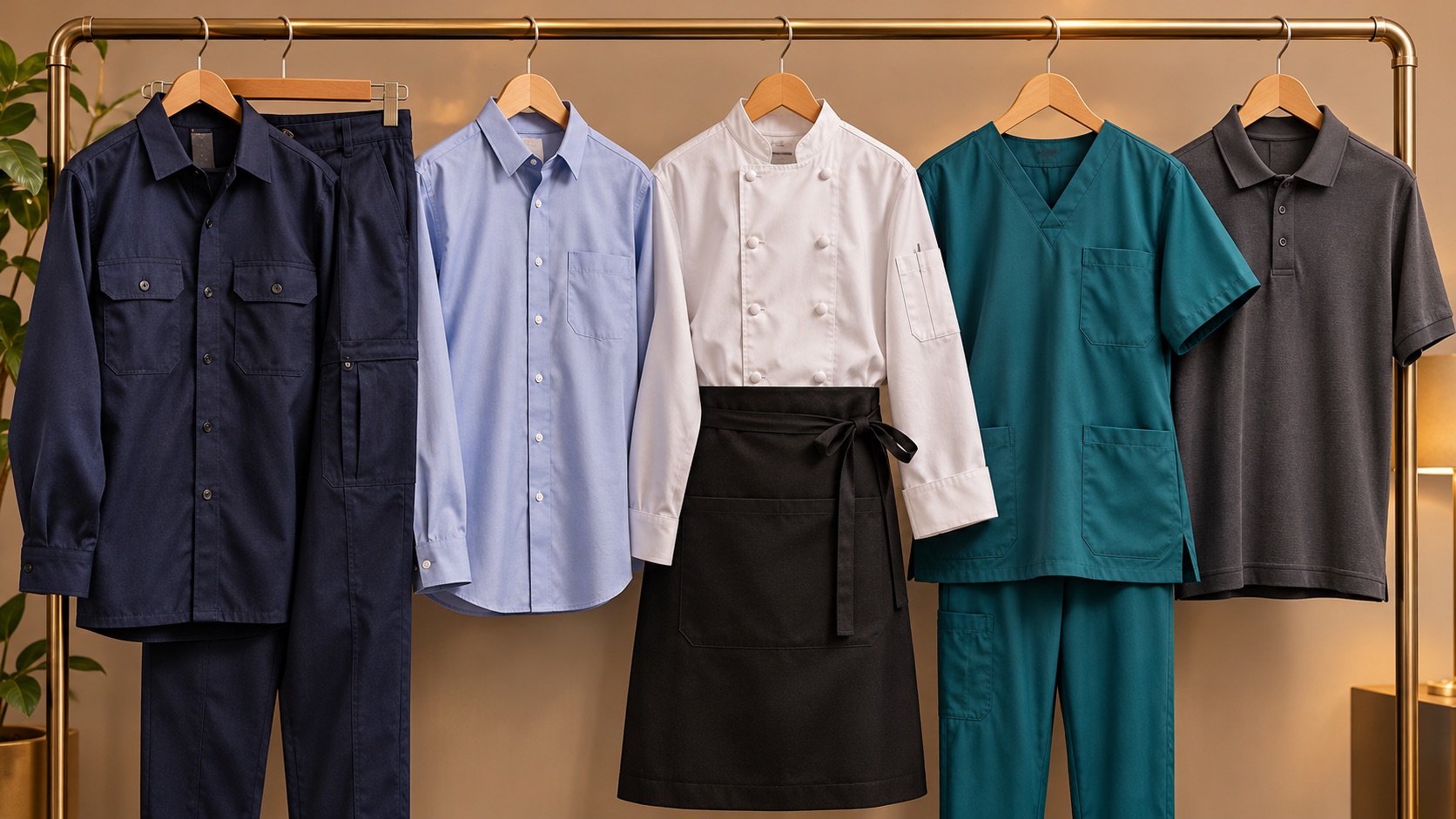
For a practical collection, connect industrial uniforms, high-visibility garments and branded layers through shared colors and a retained size specification. A uniform image should support the tasks each wearer performs.
Best 10 Workwear Companies in Germany: At a Glance
Use the comparison to identify a buying route, then review the individual supplier before requesting a quote. This is an editorial shortlist, rather than a ranking by revenue or an independent product test.
| Company | Base / history | Specialization | Buying focus |
|---|---|---|---|
| BBF24 Workwear | Dortmund · founded 1998 | Workwear, PPE and company branding | Mixed-role teams |
| GARANT Industrieservice GmbH | Iserlohn | Branded trade workwear and managed services | Rental, laundry and branding |
| EXCESS WORKWEAR GmbH | Mülheim an der Ruhr | Ergonomic, contemporary workwear | Modern trade collections |
| Burgia Sauerland | Germany · direct workwear assortment | Work trousers, outerwear, footwear and occupational clothing | Broad occupational assortment |
| Coenen Neuss | Neuss | Workplace safety and industrial procurement | Industrial purchasing accounts |
| Langer GmbH / Langer Cologne | Hürth · textile business since 1992 | Corporate wear, workwear and uniform projects | Coordinated uniform projects |
| AS Arbeitsschutz GmbH | PPE and workwear since 1986 | PPE sourcing, footwear and textile finishing | PPE and product information |
| Jungfleisch GmbH | Founded 1919 · WERO subsidiary since 2020 | Specialist work gloves and tailored hand protection | Specialist glove development |
| MAKA Industrie-Service GmbH | Family business since 1989 | Industrial distribution with workwear and PPE categories | Consolidated industrial supply |
| Fristads | Swedish-origin brand · founded 1925 | Technical workwear and environmental product information | Environmental product data |
Top 10 Workwear Companies in Germany
Look for a supplier whose product strengths match your workforce, with a workable route from sample approval to replenishment.
1. BBF24 Workwear
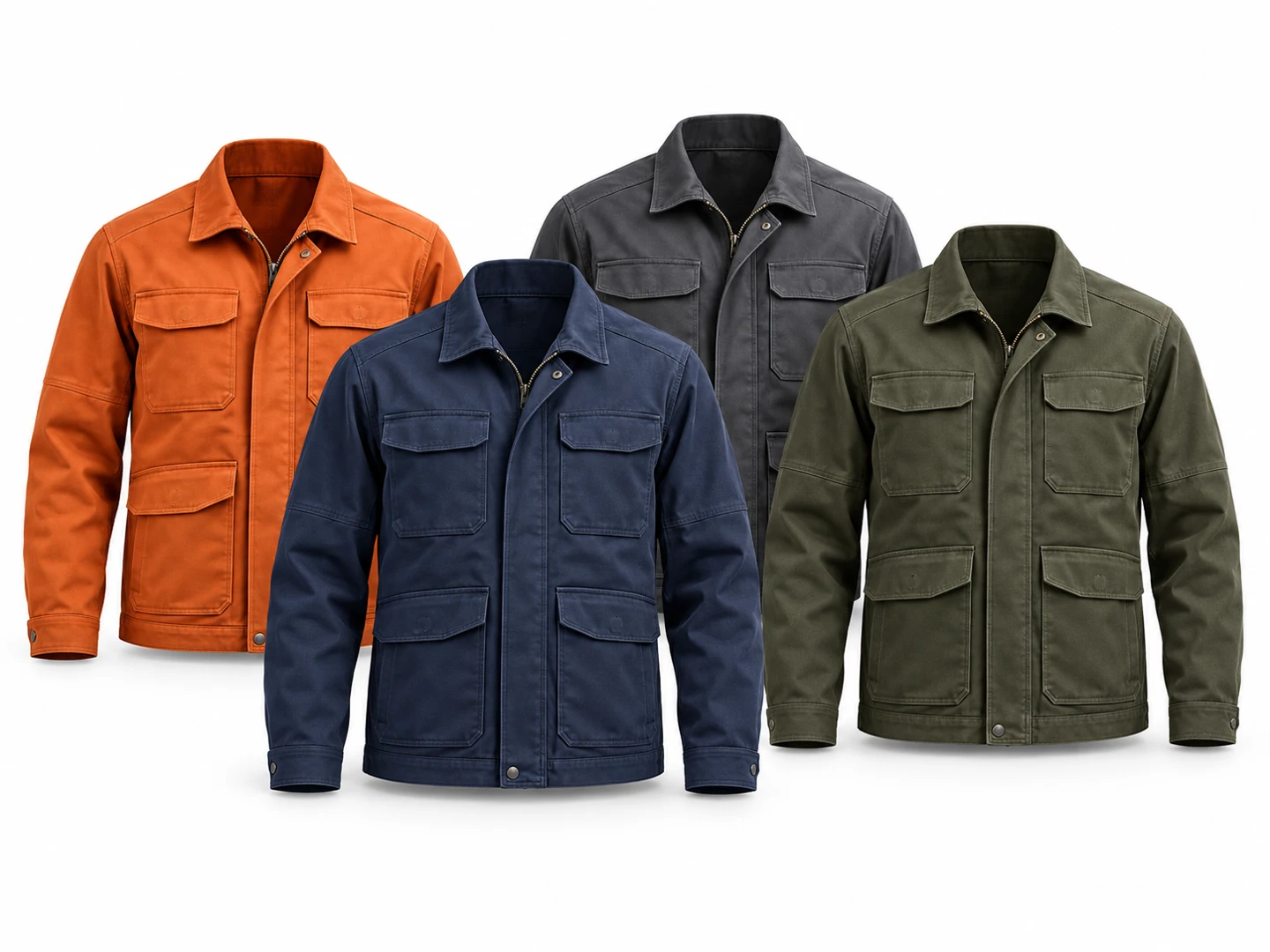
BBF24 is a useful starting point when one order needs to cover several trades. Björn Fricke established the Dortmund business in 1998 at age 21. Its official company profile describes workwear, protective clothing and industrial supplies, with logo finishing and customer-specific clothing among its services. Official company information ↗
Why it makes the shortlist
A combined clothing and PPE assortment helps purchasing teams coordinate work trousers, jackets and associated equipment. The company also describes specialist supplies for asbestos-removal work. This breadth makes the supplier relevant to contractors with several job types, while each protective item still needs to match its intended task.
Customization and ordering
BBF24 offers volume-price tiers and company-logo finishing. Ask for a quote against a fixed size breakdown and artwork file so the garment, decoration and packing are priced together. Its stock-based dispatch model can support replenishment; reserve the exact size and color before committing a rollout date.
Best-fit buying brief
Choose this route for a mixed-role team needing available garments and a recognizable company appearance. For a proprietary pattern or unusual fabric, establish which items can be made specifically for you and which are decorated stock styles. A signed sample gives both sides a clear reference for repeat orders.
2. GARANT Industrieservice GmbH
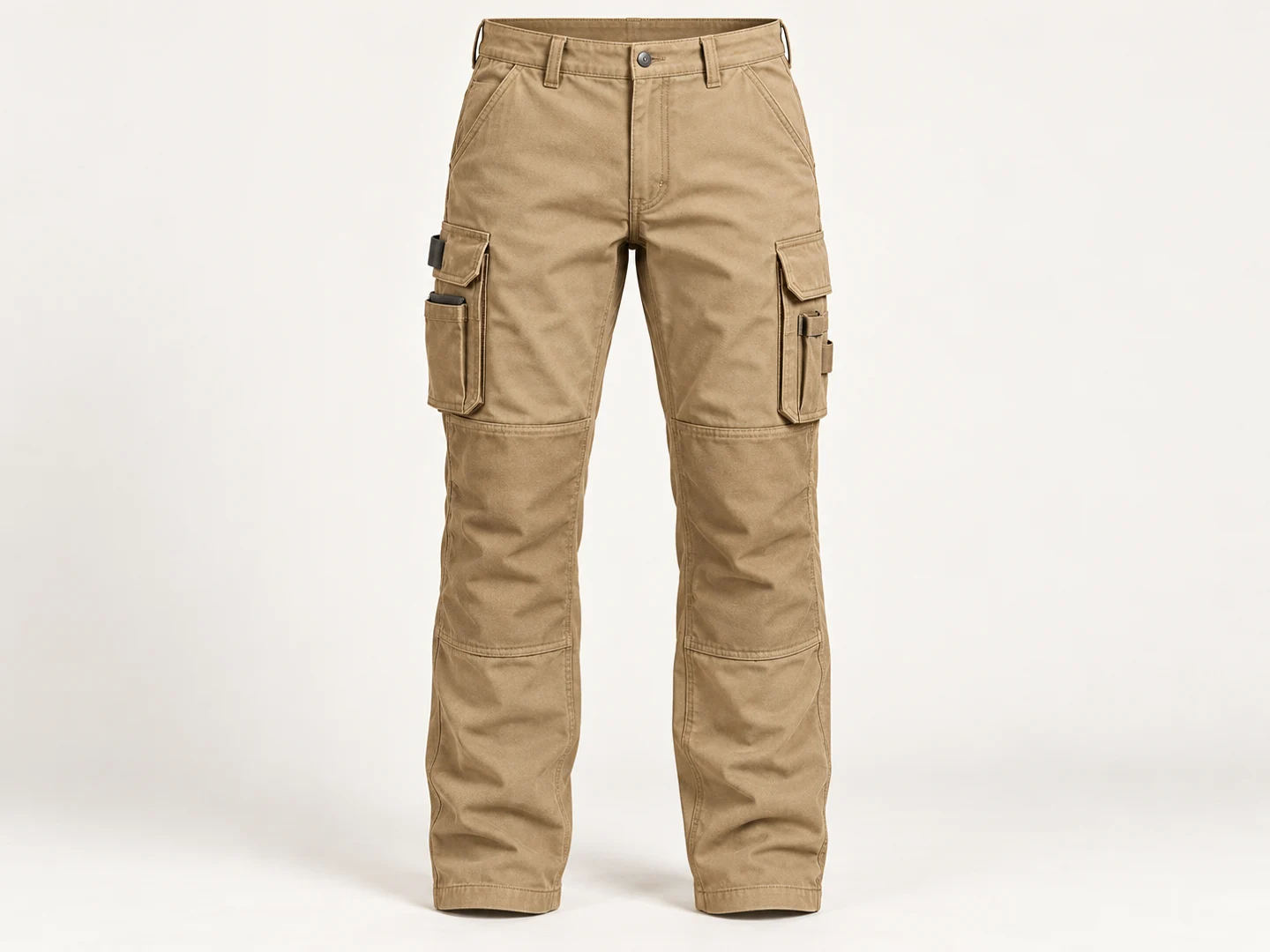
GARANT connects work clothing with local industrial purchasing and ongoing garment services. Its current range highlights FHB work trousers, jackets and traditional trade clothing. The service offer combines company branding, rental or leasing, and professional laundry—an attractive mix for employers that want clothing supply and maintenance discussed together. Official company information ↗
Products with a service behind them
A construction or maintenance team needs more than a matching jacket. GARANT’s range gives buyers a starting point for role-specific clothing and footwear, supported by advice from its Iserlohn operation. Build a wearer list that separates indoor work, outdoor work and any protective requirements before selecting the assortment.
Rental, cleaning and replacements
The published service model includes garment rental or leasing and cleaning with recurring pickup and delivery. This can reduce the administration of issuing and replacing work clothing. Compare the garment allocation, size exchanges, repair arrangements and replacement charges across proposals before choosing the service package.
Branding and delivery planning
Logos can be supplied or prepared through the branding service. The homepage advertises dispatch within 48 hours; treat that as a claim to confirm for the quoted stock items, rather than a production promise for decorated orders. Agree the artwork approval date and first-delivery schedule together.
Before signing a managed-laundry agreement, request EN ISO 15797 compliance data for the selected garment. Record the washing and drying procedure, number of cycles and measured results. ISO 15797:2017 offers eight washing procedures and two drying procedures; select those appropriate to the product and use, rather than assuming all of them must be performed.
3. EXCESS WORKWEAR GmbH
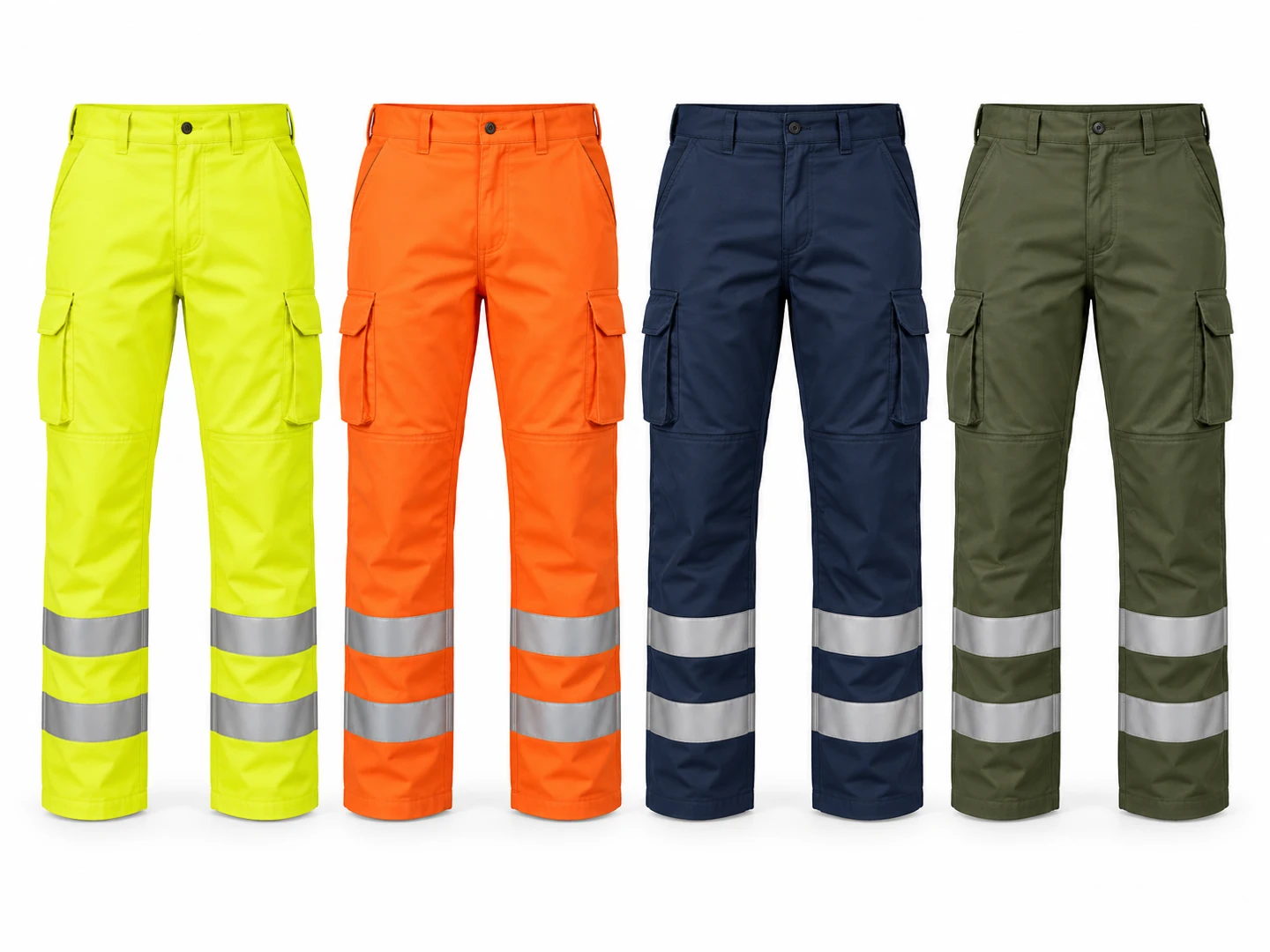
EXCESS WORKWEAR brings a sporty design language to professional clothing. The company reports almost three decades of textile experience, developing from contract sewing for established brands into its own workwear development and production. Its published priorities are functionality, ergonomics and contemporary styling. Official company information ↗
A stronger everyday team image
This is a relevant option when the workwear must look coordinated without feeling like formal corporate clothing. Evaluate the collection as a complete outfit: trouser movement, jacket reach, pocket accessibility and the way layers work together. A garment that staff find comfortable is easier to keep in regular use.
Social-audit information
EXCESS says BSCI social-audit reports for its production sites can be viewed on request. Ask which site makes the selected style and whether the available report covers that location. Social auditing concerns workplace conditions; assess fabric durability and any protective performance through separate product information.
Where it fits a shortlist
Consider the brand for trades and service teams seeking a practical, modern appearance. Approve a wearer size set and a decoration sample before an all-staff order. Retaining style codes and logo placement measurements makes new-starter orders easier to match to the initial delivery.
4. Burgia Sauerland
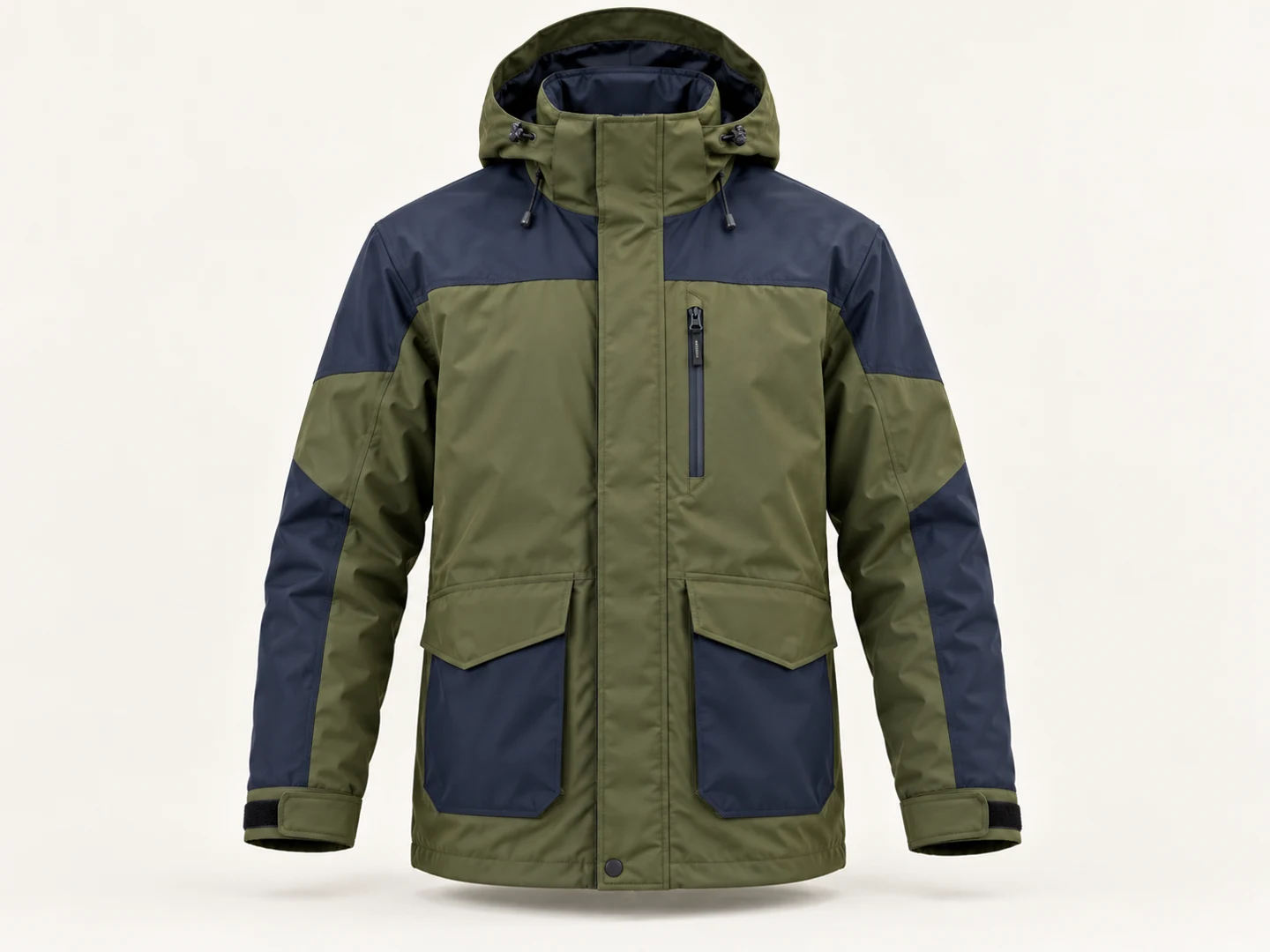
Burgia Sauerland gives buyers a broad direct-shopping route for workwear and related safety products. Its published assortment spans work trousers, bib overalls, jackets, chefwear, healthcare clothing and safety footwear, with flame-retardant and chainsaw-protection categories also available. Official company information ↗
Outfit different roles from one range
A company with workshop, logistics and customer-facing staff can start with the relevant occupational categories rather than forcing everyone into one outfit. The catalog also includes special-size options. Confirm the measurements for each selected style, because the same nominal size can fit differently across garment families.
Construction details that matter
For trousers, compare reinforcement placement, seams, pocket layout and ease of movement during kneeling or climbing. These are purchasing criteria to inspect on the sample, rather than assumed features of every item in the range. Record the actual fabric composition and weight on your approved specification.
A practical repeat-order route
Keep a core list of approved product numbers, sizes and colors. This lets a supervisor replace a damaged item without reopening the whole selection process. Where protection is required, use the product documentation and intended-use information for that item before deciding it belongs in the program.
For a protective garment, review the general requirements covered by EN ISO 13688 alongside the relevant hazard-specific standard. Its scope includes ergonomics, sizing, ageing, compatibility, marking and manufacturer information; it does not establish a particular protective performance on its own.
5. Coenen Neuss
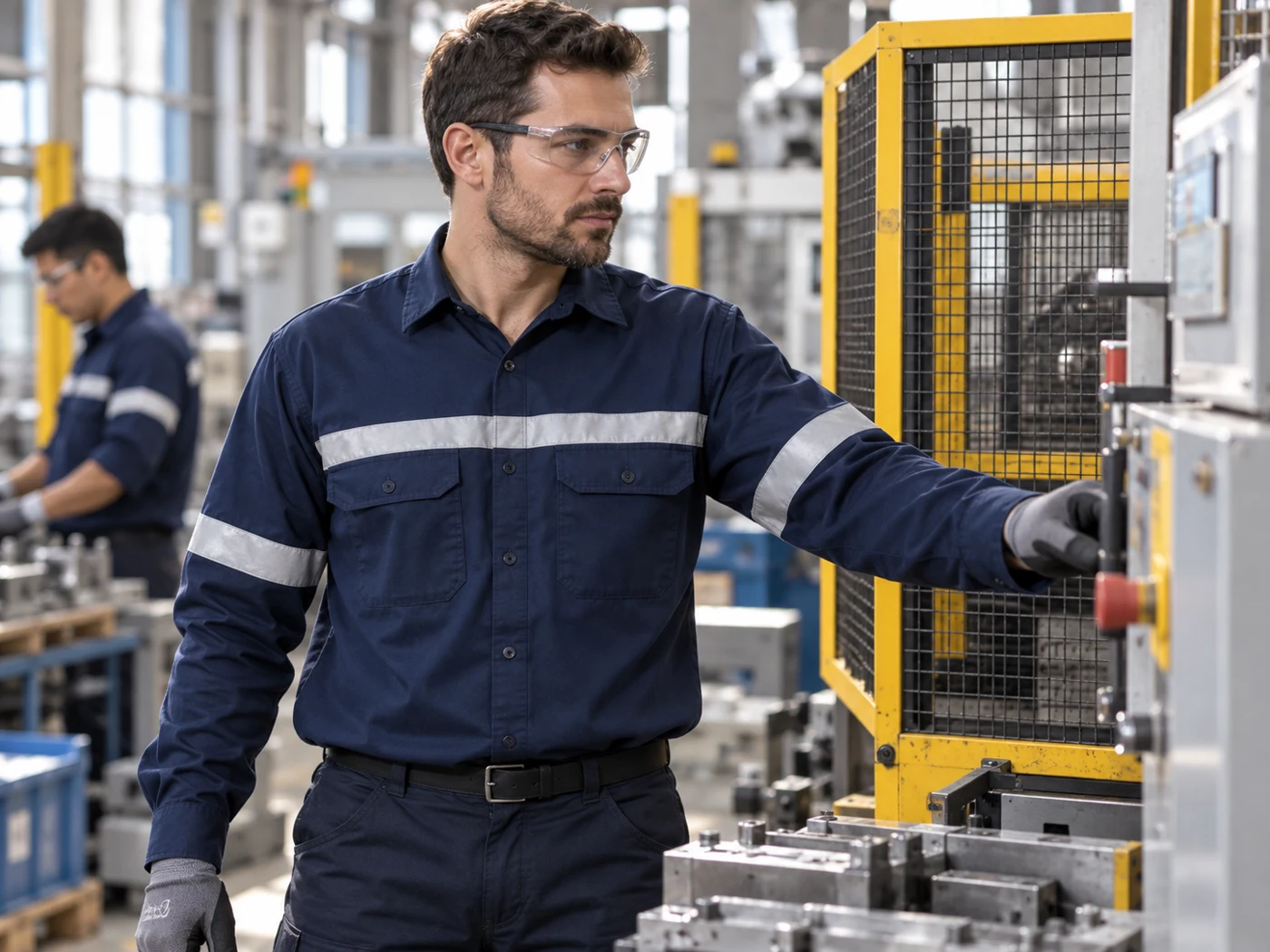
Coenen combines workplace-safety products with industrial technology and workplace equipment from its Neuss base. Its company information emphasizes application-specific solutions developed with advisers and engineers. The buying advantage is the connection between the clothing requirement and the wider working environment. Official company information ↗
A broader view of the workplace
A warehouse or production team may need apparel, safety equipment and operational supplies under one purchasing arrangement. Coenen’s cross-category offer makes it relevant to that brief. Start with the actual task and exposure, then identify the products needed for each role.
Use the advisory capability
Bring photographs of the job setup, a role list and the current garment problems to the discussion. Ask the supplier to explain its proposed materials and construction in relation to that use. A clear comparison between the current and proposed outfit helps the buyer evaluate the recommendation.
Keep the program consistent
Agree an approved assortment and a process for substitutions. Purchasing from one distributor is most useful when replacement products stay tied to the original specification. Include wearer feedback, reorder references and stock visibility in the account setup for a multi-site operation.
6. Langer GmbH / Langer Cologne
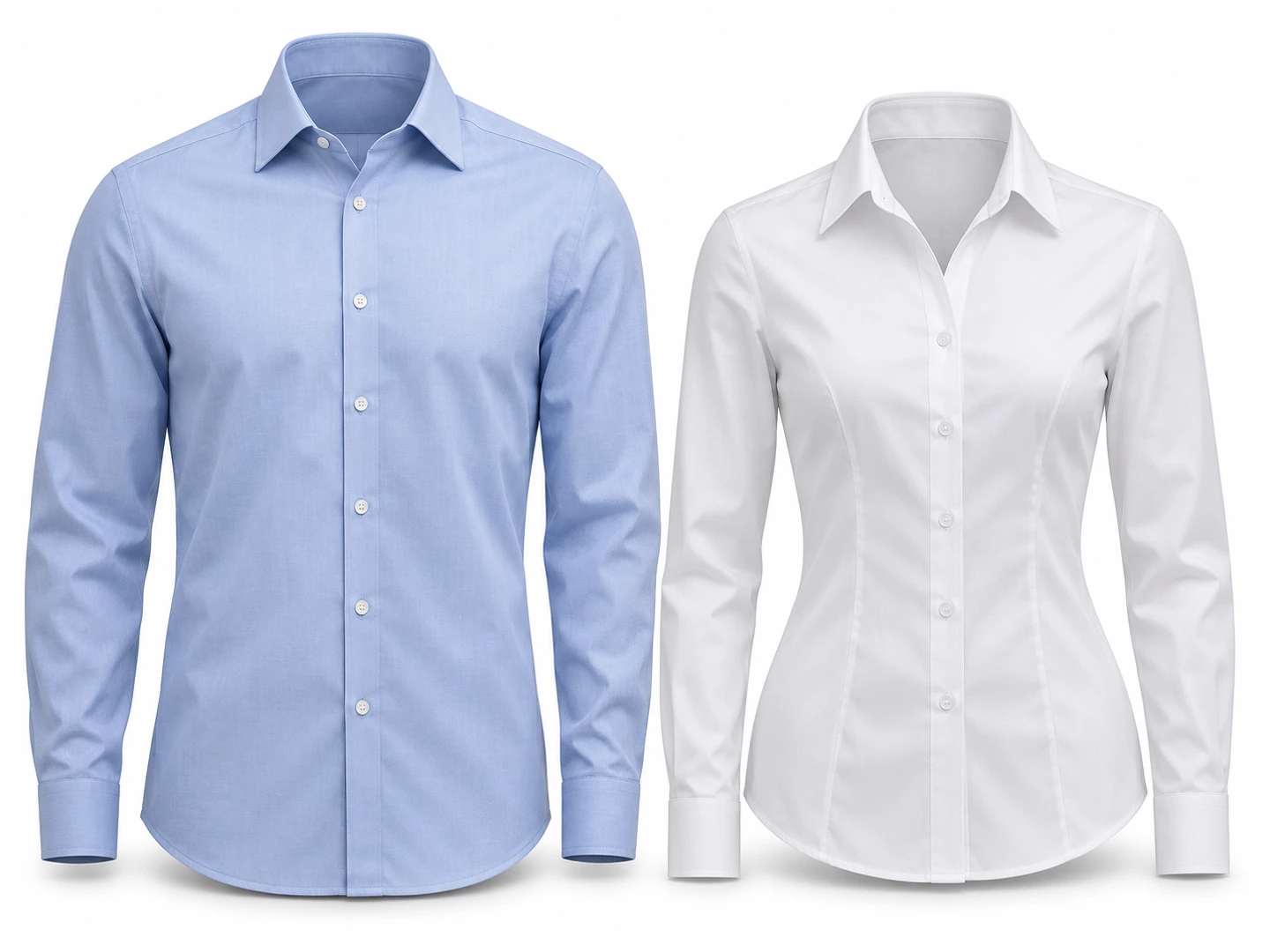
Langer Cologne is a relevant choice for a uniform program with a strong visual identity. Its company site traces the business to 1992 and describes a production network across 10 countries. It also presents a police-uniform project covering 15,000 personnel, alongside workwear and corporate clothing services. Official company information ↗
From collection planning to a finished uniform
Workwear, corporate wear, uniform wear and sportswear appear within Langer’s offer. That breadth is useful when one employer needs coordinated clothing for different functions. Develop a color palette and garment hierarchy that connects office, service and operational roles while respecting their different working conditions.
Decoration as part of the design
The company lists printing, transfer and embroidery services. Select the process around the fabric and the intended finish, then approve a physical logo sample. For protective clothing, confirm that the finished configuration remains within the relevant product specification before adding decoration.
A useful option for larger programs
The published project scale and international sourcing network make Langer worth considering for structured uniform development. Put production origin, size-set approval, repeat-order continuity and delivery locations into the RFQ. Those details turn a brand concept into an executable clothing program.
When defining a protective uniform, use the European Commission’s PPE guidelines to structure the compliance discussion. If OEKO-TEX® STANDARD 100 is specified for the textile, request the applicable certificate and article scope. That label addresses harmful-substance testing; it does not replace evidence of the garment’s protective performance.
7. AS Arbeitsschutz GmbH
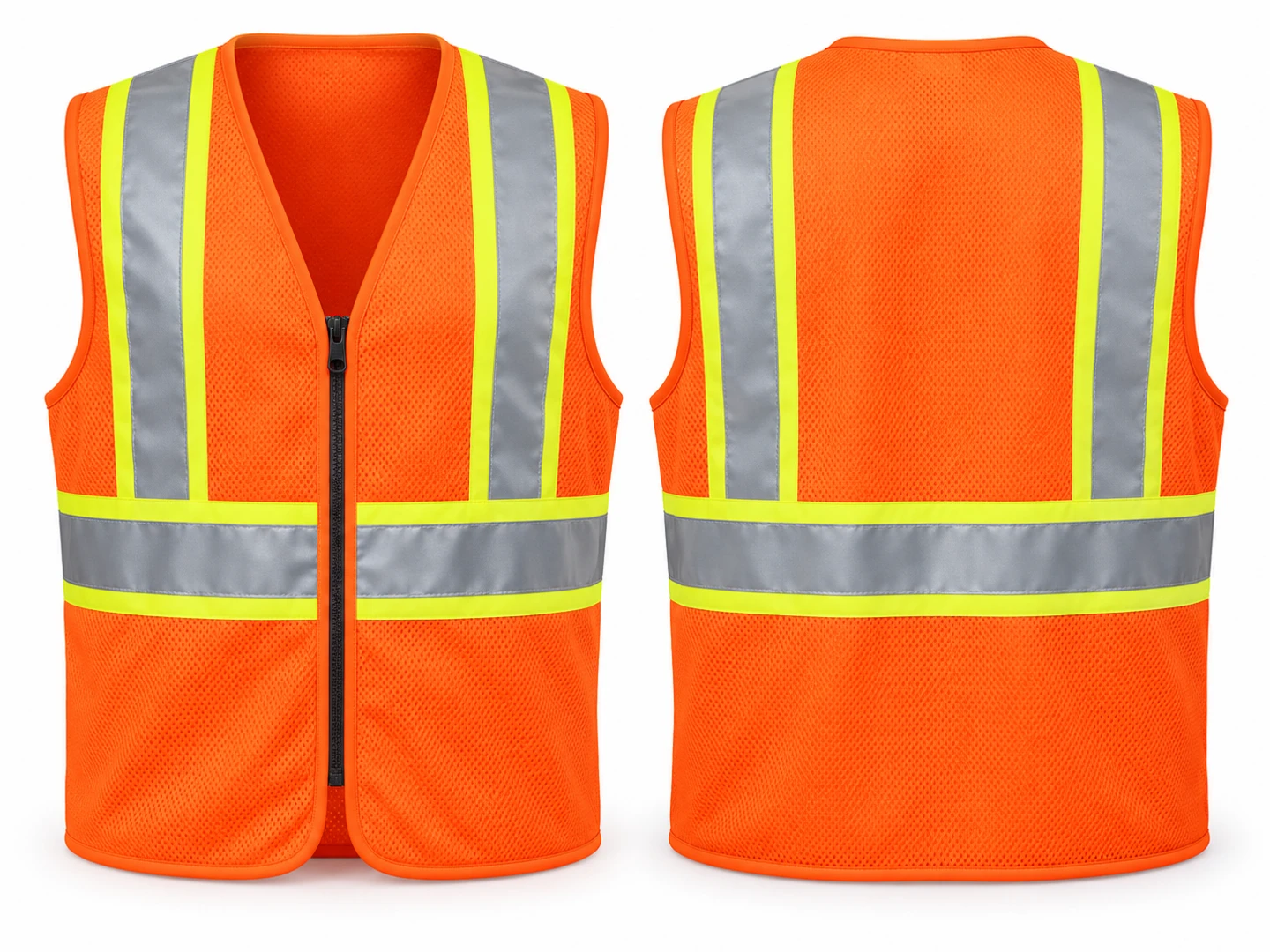
AS Arbeitsschutz dates its PPE and workwear business to 1986. Its current website connects occupational and safety footwear with training, consulting, textile finishing and private-label services. It also provides routes to product data sheets, declarations of conformity and standards information. Official company information ↗
Put documentation beside the product
The document resources are valuable when the purchasing team needs to match a precise model to its stated performance. Keep the garment or footwear identifier on the quote, order and technical file. The supplier’s overall expertise is useful, but the chosen item and intended application still determine suitability.
Use finishing and private-label support
Ask how the offered textile-finishing or private-label service applies to the exact product family in your brief. Confirm the available decoration area, label content and minimum quantities before designing the rollout. For workwear that is PPE, have any change reviewed against the approved protective configuration.
Best-fit sourcing situation
Consider AS when footwear, PPE information and branded clothing need coordinated support. An approved product list helps purchasing avoid swapping a carefully selected protective item for a visually similar replacement. Arrange a wearer trial before placing a full-size order.
Ask for model-specific CE documentation before approving PPE. For high-visibility clothing, check the claimed EN ISO 20471 performance and the final material layout. The standard covers color, retroreflection and minimum material areas and placement, making the exact garment and decoration configuration important.
8. Jungfleisch GmbH
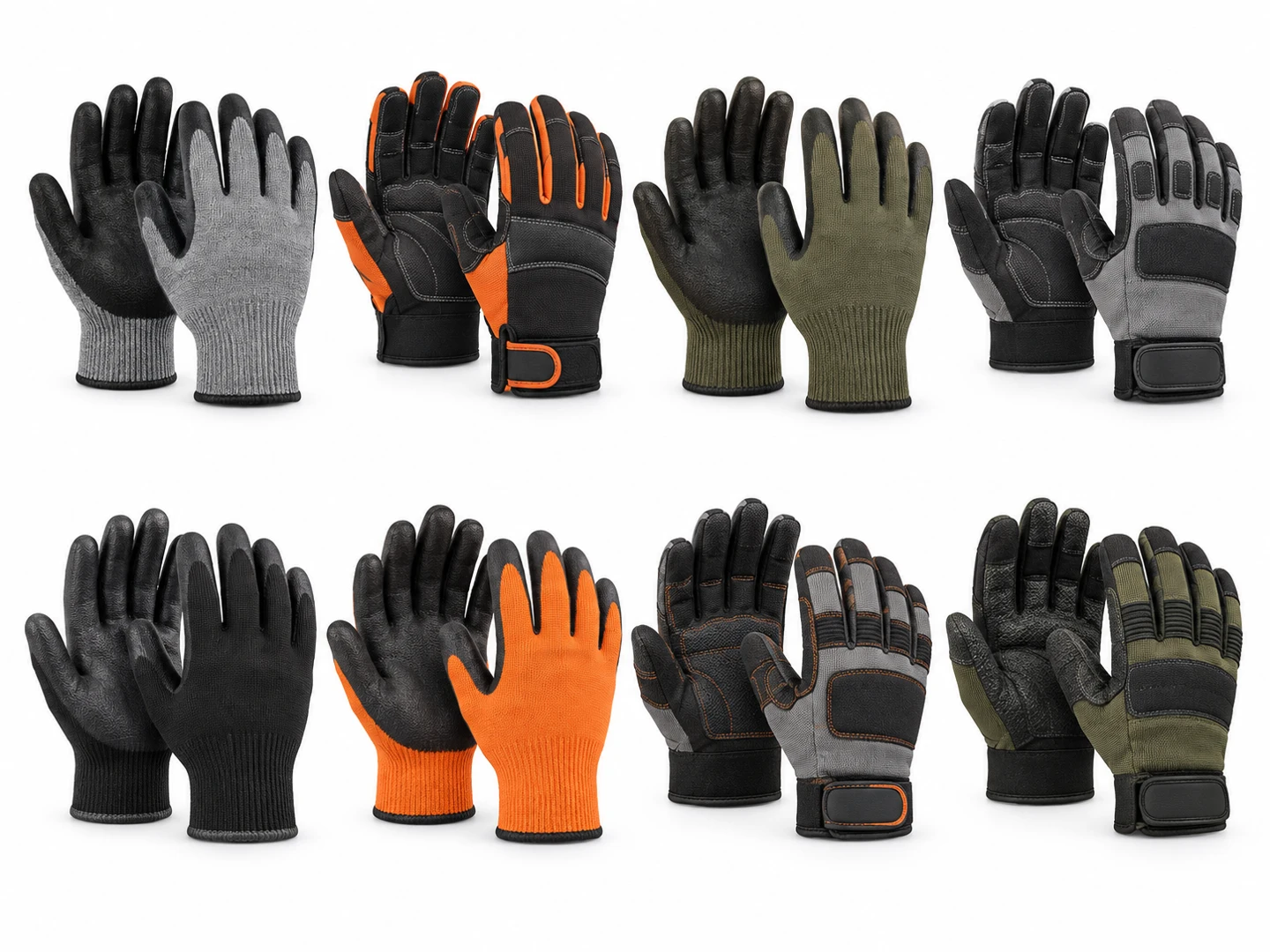
Jungfleisch deserves a specialist place in the list: its current focus is hand protection. Established in 1919, it became an independent WERO subsidiary in August 2020. Its official offer includes gloves developed around particular processes and individually adapted solutions. Official company information ↗
Solve the hand-protection problem precisely
Different jobs can require different grip, dexterity and protection. Jungfleisch describes working from problem analysis to an individual glove solution. That makes it relevant when a standard catalog glove fails to suit a process, rather than as a default source for an entire jacket-and-trouser collection.
Custom development and branding
The company also describes branded gloves for a customer’s assortment. Bring the application, contact surfaces, wear pattern and wearer feedback to the development discussion. Ask for sample evaluation against the intended task, with documented acceptance criteria before a repeat supply program begins.
Fit within a complete workwear program
Use a glove specialist alongside your main garment supplier where the risk assessment calls for it. Keep glove identification, sizing and replacement guidance in the same issue record as the rest of the wearer’s kit. This preserves coordinated purchasing without treating all PPE categories as interchangeable.
9. MAKA Industrie-Service GmbH
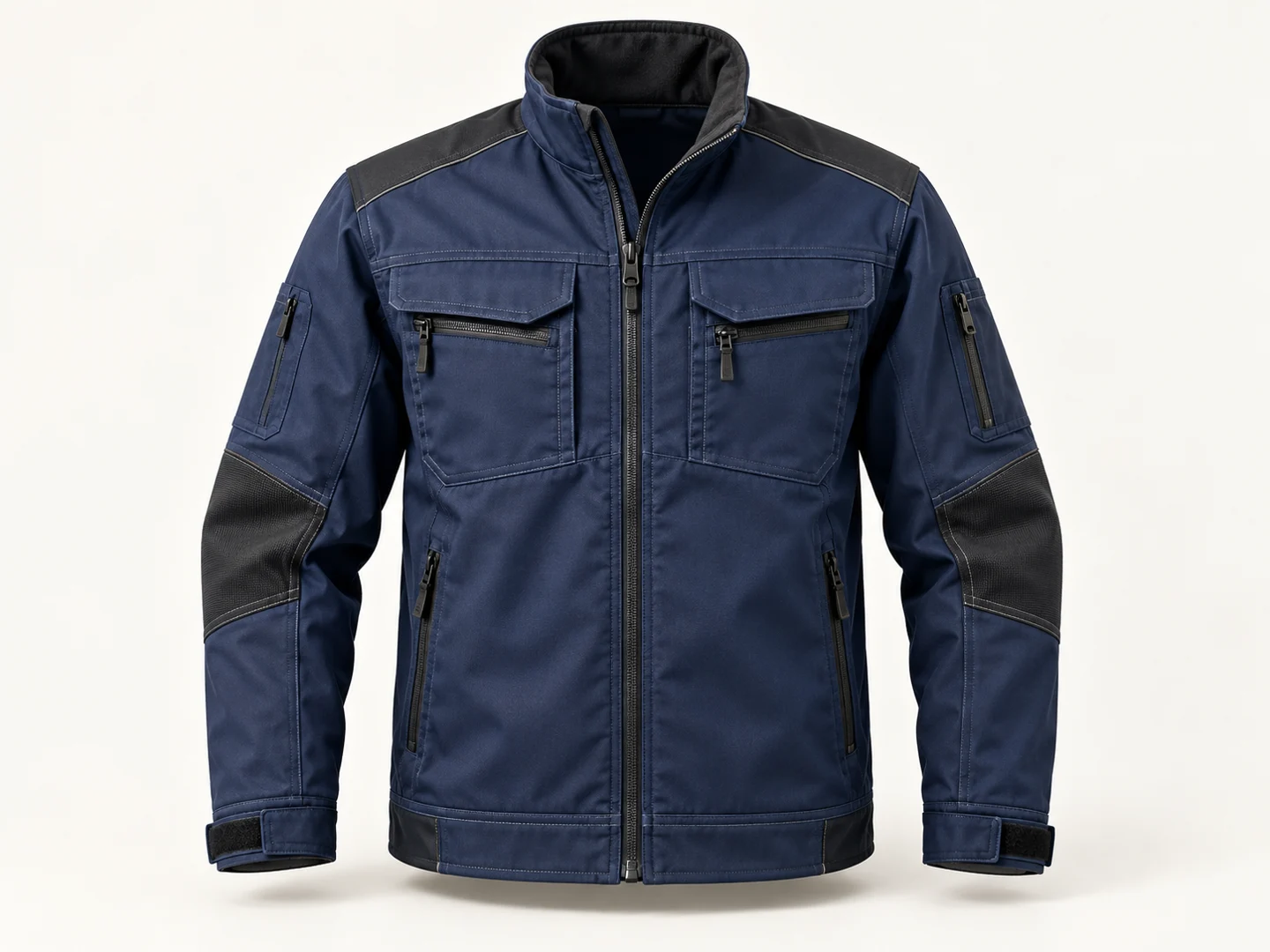
MAKA is an industrial distribution partner with workwear and occupational safety among its categories. Its official site states more than 350,000 stock articles across the wider industrial assortment and a business history beginning in 1989. That figure covers industrial supplies, rather than a count of workwear styles. Official company information ↗
Consolidate routine industrial purchasing
Tools, production supplies and safety products can sit alongside clothing on an industrial purchasing list. MAKA also describes C-parts management and consignment-stock services. This makes it a potential fit for buyers seeking fewer supplier relationships and a more organized replenishment process.
Check the clothing offer at item level
Ask which workwear brands, size ranges and protective products are available for your team. Keep the garment specification separate from specifications for tools or machine components. Engineering tolerances from industrial equipment are not evidence of apparel fit or textile performance.
Best-fit account setup
Consider this route when operational continuity and inventory arrangements matter as much as the initial clothing purchase. Agree the approved catalog, minimum stock and replacement process in writing. Confirm dispatch for the requested items and distinguish stocked products from any special-order or decorated clothing.
For finished-garment inspection, agree any AQL 2.5 quality limits as part of the sampling plan: identify defect categories, lot size, inspection level and acceptance/rejection criteria. ISO 2859-1:2026 provides AQL-indexed sampling schemes. AQL 2.5 is a plan parameter, not a fabric-performance rating or a promise that every delivery contains no more than 2.5% defective items.
10. Fristads
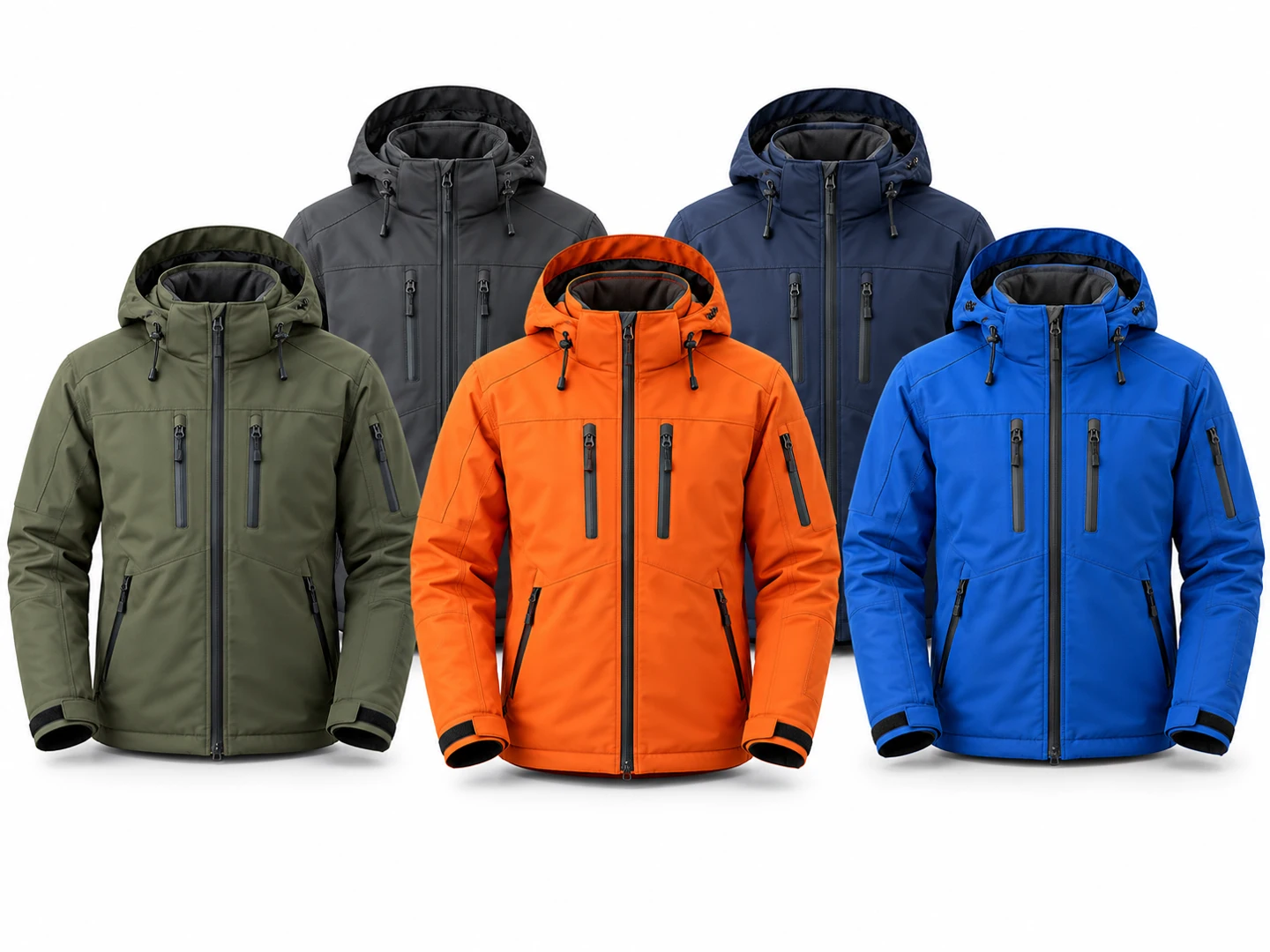
Fristads offers an established international workwear option for buyers sourcing in Germany. The brand began manufacturing in Sweden in 1925. In 2019 it introduced environmentally declared workwear using Environmental Product Declarations, bringing product-level environmental information into the clothing comparison. Official company information ↗
Compare garments with measurable information
An EPD helps a buyer examine the reported environmental impact of a specific garment. Match the declaration to the product and declared scope, and use comparable assumptions when reviewing alternatives. It supports an evidence-based sustainability discussion alongside price, fit and service life.
Build around the job and the wearer
The current workwear range covers different professional environments, including construction and high-visibility applications. Select the relevant product family and then inspect fit, movement, pocket layout and layering. Confirm protective claims for the exact style; they do not apply automatically to the whole brand.
When the premium is worth considering
A well-documented range can justify a closer look when purchasing decisions include wearer acceptance and environmental reporting. Compare the quoted garment’s performance, care requirements and replacement costs over the intended use period. The strongest choice is the program that meets your specification consistently, not simply the lowest unit price.
How to Audit and Source German Workwear Before the RFQ?
Turn the shortlist into a purchasing decision by sending each supplier the same brief. A comparable quote needs the same garment specification, size quantities, decoration and delivery assumptions.
1. Start with the task and protective purpose
Separate everyday branded clothing from garments intended to protect against an identified risk. For PPE, use the workplace assessment and the product’s intended use to define the requirement. DGUV’s protective-clothing guidance is a useful starting resource. Have the responsible safety specialist set the applicable protection requirements.
2. Match the technical file to the garment
Under the EU PPE framework, the manufacturer’s technical documentation, conformity assessment and EU declaration relate to the relevant product. Ask for identifiers that connect the quoted style, labels and instructions to those documents. Decoration or material changes should be reviewed before approving the final configuration. Regulation (EU) 2016/425
3. Test the things that drive replacement cost
Record fabric composition and weight in g/m², measurements, seam construction, trim quality and the care route. Evaluate the approved sample after the agreed laundering procedure. EN ISO 15797 describes industrial washing and finishing procedures used to assess properties such as dimensional stability, color and appearance; state the chosen procedure, cycles and acceptance criteria.
4. Review visibility and branding together
For relevant high-visibility applications, the ISO 20471 framework addresses color, retroreflection and material areas and placement. Keep the logo size and position within the final garment’s approved specification. An attractive embroidery or printed logo must be planned alongside the garment’s function.
5. Compare the complete program cost
Include sampling, decoration, freight, import arrangements where relevant, stock, laundry, repairs and replacement garments. A stock supplier may make urgent replenishment easier; custom cut-and-sew production can give a planned collection more control over its construction. Define the required service before choosing the commercial route.
For rain-exposed work, include EN 343 waterproof testing in the technical review. SATRA’s explanation of EN 343:2019 describes four water-penetration resistance classes, with Class 4 the highest. Review the relevant test classification, material pretreatment and seam construction rather than relying on a general waterproof description.
People Also Ask About Workwear Companies in Germany
What is the difference between CE marking and DGUV guidance?
For PPE placed on the EU market, CE marking follows the applicable conformity-assessment process under Regulation (EU) 2016/425. DGUV guidance helps employers select and use protection for the workplace. A reference to DGUV is not a substitute for the model-specific EU declaration of conformity or other documents required for the product.
Is EN ISO 15797 a certification or a wash-durability test method?
ISO 15797 defines industrial washing and finishing procedures used to evaluate workwear. It does not by itself certify every performance claim of a finished garment. Specify the procedure, number of cycles and acceptance limits for the properties you need to assess. Compatibility with the actual laundry process may also need a practical trial.
What documents should I request for protective workwear supplied to Germany?
Request the exact product identifier, EU declaration of conformity, instructions and relevant conformity-assessment evidence for the PPE category. Check the intended protection, limitations and care information against the job. Keep the final decorated garment configuration connected to those documents. See the linked EU regulation and DGUV resources for the framework.
When does a German supplier outperform overseas custom manufacturing?
German stock and service partners can be attractive for local fitting, available styles and recurring support. Overseas custom production can suit a planned program needing a proprietary pattern, fabric or brand finish. Compare equivalent specifications and include freight, import arrangements, inventory and replacement costs; supplier location alone does not determine value.
How can I source custom industrial uniforms with flexible order planning?
Send Washedloom the role list, garment drawings, fabric needs, size quantities and artwork. Our team can review the development and production brief, including product-specific testing needs. Minimum quantities, sample timing and delivery terms are quoted for the actual order rather than promised as one universal figure.
Build a Workwear Program Your Team Can Rely On
The strongest shortlist connects supplier capability with your actual workforce. Use German stock and service partners for the local support your program needs, specialists for demanding product categories, and a custom manufacturer where the garment itself needs development.
Washedloom develops workwear, work shirts and corporate uniforms from a defined brief. Bring the fabric, fit, artwork and packing requirements into the conversation early so the approved sample can guide the whole order.
Need Workwear Developed Around Your Specification?
Our Hangzhou team works from a 15,000 m² Manufacturing Facility with 130 Employees, 10 Production Lines and 500,000 Pieces Annual Production Capacity. Discuss garment development, private labeling and branded packaging as one connected project.
Discuss Your Workwear Project →
Sources & Editorial Guidelines
Supplier facts are linked to official company information, market figures retain their 2024 trade-data scope, and sourcing recommendations are editorial judgments. This guide distinguishes workwear brands, distributors and glove specialists. It does not claim personal factory audits or laboratory testing. Washedloom’s factory figures use the same confirmed information as our About page. Washedloom manufactures in China and offers the custom-production service linked in this article.
Company histories and numerical capabilities are supplier-specific; they are not Washedloom performance claims. Contact our team to discuss your project or flag an item that needs updating.